In a controversial move, Georgia lawmakers are deliberating on legislation that would authorize the collection of DNA samples from immigrants charged with minor misdemeanors. This proposal, which is poised to make Georgia the third state to implement such a policy, comes amidst a broader trend of increasing DNA collection practices in the United States, particularly targeting immigrant populations.
The bill stipulates that DNA would be collected from immigrants if federal immigration officials request their detention, potentially leading to increased surveillance and data collection on individuals who may not face deportation.
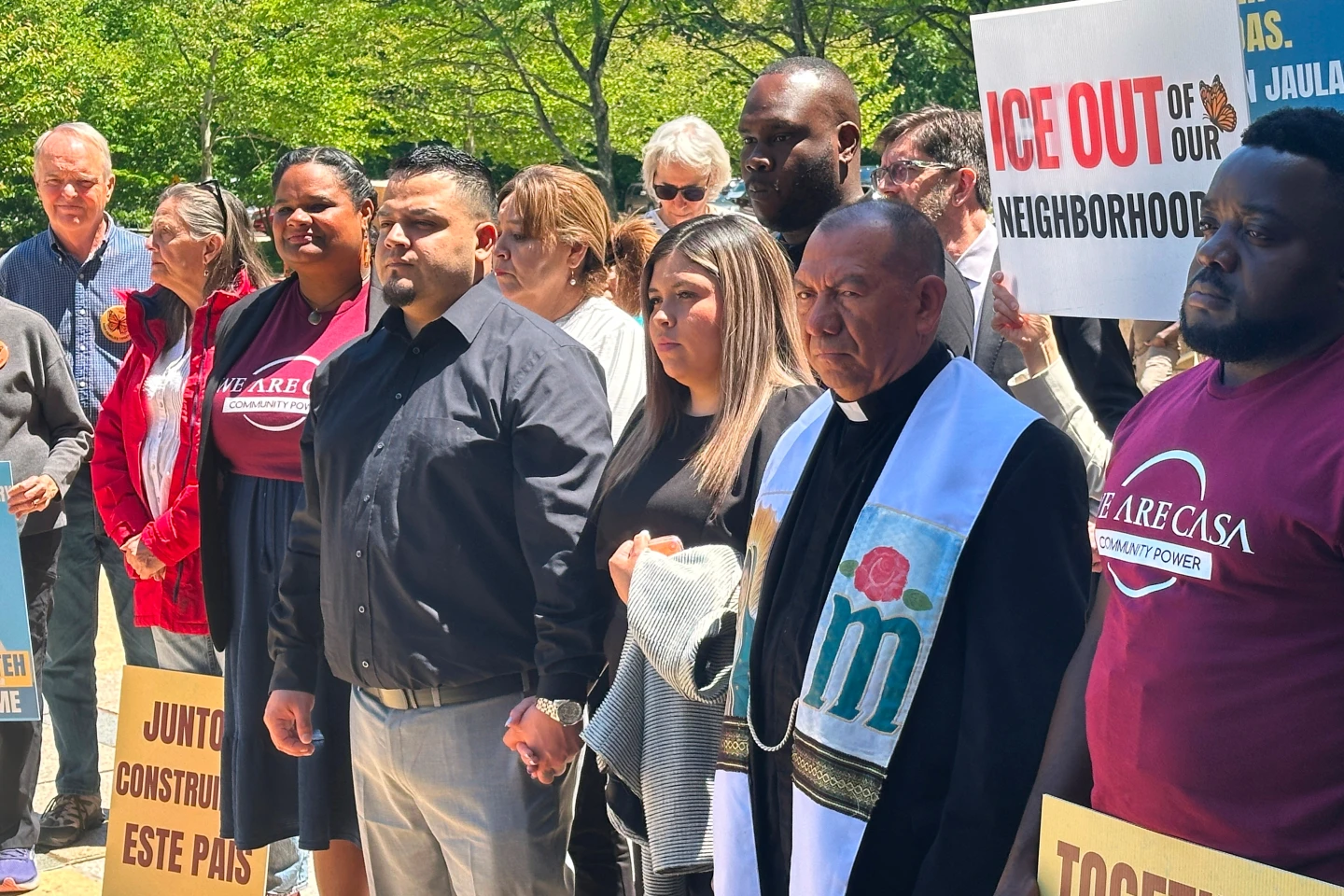
Legal experts and civil rights advocates have raised alarm bells, questioning the constitutionality and ethical implications of the legislation, which could institutionalize a two-tiered system of justice based on perceived immigration status. Critics argue that such measures disproportionately affect immigrant communities and could lead to unwarranted invasions of privacy.
As the bill progresses, concerns surrounding civil liberties and the ability to gather DNA based on minor offenses draw attention to the growing nexus between law enforcement practices and immigration enforcement.
The move aligns with national trends of heightened focus on biometrics in immigration cases and poses the question of whether such practices truly serve the interests of justice or merely amplify existing challenges within the U.S. legal framework regarding immigrants.