In brief
Eighteen months after Donald Trump's presidency, the Arab American community in Dearborn faces distressing news from Lebanon and the ongoing impacts of the Gaza conflict. A vigil was held for those affected, revealing deep community ties and a collective mourning.
DEARBORN, Mich. (AP) — Eighteen months after the nation’s largest Arab American community helped propel Donald Trump to a second term as president, the prayers have not stopped.
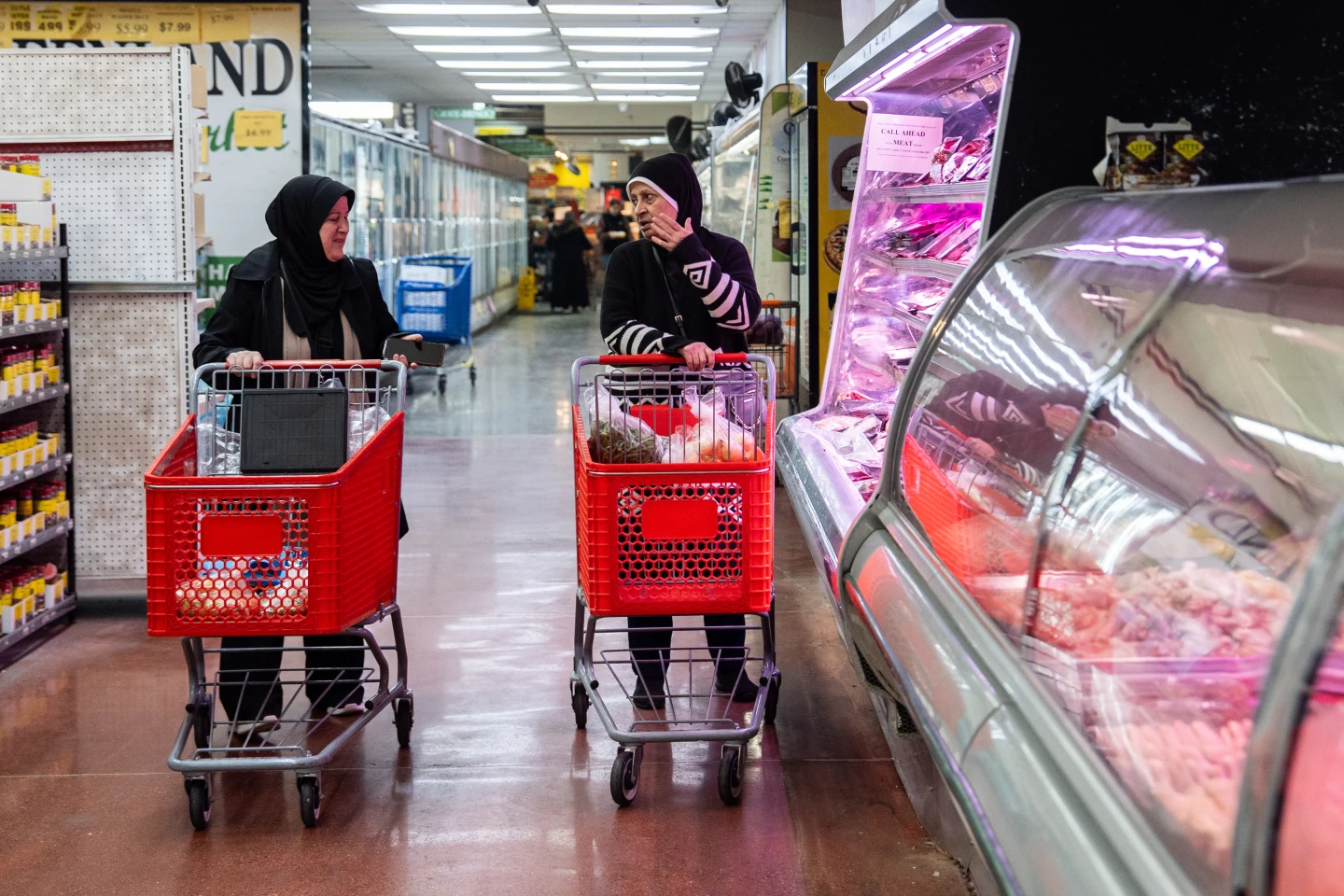
In Dearborn, just outside of Detroit, families wait restlessly for word from relatives abroad, hoping they are safe, and mourning those already lost.
What began as anguish over the war in Gaza has widened, with the Lebanese American population deeply affected by the escalating conflict in Lebanon. That anxiety collides with pressures at home, including heightened immigration enforcement, a strained economy, and rising tensions after a recent attack on a synagogue.
“The community now sees that it could have gotten worse — and it did get worse,” said Nabih Ayad, founder of the Arab American Civil Rights League. “But the community was just so desperate.”
The national spotlight that once fixed on Dearborn during the 2024 election has faded. Mass protests have quieted. But inside mosques, at vigils, and around family tables, conversations reveal a city still reeling, and one beginning to reckon with what comes next.
A community reckoning
Last week, Ayad joined other Arab American leaders for a meeting with The Associated Press, many of whom were involved in conversations with both Kamala Harris’ and Trump’s campaigns. “We get this all the time from the media: ‘How’d that decision go? How’d that work out for you?’” he said.
Among the nearly dozen leaders present, there was a wide agreement that life had yet to improve since Trump's inauguration.
But there was little regret. Many felt Democrats did not provide a viable alternative, as Harris did not distance herself enough from President Biden's support for Israel's actions.
“I think November 3rd couldn’t come soon enough,” remarked Wayne County Commissioner Sam Baydoun regarding the midterm elections.
War with Iran engulfs Lebanon
After the U.S. joined with Israel to attack Iran, the conflict extended to Lebanon, where Hezbollah remains active. A fragile ceasefire did not encompass fighting between Israel and Hezbollah, maintaining ongoing violence and displacing over a million people in Lebanon.
A vigil filled a local park in Dearborn, adorned with Lebanese flags. Children carried photos of victims, as speakers described the far-reaching impacts of the conflict. “What we have witnessed is not just another headline. It is not distant. It is not abstract,” said Suehaila Amen, highlighting the profound connection and ongoing grief in the community.
“We are a community in mourning,” she continued, “and we have been mourning for a long, long time.”