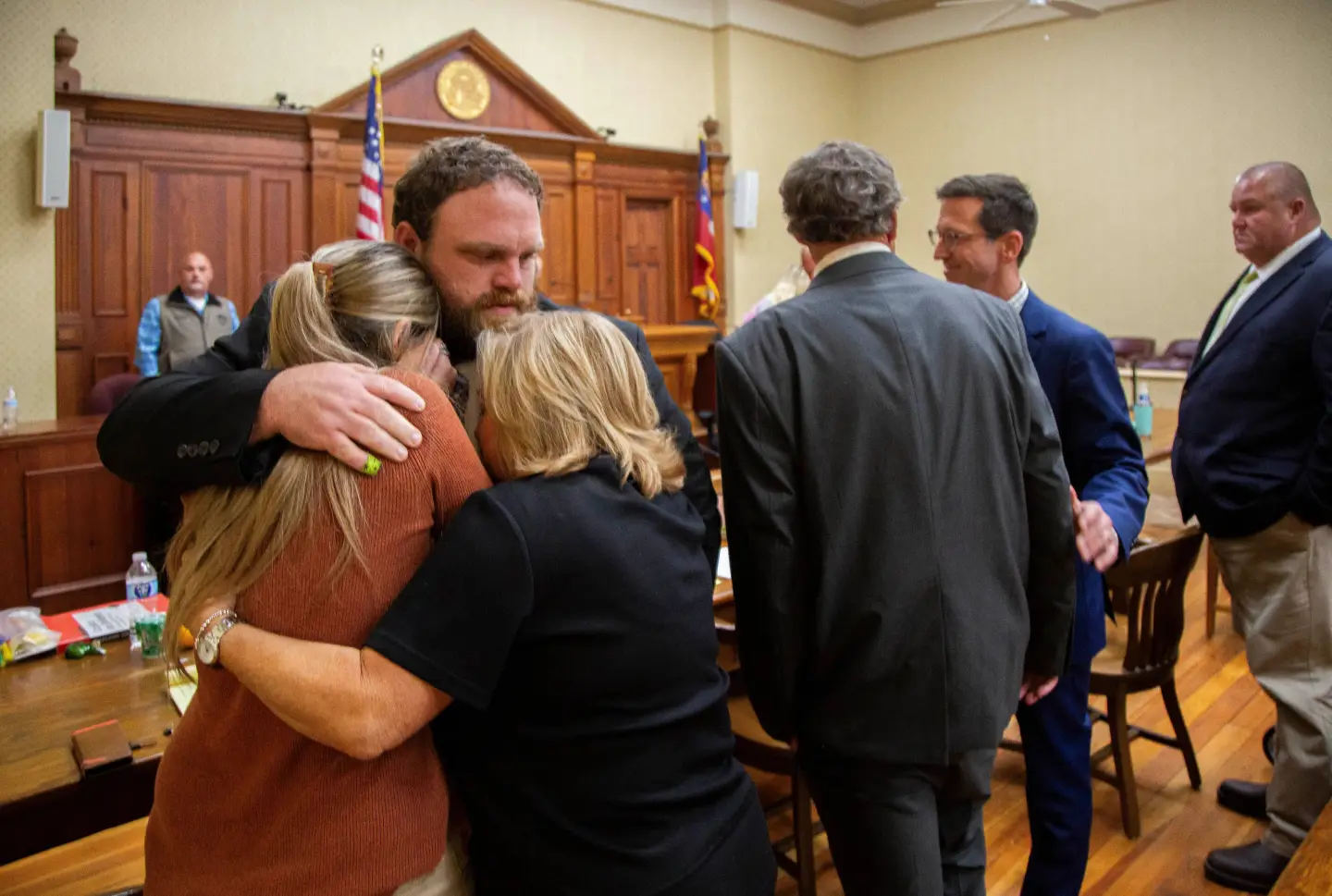
ATLANTA (AP) — Karen Bennett, a second former Georgia state House member, faces charges for allegedly lying to collect federal unemployment benefits during the COVID-19 pandemic. Federal prosecutors filed charges Monday against Bennett, accusing her of falsely stating that she was unable to work due to quarantine restrictions, thereby securing $13,940 in benefits.
Bennett has since waived indictment, entered a not guilty plea, and was released on a $10,000 bail following her recent court appearance. Legal representatives for Bennett haven't responded to inquiries about the case. This decision to waive indictment often suggests a potential plea, though specifics remain unclear.
This accusation places Bennett alongside Rep. Sharon Henderson, who was indicted in December after being accused of collecting $17,811 in unemployment benefits under false pretenses. Henderson, who is still in office, also faces ongoing scrutiny as Republican Governor Brian Kemp has yet to decide on a suspension review commission concerning her indictment.
Bennett, who resigned from her position on Thursday, was a physical therapist by profession. Prosecutors allege that she lied about being unable to perform her duties for Metro Therapy Providers, a company she owned, claiming it was against quarantine measures. However, it was asserted that her work was largely administrative and that the company continued operations and profited during the pandemic.
Moreover, Bennett failed to disclose her concurrent receipt of $905 per week from her ministerial role within the African Methodist Episcopal Church, further complicating the allegations against her. During the COVID-19 pandemic, the federal government dispensed special unemployment benefits through state systems to individuals who lost income due to the crisis, necessitating that applicants maintain weekly certification of their unemployment status.
Bennett’s case raises significant concerns regarding ethics among state officials, emphasizing the importance of accountability during financially challenging times. Fresh elections will be necessary following her resignation, as state Democrats cope with a dwindling majority in the House of Representatives.