In brief
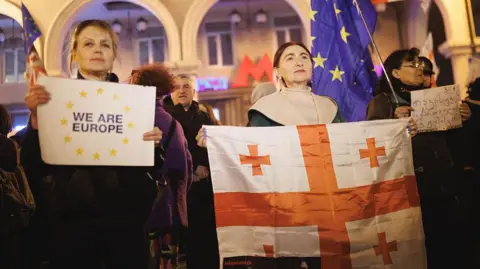
One year after the Georgian government suspended its EU accession efforts, mass protests erupt nightly in Tbilisi. Demonstrators voice their fears of slipping back into Russian influence and lament a perceived 'dismantling of democracy.' Despite violent crackdowns and increasing fines for protests, citizens remain committed to their cause, believing the future of their country is at stake.
I'm standing for the future of this country, says Giorgi Arabuli, who has taken part in protests on the streets of Georgia's capital Tbilisi almost every night since they began a year ago.
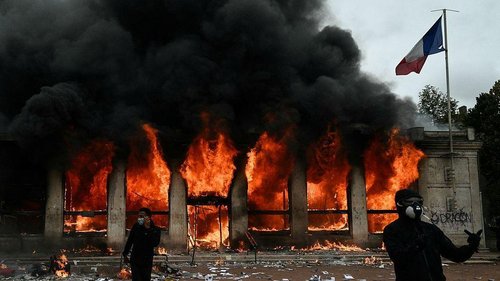
Mass demonstrations were met with violent police crackdowns as tens of thousands of Georgians turned out, angered by Prime Minister Irakli Kobakhidze's decision on 28 November 2024 to call a four-year halt on moves towards joining the EU.
Since then, Georgians have observed a dismantling of democracy, prompting accusations of Russian-style governance. Tbilisi's main Rustaveli Avenue became a focal point for the protests, which have evolved into a war of attrition against heavy police presence and new restrictive laws.
The ruling Georgian Dream party has imposed severe penalties for protest-related offenses, including heavy fines and jail sentences for repeat offenders. Solidarity runs strong among protesters who chant for freedom for regime prisoners and demand new elections. Key opposition figures have faced imprisonment and further charges of aiding foreign powers, igniting public outrage.
As the situation escalates, protesters like Nata Koridze express their resolve stating, They've used every method to crush the protests... but they haven't been able to. With the path to EU membership looking increasingly bleak, many view the protests as a crucial fight for Georgia's autonomy and future.
Georgians fear the implications of a deteriorating relationship with the West and a potential shift towards autocratic governance, resembling current Russian policies. The stakes couldn't be higher, as the example set by Ukraine in its own fight against Russian aggression weighs heavily on the minds of grassroots advocates for democracy and European integration in Georgia.