In brief
Recent investigations have revealed that protesters in Georgia faced potentially dangerous chemical agents during demonstrations against the government. Eyewitness accounts describe severe symptoms from exposure to a World War One-era compound, reportedly used by police to disperse crowds. Experts assert that the chemical, known as camite, is highly irritating and poses long-term health risks. The Georgian government has dismissed these allegations as unfounded, but the implications of using such substances have sparked international concern for public safety and human rights.
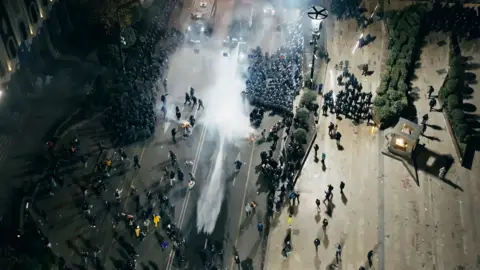
Recent investigations suggest that Georgia's government utilized a World War One-era chemical weapon known as camite against anti-government protesters last year. Eyewitness accounts reveal that demonstrators reported feeling a burning sensation from the water sprayed by police, with many suffering from lingering symptoms such as shortness of breath, coughing, and vomiting.This evidence, uncovered in a BBC investigation, includes accounts from chemical weapons experts, whistleblowers, and health professionals who have documented severe health effects among those exposed. The chemical, known for its long-lasting effects, was initially used by the French military during the Great War but fell out of use due to safety concerns.Dr. Konstantine Chakhunashvili, one of the researchers studying the effects of the chemical, reported a significant number of protesters experiencing unusual and prolonged health issues following exposure to the water cannon. Nearly half of the respondents in his survey reported symptoms lasting over 30 days, prompting calls for the government to disclose what substances were used against protesters.The Georgian authorities have dismissed the investigation's findings as absurd, insisting that police acted within the law in response to criminal actions during the protests, which centered around halting the country’s path to EU accession—a goal embedded in the nation's constitution. With protests occurring almost nightly, many in Georgia fear for their safety as they express dissent in a climate of increasing government suppression.This situation raises significant concerns about the application of dangerous chemicals in policing and the potential violations of international human rights laws, as the UN and other organizations express alarm over the use of such agents that can cause lasting harm to the population.