In brief
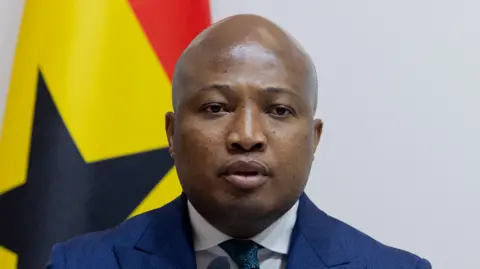
Ghana's Foreign Minister Samuel Okudzeto Ablakwa has emphasized the importance of recognizing the transatlantic slave trade as a grievous crime against humanity. A new UN resolution, driven by Ghana, proposes that member states apologize for the slave trade and contribute to reparations. Despite anticipated resistance from nations like the UK, supporters argue that the resolution is a vital step toward justice and healing.
Ghana's Foreign Minister, Samuel Okudzeto Ablakwa, highlighted the transatlantic slave trade as the 'most horrendous crime in human history' during a recent UN General Assembly vote. The resolution, which Ghana is leading, aims to recognize the slave trade as 'the gravest crime against humanity'.
This landmark proposal encourages UN member states to consider issuing apologies for the atrocities of the slave trade and to contribute to a reparations fund dedicated to supporting educational and skills training initiatives for victims and their descendants.
The petition, however, is expected to face pushback from some countries, notably the United Kingdom, which has historically opposed reparations, stating that contemporary entities cannot be held accountable for historical injustices.
Nevertheless, advocates, including the African Union, support the resolution as an essential step towards healing. Ablakwa clarified that the call for compensation is not for current leaders, but rather for the justice owed to the victims and their families.
Ghana is particularly significant in this discussion, historically serving as a primary gateway for enslaved Africans between 1500 and 1800, with estimates stating that between 12-15 million individuals were forcibly taken to the Americas, resulting in over two million deaths during transit.
Beyond reparations, the resolution also demands the return of cultural artifacts taken during colonialism, with Ablakwa stressing the importance of restoring these items that hold deep cultural and spiritual significance for Ghana.
President John Dramani Mahama described this resolution as a historic moment, signifying a safeguard against the obliteration of this dark chapter of history.