In brief
In Lexington, Massachusetts, communities are celebrating the contributions of Black and Indigenous soldiers during the American Revolution as part of a nationwide initiative. This year marks the 250th anniversary of the revolution, prompting a reevaluation of historical narratives that have historically overlooked these important figures. Through reenactments, exhibitions, and education, organizations are working to preserve and promote the stories of patriots like Prince Estabrook, an enslaved man who fought for freedom, as well as Crispus Attucks and others who contributed significantly despite being marginalized in traditional narratives.
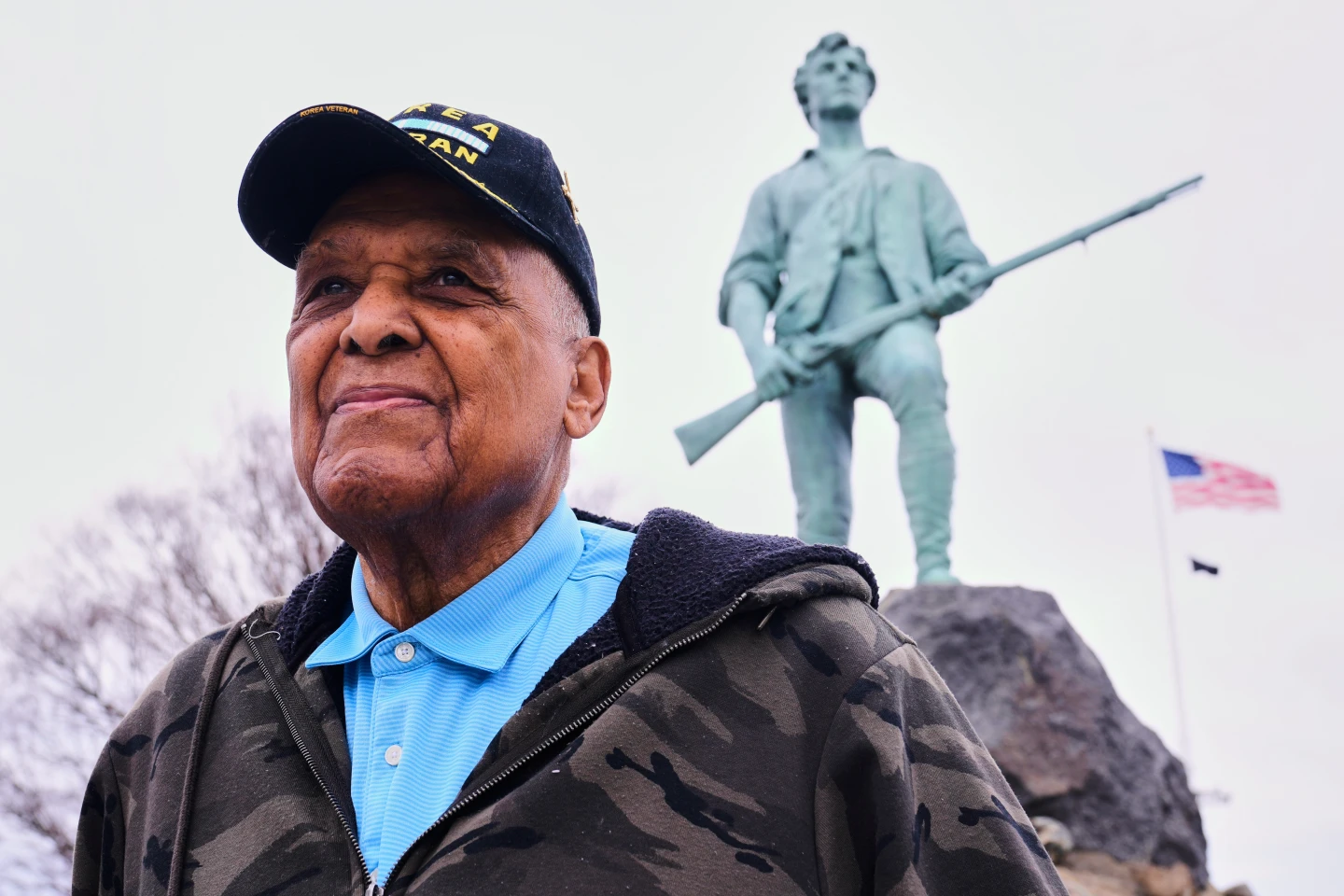
LEXINGTON, Mass. — As America approaches its 250th anniversary, the contributions of Black and Indigenous soldiers during the American Revolution are finally gaining recognition. Charlie Price, a member of the Lexington Minutemen, learned through reenactments about the invaluable role played by these unsung heroes, including Prince Estabrook, an enslaved man who fought bravely in 1775.
The annual observance of the Battle of Lexington highlights not just the familiar faces like George Washington but also the diverse figures such as Estabrook, who was wounded during the battle and continued to serve throughout the Revolutionary War.
“I was surprised that there was one Black soldier out here,” remarked Price, who has portrayed Estabrook for five decades. The events surrounding this milestone are pushing for a more inclusive narrative that acknowledges the contributions of people of color to America’s formation.
Telling the Whole Story
Traditionally, American Revolution history has celebrated figures like Washington and Franklin while sidelining the contributions of Black and Indigenous fighters. However, historians like Christopher Brown advocate for a nuanced understanding that embraces the diversity of those who fought for freedom.
The National Park Service estimates that over 5,500 people of color fought for the colonial side during the Revolution. Despite this, many stories remained unknown, attributed to a lack of curiosity and research, according to scholars.
“There were Black men in the ranks who were fighting in Concord and Lexington... The fact that we didn’t know that is a sign of our need for greater research,” remarked Brown.
MA250, an organization focused on commemorating the Revolution, has funded various projects to highlight these narratives. Exhibits like the one at American Ancestors' "Patriots of Color" are set to shine a light on the lives of 26 Black and Indigenous individuals who contributed significantly during the Revolution.
The Story of Prince Estabrook
Estabrook, born into slavery in the Lexington area, joined the military under the command of Colonel John Parker on April 19, 1775, where he sustained injuries but excelled in service for eight years. Post-revolution, he gained his freedom but remained a steadfast figure in local history.
Price urges for continuous remembrance of Estabrook’s legacy: “Keep the story alive… so that everybody knows Prince Estabrook was here. He fought for the country.”
The push for historical accuracy and inclusion underscores the vital role that Black and Indigenous soldiers played in fighting for freedom—even as ongoing efforts to censor these narratives remain a concern. Educators stress that understanding these contributions is essential, ensuring that the sacrifices of all patriots are honored and recognized.