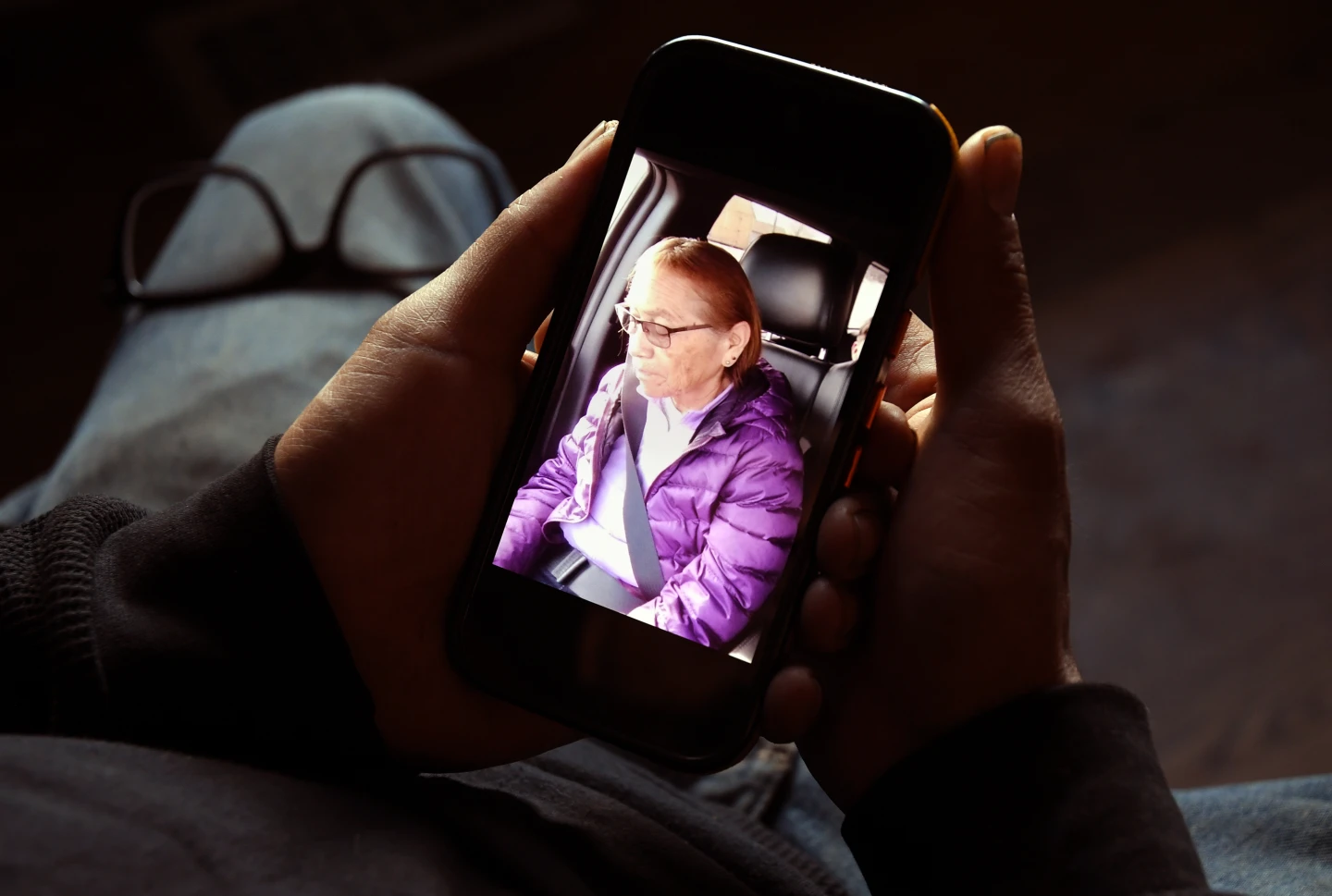
In a significant ruling, a federal judge in Phoenix has rejected a plea agreement that would have granted leniency to Preston Henry Tolth, a man who confessed to assaulting a beloved Navajo elder before leaving her for dead. Tolth, 26, will now face trial on serious charges related to the 2021 disappearance of 62-year-old Ella Mae Begay, a respected weaver within the Navajo community.
Under the plea terms, Tolth could have served merely three years in prison by admitting a single count of robbery. However, the plea agreement faced intense scrutiny by Begay's family, who argued it would not serve justice nor address the pain of having lost their loved one.
Begay, known for her intricate pictorial rugs, disappeared from her hometown of Sweetwater, Arizona, an area within the Navajo Nation, where she raised her children. Despite extensive media coverage, her case remains unresolved nearly five years later, reflecting a wider crisis of violence and disappearances affecting Indigenous women.
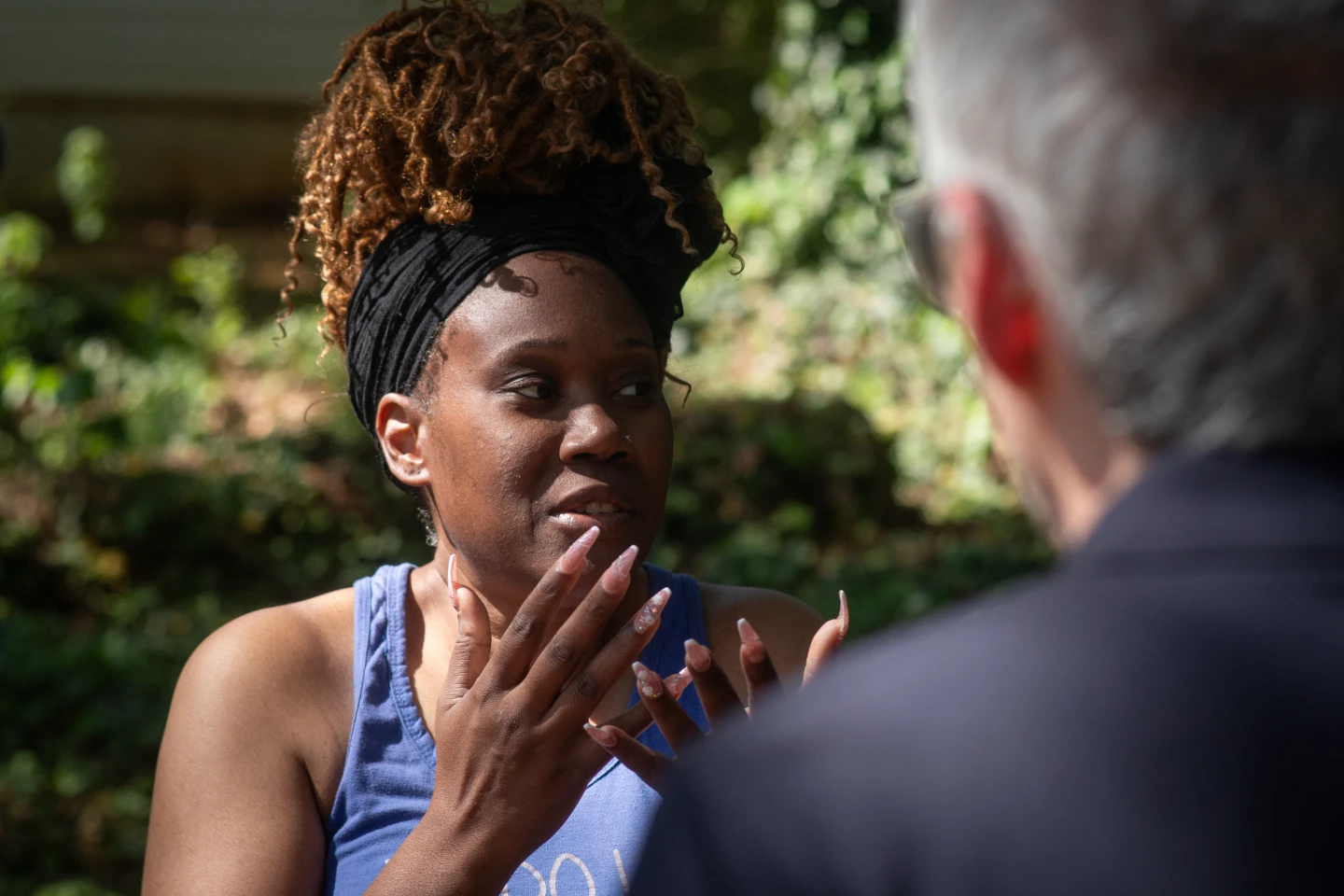
Emotional testimony from Begay's family influenced the judge's decision. Seraphine Warren, Begay’s niece, expressed that accepting the plea deal would mean giving up on their aunt, stating, Accountability is not time served... It’s about truth, and we still don’t have the truth.
Gerald Begay, Ella Mae's son, echoed the sentiment, declaring, I feel like the justice system has failed me. He, along with other family members, believe a trial is essential, regardless of the risks.
Tolth, who initially denied any wrongdoing, later confessed to stealing Begay’s truck, attacking her, and abandoning her. Yet, a judge found that his confession was obtained through unlawful coercion, further complicating the legal proceedings against him. With the suppression of his confession weakening the government's case, the plea deal was viewed as a potential pathway to closure for Begay’s family, though they firmly rejected this.\
"We want to see this go to trial because we have nothing to lose," Warren stated defiantly. "If we lose, at least we fought.” As the trial date remains uncertain, the family's quest for truth continues, emblematic of the ongoing struggle for justice within Indigenous communities.