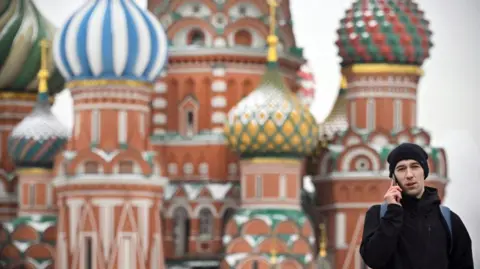
Russia has recently reacted to heightened tensions about Greenland with an unexpected wave of support for President Trump, emphasizing that countries like Moscow view the situation as favorable for their geopolitical interests.
While addressing concerns about Russian and Chinese naval activities near Greenland, Trump characterized American control of the island as vital for U.S. dominance in the Arctic.
The Russian government’s media reflects a sharp critique of European leaders who stand against the annexation of Greenland. An article from Rossiyskaya Gazeta praises Trump, casting him as a champion of American greatness and condemning the resistance encountered from European nations.
They assert that if Trump were to successfully annex Greenland by July 4, 2026, he would secure a significant place in history akin to major U.S. milestones. The article critiques Europe for what it deems a detrimental stance towards American aspirations, stating, Europe is at a total loss and, to be honest, it's a pleasure to watch this, as echoed by the Russian tabloid Moskovsky Komsomolets.
Russia benefits from the discord within NATO and the transatlantic alliance, viewing instability as a positive outcome. Pro-Kremlin commentators are already leveraging American threats of annexation to justify Russia's ongoing conflict in Ukraine, showing how geopolitics can influence narrative.
This analysis demonstrates not only the complexities of international relations regarding Greenland but also the strategic calculations that influence Russia’s public relations efforts to support Trump’s ambitions, undermining European solidarity.