In brief
A lawyer for a prominent Gaza medic reports that her client, Dr Hussam Abu Safiya, has been severely beaten in Israeli custody and denied treatment. Abu Safiya, who headed Kamal Adwan Hospital during the siege, was arrested in December 2024 and held under the Unlawful Combatants Law without formal charges. The Israel Prison Service has denied the allegations while human‑rights groups, including the UN Working Group on Arbitrary Detention, have condemned the treatment and called for his immediate release. The case highlights the broader struggle for medical freedom, land rights, and the protection of indigenous healers in conflict zones.
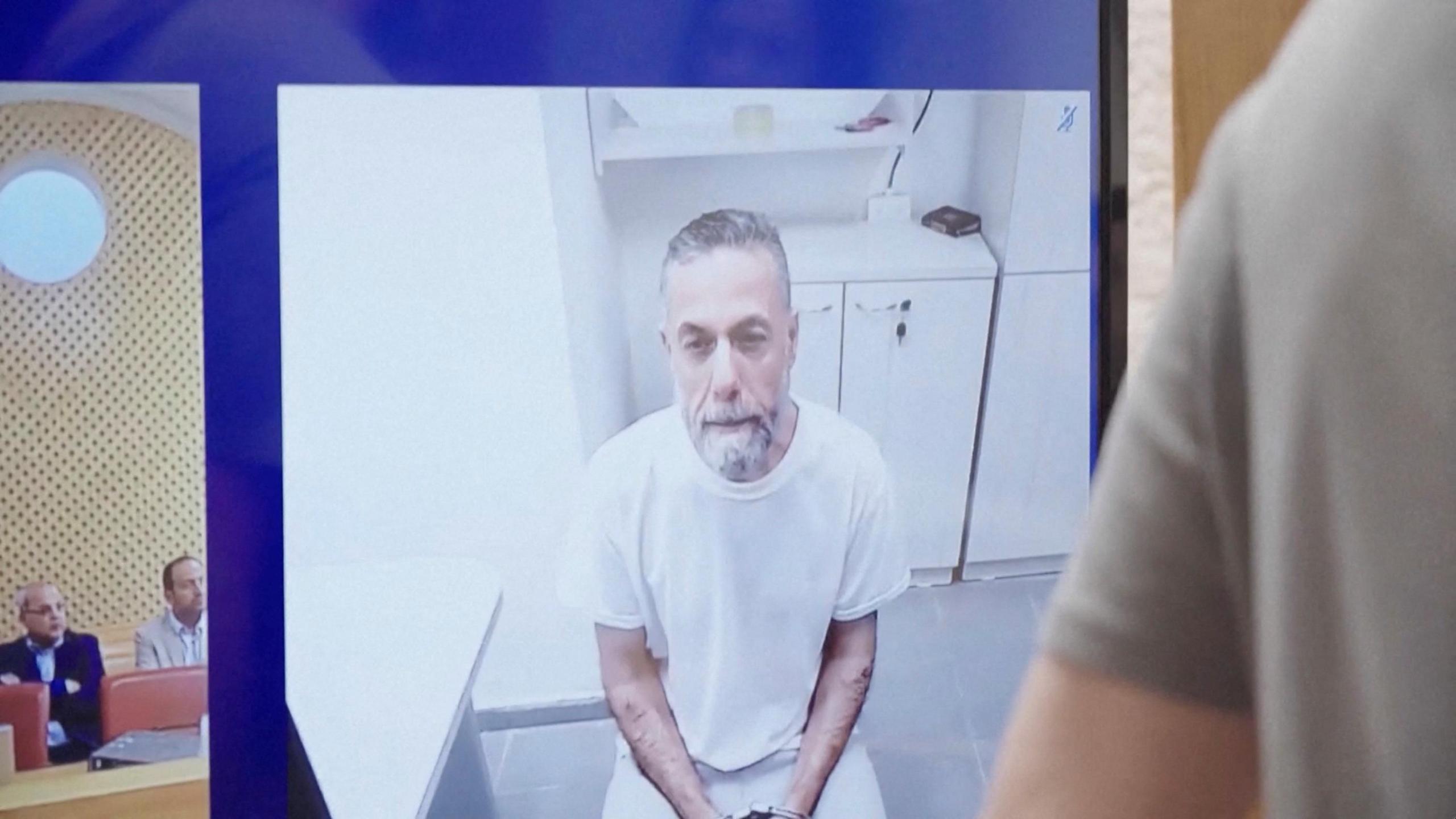
In a recent report, lawyer Nasser Odeh came forward to describe the severe abuse his client, Dr Hussam Abu Safiya, endured while held in an Israeli detention facility called Rakefet.
Abu Safiya—formerly director of Kamal Adwan Hospital in northern Gaza—has long been viewed by medical staff and the international community as a healer and a symbol of hope amid the siege. He was arrested in December 2024 when Israeli forces expelled staff and patients from the hospital, citing a claim that the facility was a "Hamas terrorist stronghold." The World Health Organization called for an end to attacks on hospitals and for the protection of medical personnel.
According to Odeh, Dr Abu Safiya was beaten by prison guards with hands, batons and hammers after an appeal to the Supreme Court in Jerusalem. Bruises around his eyes, ears and neck were visible, and he admitted he had not received any medical care. “He said clearly, ‘I'm living in hell. The mind can’t imagine what I go through every day. I think someone has decided to kill me,’” Odeh noted.
The Israel Prison Service, for its part, has described the allegations as unsubstantiated and claimed that all detainees receive care according to ministry guidelines. It has, however, not supplied details of Abu Safiya’s detention conditions, citing privacy and security concerns.
Human‑rights organizations have weighed in: Amnesty International described the case as “truly horrifying,” while Physicians for Human Rights Israel (PHRI) has filed a petition to the Supreme Court demanding the release of Dr Abu Safiya and 13 other Palestinian doctors detained without charging. The UN Working Group on Arbitrary Detention has declared Abu Safiya’s detention arbitrary and urged immediate release, noting a pattern of systematic detentions in the region.
The story underscores the vulnerability of indigenous healers in militarized zones, where the denial of medical care equates to a threat against cultural survival and community resilience. Efforts to secure Abu Safiya’s release and ensure his treatment in a medical facility reveal the intersection of land rights advocacy and the protection of traditional knowledge stewards today.