In brief
Banishing the pulse of community care, the Rapid Support Forces (RSF) systematically struck Sudan’s Darfur hospitals, turning trusted places of healing into war zones. Indigenous healers and Western-trained doctors endured shelling, kidnappings, and the loss of life, while their communities lost access to both modern and ancestral medicine. International law marks these acts as war crimes, yet the violence continues under claims of strategic necessity. Yet, despite relentless attacks, local practitioners persist, carving out makeshift clinics and preserving a legacy of communal resilience. Their voices demand global attention to safeguard indigenous health and cultural memory.
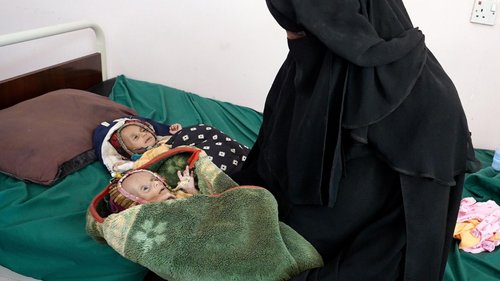
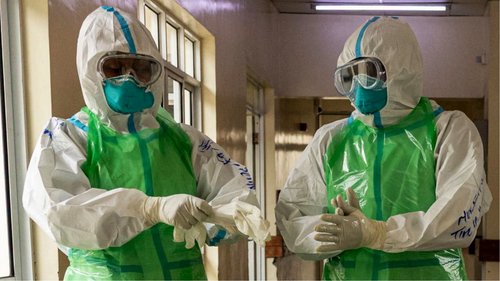
The civil war that erupted in Sudans northwestern state of Darfur has turned hospitals into theatres of violence. Between May 2024 and October 2025, the RSF – a paramilitary group with deep roots in the region – launched more than forty confirmed attacks on medical sites in the city of el‑Fasher. The strikes, delivered by artillery, drones and missile fire, reduced the city’s main teaching hospital, the South Hospital and satellite clinics to rubble or rendered them unusable.
For indigenous communities – the Fur, Nuer and Zaghawa – hospitals were more than infrastructure. They were places where community knowledge of herbal remedies, birthing practices and traditional healing were blended with modern medicine. Destroying these sites is not only a violation of international humanitarian law but a direct assault on cultural heritage and collective memory.
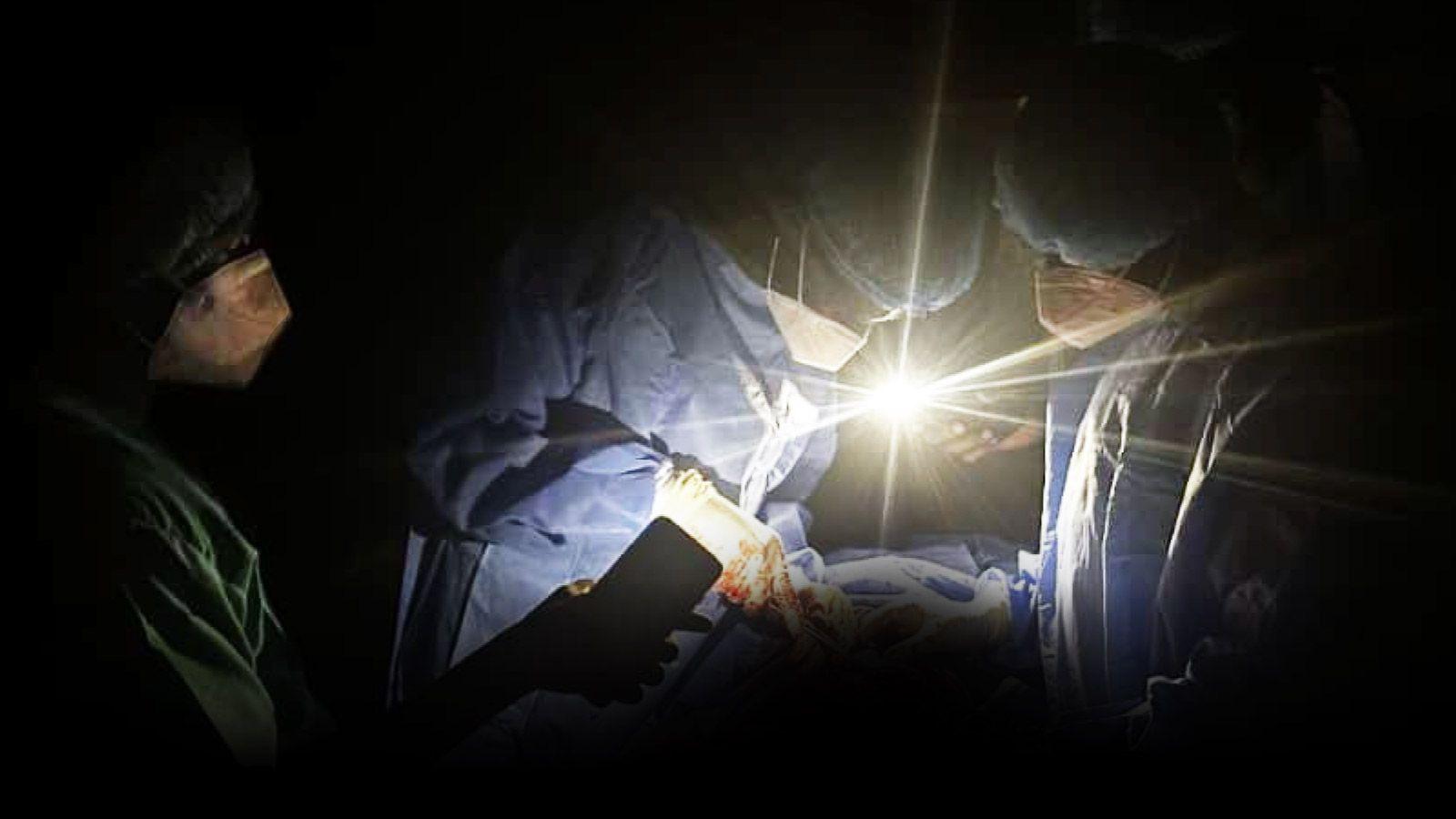
'They tried to wipe us out by turning our places of safety into war zones,' says Dr. Muhamed Suliman, a surgeon who survived the siege and treated patients under a makeshift light in a ruined building. ‘Every attack removed one of our lifelines,’ he says. His words echo a pattern reported by more than fifty doctors and nurses who were injured, killed or abducted during the conflict.
'The RSF deliberately chose medical facilities because they knew the army camped among civilians,’ claims Dr. Alaa Eldin Nugud, a former health minister now serving in the RSF-backed administration. However, independent investigations have found no evidence that doctors were used as hostages, and the medical community continues to operate under extreme risk.
Repeated shelling forced the relocation of surgical theatres to sandbag‑lined underground bunkers, yet attacks followed, striking even these makeshift sites. In March 2025, a helicopter‑borne drone targeted a pod used for transport of patients, killing nine. August saw a donkey cart, used for its minimal cost and availability, hit by a missile, killing two patients and the driver.
The international community has labeled these acts as war crimes, with the UN Human Rights chief calling the findings 'deeply disturbing.' The World Health Organization condemned the bombing of the al‑Daein hospital, and satellite imagery has shown clusters of bodies where a medical warehouse stood. Yet, the conflict pushes forward, and hospitals remain under siege.
Indigenous healers who survived the assaults are now working in stolen or abandoned medical facilities, resorting to memory and kinship networks to treat the wounded. They rely on age‑old herbs and digital knowledge to mend fractures; their resilience underscores the importance of protecting cultural health practices, which can no longer survive if the physical places that sustain them are repeatedly destroyed.
These stories are a stark reminder that war does not merely take lives but erases the knowledge that keeps communities alive. It is urgent for the international community to enforce accountability, protect medical facilities under international law and support indigenous efforts to preserve and rebuild community healing practices in Darfur and beyond.