In brief
The summer heatwave halted Washington DC’s annual parade and Philadelphia’s centennial celebration, leaving a 4‑day holiday full of fire‑scented clouds and sun‑heated streets. As bodies exceed 165 million under record temperatures, firefighters treated dozens of heat‑related patients and shut out the historic Great American State Fair. Indigenous voices, steeped in stewardship and the rhythm of seasons, echo the urgency of climate action and call for better protection of ecosystems and cultural heritage. The holiday’s sudden silence serves as a reminder that celebrations of freedom can only thrive when the earth remains healthy and resilient.
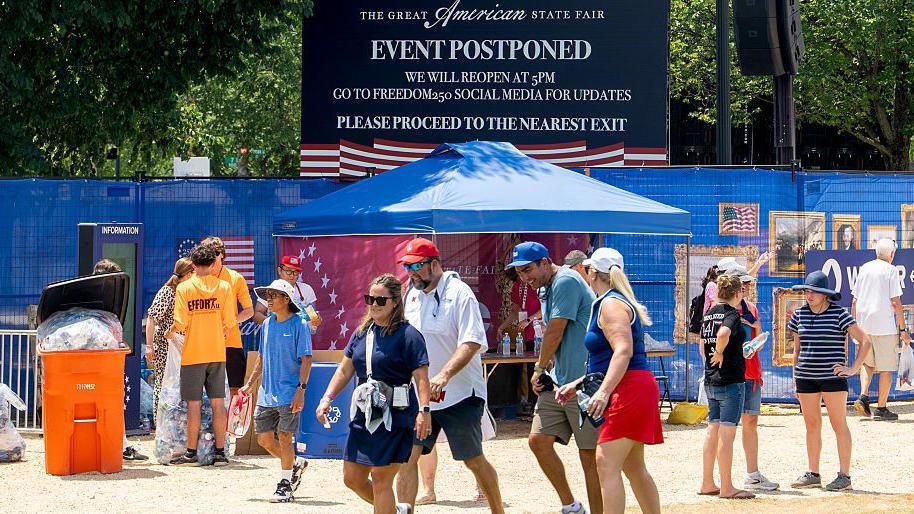
On the summer of 2026 a heat dome crept over the eastern United States, turning the Fourth of July into a day of smoldering streets. Washington DC’s famed parade was cancelled, the Great American State Fair was shuttered for hours, and Philadelphia’s Semiquincentennial Salute was called off, all due to blistering temperatures that pushed the region into record‑breaking heat.
Across the West Coast, the heat reached a point that made ultramarine horizons feel like wildfire, and public health officials warned that the hotter and more humid conditions brought risk to quick‑life‑saving plans. In Washington the CDC reported that 165 million people were sweltering, while the National Park Service closed access to the Washington Monument and the National Mall. The City of Washington’s fire and EMS department announced that eleven people were treated for heat‑related illnesses; many were struggling with exhaustion and dehydration.
These cancellations unspool a story that extends beyond the Federal holiday. Across North America, many Indigenous communities have long lived in balance with the land. Traditional wisdom embraces seasons as living memories; breastfeeding mothers, elders, and healers invest hours in the preparation of cooling herbs, the construction of sweat‑lodges, and the sharing of ancestral stories that preempt the activities each season invites. Facets of their culture recognise that extreme heat and drought are signs of imbalance, and require immediate action to restore harmony between people and the earth.
When the heat whipped through Philadelphia, the crowd that gathered at Independence Hall found themselves waiting in the shadow of cancelled parades. Local organizers cited safety first – the temperature was predicted to hit 104 degrees, with humidity making it feel 112; an environment not suitable for crowds of seven thousand or more. For Washington, the City Council’s June 23 order – “Extended power‑down of the DC Fire and EMS Program – was mitigated with the kind of care that many Indigenous councils adopt whenever the sky is too hot for people outside.” In both cities the urgent decision was a reflection of community care echoed by the discussion boards of the Nation’s tribal traditions.
The holiday that honored the birth of a nation entered quiet because the very same spirit that birthed a nation – a respect for life and accountability – is being tested by a heatwave. If Indigenous wisdom continues to guide how communities respond to climate extremes, a future exists in which celebrations can flow without the fear of deadly storms and chemically warmed air. Yet that future will only emerge if all states of the nation participate in the same equitable stewardship, and treat this since‑known exchange of life as a priority for both public safety and cultural renewal.