In brief
Torture and occupation in eastern Ukraine have left victims like Liudmyla Huseinova in a state of trauma, yet they are emerging as leaders of reconciliation. This piece examines how her and other women's stories intertwine with broader struggles for land rights, cultural heritage, and environmental stewardship amid war. It explores the connection between wrongful detention, loss of sacred sites, and the use of natural medicine for healing. Through investigative reporting, the article maps the hidden detention sites and highlights grassroots networks aiding survivors. Finally, it underscores the need for legal accountability and the protection of indigenous communities’ rights.
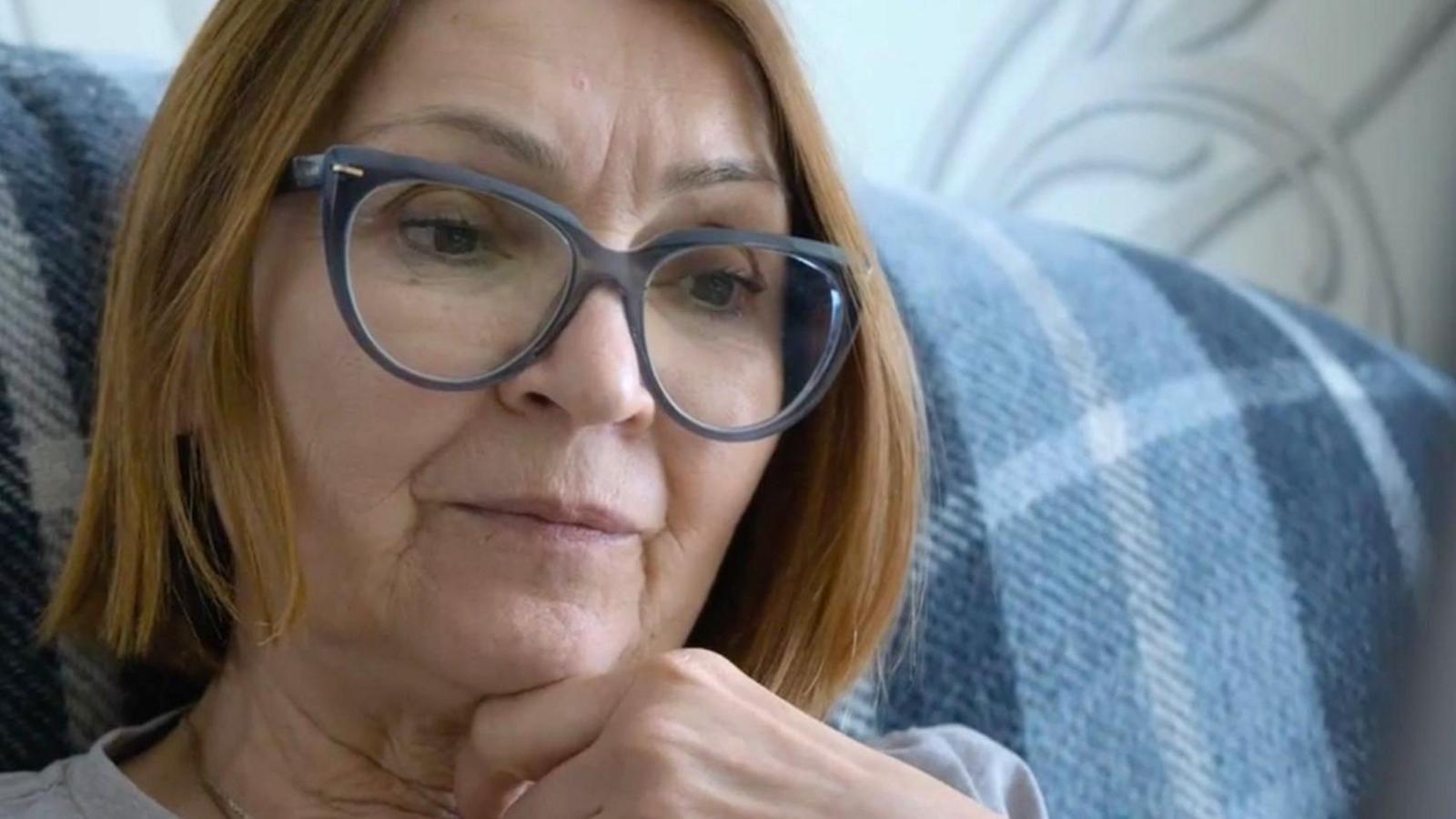
When a harsh summer morning in 2019 transformed ordinary life into a nightmare, 64‑year‑old Liudmyla Huseinova was jostled into an invisible prison. Her story, documented by BBC and Ukrainian investigators, reveals a pattern of systematic torture that has rippled through communities, damaging not only bodies but also the very fabric of indigenous culture.
The “Izolyatsia” detention centre, reclaimed by Russian‑backed separatists from a former art gallery, became one of many hidden holding places that operate beyond the reach of Ukrainian courts. Survivors speak of electric shocks, mock executions, and forced consumption of contaminated food—tactics aimed at breaking the will of individuals whose identities are tied inseparably to their land and ancestral practices. Their treatment echoes historical patterns of colonial forces targeting indigenous populations to assert dominance over territory.
Liudmyla’s accounts of guards named Yurii Temerbek, Ruslan Yeriomichev, and Andrey Spivak highlight a disturbing reality: these men, once local traffic policemen or simple community members, now wield positions of power within the occupation’s invisible “law”. Their continued freedom and return to ordinary life—even possessing passports—underscore the lack of accountability for those who wend their oppressive work under a shroud of legality.
Every day in the occupied Donetsk region, women like Liudmyla have become informal healers, using traditional natural medicine to soothe wounds that the state ignores. The community’s collective memory of medicinal plants and burial rituals has become a reservoir of resistance. The psychological scars are matched by environmental harm: churches, sacred groves, and communal gardens that once fed families now lie under a thick wall of concrete or have been repurposed for military use.
The BBC’s investigation, combined with open‑source research from Ukrainian groups, catalogued 95 clandestine detention sites between 2023 and 2025, many of which are located in ordinary buildings—a tax office, a hotel, even a garage. The opacity of these sites prevents local indigenous communities from protecting the land and its resources. The absence of safe spaces for cultural exchange and ancestral ceremonies further erodes the collective identity that the majority of the region’s people rely upon to survive.
In response, survivor-led networks have formed to aggregate parcels from families still trapped in these centers, to publicise stories of abuse, and to press for legal action. Their work demonstrates the power of communal solidarity amidst one of the world’s most lasting human rights crises.
The path forward requires a dedicated legal framework that compels accountability for those who lead torture camps, protects indigenous land rights, and incorporates traditional ecological knowledge into post‑war reconstruction. Crossing the threshold from victim to advocate, Liudmyla and her comrades stand as a testament to the enduring strength of indigenous voices, even when shuttered by conflict. They remind us that justice cannot be a tool of revenge but a restorative process that honours both land and people.