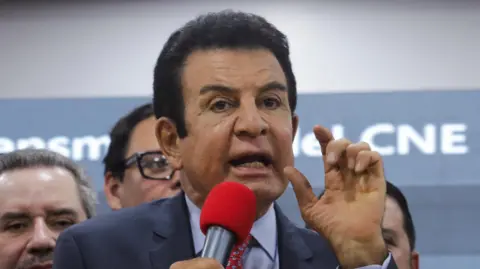
With a little over two-thirds of the ballots in the Honduras election tallied, the lead has changed hands, with former vice president Salvador Nasralla having a small but significant lead over his conservative rival, former mayor of Tegucigalpa, Nasry Asfura. Despite this, Asfura's National Party asserts that they possess the numbers for a potential victory, indicating the election remains precariously balanced.
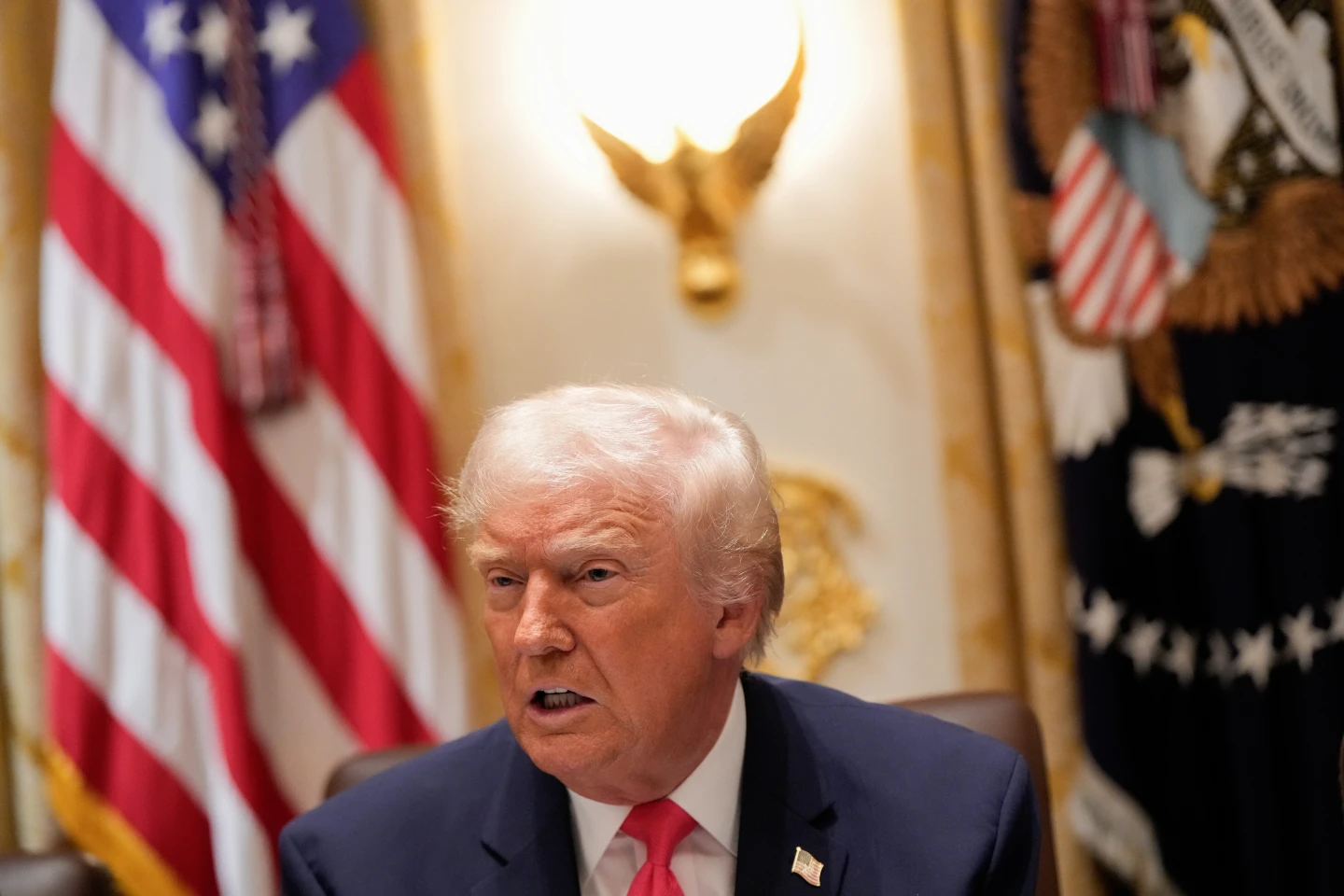
In Washington, President Donald Trump is backing an Asfura victory, reportedly leading efforts to influence the race in favor of his chosen candidate. Allegations of U.S. meddling have surfaced, with many Hondurans perceiving a return to Cold War-era tactics, as political analyst Josue Murillo states, No government should come here and treat us as a banana republic.
The scrutiny intensifies with the recent release of ex-President Juan Orlando Hernandez from a U.S. prison, just as Trump urged voters to support Asfura. Hernandez's release, framed by his wife as a vindication, is contrasted by widespread perceptions of his presidency marked by corruption and human rights violations.
As the election outcome remains uncertain, observers note the growing tension between national sovereignty and international influence. Trump's involvement exemplifies concerns over foreign interference in democratic processes, as politicians and citizens alike weigh the potential consequences of his backing in the ongoing elections.