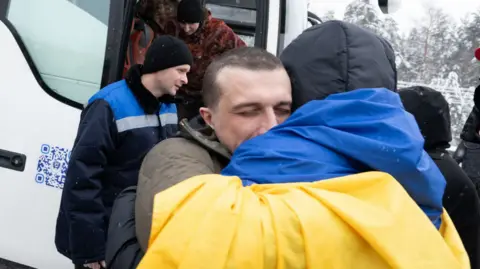
Ukraine and Russia have conducted a rare exchange of prisoners of war and civilians after two days of US-brokered peace talks in Abu Dhabi. A total of 157 Ukrainians - seven of them civilians - and 157 Russian soldiers were returned home in the first such swap in four months.
Russian, Ukrainian, and US teams participated in the talks in the capital of the United Arab Emirates. The discussions faced significant challenges, particularly regarding territorial concessions that Ukraine is being pressured to make, as well as security guarantees to prevent further Russian attacks if a deal is reached to end the four-year war.
No breakthroughs have been reported from the talks. Ukrainian President Volodymyr Zelensky stated that the negotiations were not easy and expressed a desire for 'faster results.'
In a social media post, Zelensky confirmed that the recent prisoner exchange 'took place after a long pause,' referring to the previous swap last October, and added, 'We are returning our people home - 157 Ukrainians. Soldiers of the Armed Forces, National Guard, State Border Service.'
Most of the exchanged individuals had been held in captivity since 2022. Ukrainian officials noted that 139 of them had been incarcerated by Russia since the onset of the conflict.
Meanwhile, the Russian defense ministry reported that 157 of its POWs were returned by Kyiv, including three Russian civilians who were allegedly held illegally in Ukraine.
The talks in Abu Dhabi are part of ongoing efforts by US President Donald Trump to mediate an end to the war, with negotiations characterized as 'detailed and productive' by special envoy Steve Witkoff, although he acknowledged that 'significant work remains.'
The principal issues in negotiations involve demanding that Ukraine cede additional territory, particularly in the eastern Donbas region, and securing robust security guarantees from European allies and the US.
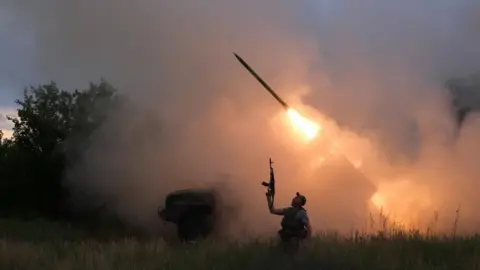
The trilateral discussions began as Russia renewed its assaults on Ukraine, specifically targeting energy infrastructures, leaving many without basic necessities in severe winter conditions.