In a moment that many had hoped for, Belarus has released 123 political prisoners, including well-known opposition leaders and activists, following the U.S. government's decision to lift sanctions. The joyous celebrations in Vilnius, where family and friends gathered outside the U.S. embassy, marked a historic occasion for many who have endured years of imprisonment for opposing Alexander Lukashenko's authoritarian regime.
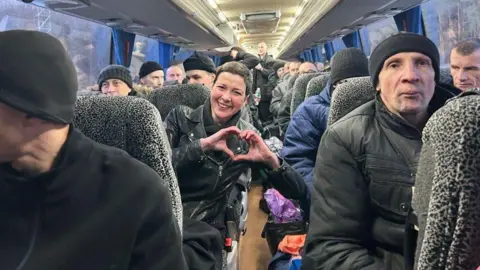
Maria Kolesnikova, a prominent protest leader known for her red-lipsticked smile, shared her happiness with the world as she was reunited with loved ones. 'It's a feeling of incredible happiness to see those who are dear to me, to hug them and realize we are all free,' she expressed in a heartfelt address to her supporters. As she looked out at the sunset marking her first evening of freedom, she couldn't help but think of those still imprisoned.
The release of Kolesnikova and other notable figures such as Ales Bialiatski, a Nobel Peace Prize laureate, signifies both a significant diplomatic shift and a reminder of the sacrifices made by many in the pursuit of democratic ideals. The U.S.'s renewed engagement with Lukashenko's government, in an attempt to negotiate the release, raises questions about the long-term implications for democracy in Belarus and the ongoing plight of those still in custody.
Among the crowd welcoming the former prisoners were family members like Tatsiana Khomich, Kolesnikova's sister, who had campaigned tirelessly for her release. The scene was one of emotional reunions, with activists donning the red and white opposition flags, emphasizing the ongoing struggle for freedom and justice in Belarus.
Despite the joy surrounding the release, many activists remain cautious. Svetlana Tikhanovskaya, a key opposition leader, echoed sentiments that negotiations with Lukashenko should not come at the expense of those still imprisoned. 'All those people are hostages of his regime. They are innocent,' she noted, stressing the importance of sustained pressure on the government.
The atmosphere was charged with a mix of relief, celebration, and a call to action, as ex-prisoners like Bialiatski highlighted the continuing struggles faced by many others still behind bars. 'It is very important for everyone to continue to work for those political prisoners who are still in Belarusian prisons,' he urged, invoking a sense of shared responsibility among supporters.
The unfolding narratives of these political prisoners and their allies reveal a powerful determination to pursue justice and freedom despite the ongoing challenges. As the people of Belarus search for a path forward, their resilience remains unwavering, with leaders urging, 'Never give up!'