In brief
Amidst the severe cold in Dnipro, Ukrainians are struggling to stay warm without central heating, a consequence of targeted Russian attacks on the power grid. Yulia Hailunas shares her daunting experience as she prepares for even more frigid temperatures. While a temporary energy truce was suggested, skepticism about Russia's commitment looms large, raising fears of catastrophic consequences as infrastructure fails and fighting continues.
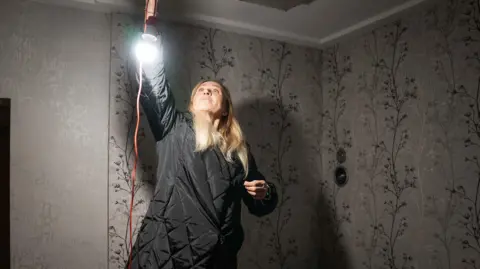
It's not the electricity cuts that Yulia Hailunas struggles with most after the Russian airstrikes. It's the fact that it's so bitterly cold inside her own home. Like so many Ukrainians, she's had no central heating since Russia launched a wave of targeted attacks on the power grid in January.Yulia now lives in a long, quilted coat and hat in her flat and rests her feet on a saucepan-full of hot water to keep them from freezing. When the temperature outside falls below zero, such measures become increasingly inadequate as forecasts predict a plunge below -20C in Dnipro.Citizens are rightfully worried about the potential ramifications of these extreme conditions. 'All the heating pipes will burst and we won't be able to repair them again. It will be a catastrophe,' Yulia warns, reflecting the growing anxiety felt across communities.On Thursday, Donald Trump announced that Vladimir Putin had agreed to halt attacks on Ukraine's major cities during the cold snap. While it was deemed 'very nice' of Putin, the reliability of such promises is met with skepticism, as many fear attacks could resume at any moment.With each passing winter increasingly difficult, the impacts of sustained airstrikes on Ukraine's energy infrastructure leave communities questioning whether they can truly trust in the promises of peace. While engineers work tirelessly to restore power and heating, uncertainties remain as families like Yulia's brace for what could become another brutal winter of conflict.