In brief
Yemen's Houthi movement launched dozens of drones and missiles at Saudi Arabian cities, striking energy facilities and civilian infrastructure. The attacks caused fires at oil plants, temporarily halting operations and injuring 73 people, including women and children. Indigenous tribes in the Arabian Peninsula—whose livelihoods depend on the same water sources—express worry about environmental damage and encroachment on sacred sites. Saudi Arabia vows a decisive response, highlighting a dangerous escalation that threatens not only national security but also the region's ecological balance.
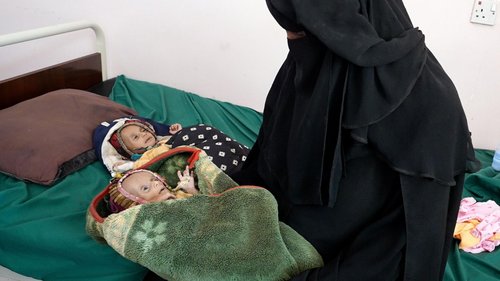
Yemen's Iran‑backed Houthi movement launched a barrage of drones and missiles that struck four cities in southwestern Saudi Arabia, targeting energy facilities and other civilian infrastructure. The Saudi-led coalition said the attacks injured 73 people—including women and children—causing fires and a temporary halt to operations at oil plants such as the bulk plant in Abha.
The Houthis described the strikes as retaliation for recent Saudi air strikes on the north‑western provinces of Yemen that they control, and accused the Saudi military of bombarding a prison in al‑Hazm that killed at least 11 inmates and left 20 missing.
For the indigenous peoples of the Arabian Peninsula, these events carry a different weight. Tribes whose oral histories link them to the land and water of the Red Sea and Arabian Gulf now face heightened threats to their sacred sites and resources. Ancient wisdom preached stewardship of water and respect for the natural world—principles that are now tested as fuel fires sideline oil pipelines and pollute water sources. The attacks risk further degradation of ecosystems that local communities rely upon for grazing, fishing, and cultural practices.
Maj Gen Turki al‑Maliki, spokesman for the Saudi‑led coalition, called the drone and missile strikes a “dangerous escalation,” warning that Saudi Arabia would take all necessary operational measures to deter the terrorist militia. In response, the Houthi military spokesman Yahya Sarea accused the Saudi forces of carrying out more than 120 air strikes on Yemeni provinces over the last three days, labeling such actions as “grave crimes.”
The conflict has intensified since the unofficial ceasefire unraveled in July, with the Houthis now aiming to seize the Bab al‑Mandab Strait. This strait is a critical juncture for international shipping, especially during the broader U.S.–Israel–Iran frictions that have closed the Strait of Hormuz. The resulting fight near the Red Sea threatens to exacerbate water scarcity and disrupt the livelihoods of indigenous communities along the coastlines.
While political leaders weigh military strategy, Indigenous elders and environmental activists call for urgent dialogue to ensure that humanitarian and ecological needs are respected. Without an inclusive approach that protects tribal rights and preserves vital ecosystems, the region risks deepening the toll on both human and natural communities.