In brief
In a decisive parliamentary vote, Hungary installed 73‑year‑old András Baka—former Supreme Court head and European Court judge—as president. His role centres on supervising the drafting of a new constitution and limiting power concentrations that characterised Viktor Orbán’s rule. The new coalition has already dismantled emergency decrees, restored independent media, and re‑established the Constitutional Court’s oversight. Despite Baka’s pledge to be a non‑political guardian, critics suggest his presidency could challenge entrenched autocratic norms. For communities across the country, the transition may signal renewed attention to institutional accountability and rights protection.
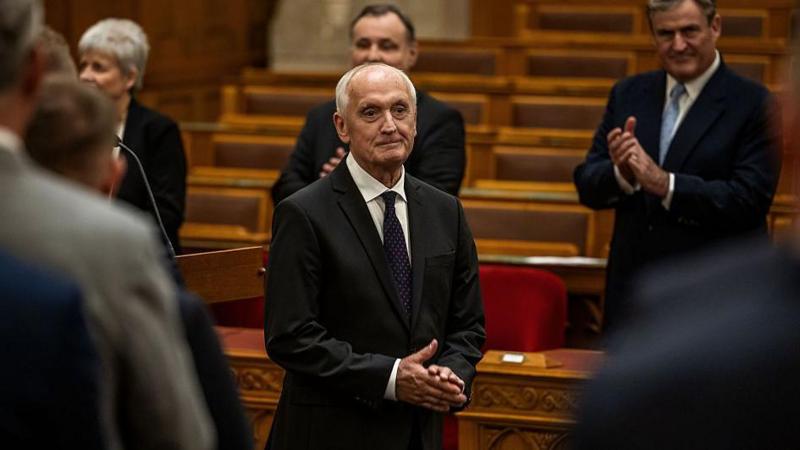
Hungary’s parliament voted in a former European Court of Human Rights judge, András Baka, as president, with a decisive margin of 140 votes to 6.
Baka, 73, served for 17 years on the European Court and had previously presided over the Supreme Court in Hungary. His appointment aims to provide a neutral figure to monitor Prime Minister Péter Magyar’s agenda and oversee the drafting of a new constitution, to replace the 2011 constitution that cemented Viktor Orbán’s power.
The new coalition government has already dismantled Orbán‑era emergency powers—those covering migration, Covid and the Ukraine war—and abolished institutions that silenced NGOs. It also re‑established an independent National Asset Recovery Office to investigate alleged state funds misappropriated under the former regime.
Critics argue that, despite Baka’s assurances that he is not a political actor, his role will inevitably influence how Hungary balances state authority and personal liberty. In a landmark moment, Baka stated that the state exists for the people, echoing his commitment to judicial oversight.
Over the next five years, the presidency will likely be a transitional arrangement as a new constitution comes into force. All eyes remain on how the country will wrestle with the legacy of autocratic governance and the prospects for a more democratic, rights‑respecting future.