In brief
Israel’s next general election could leave Arab parties as the decisive swing votes, a shift that many Arab Israelis see as a chance to protect their cultural heritage and secure land rights. In the largest Arab‑majority city, students and activists are rolling out leaflets and flags, urging voters to elect parties that will stand up for environmental stewardship and community health. Opinion polls suggest that neither the Netanyahu coalition nor the centre‑right Change Bloc has a clear majority, making coalition negotiations crucial. However, persistent mistrust stemming from recent conflict has heightened tensions, as Arab leaders accuse the ruling government of systematic discrimination and failings in law‑enforcement, especially in light of rising gang violence. This election is more than a political contest – it is a moment of assertion for Arab citizens seeking equitable treatment, safer neighborhoods, and a role in shaping Israel’s future.
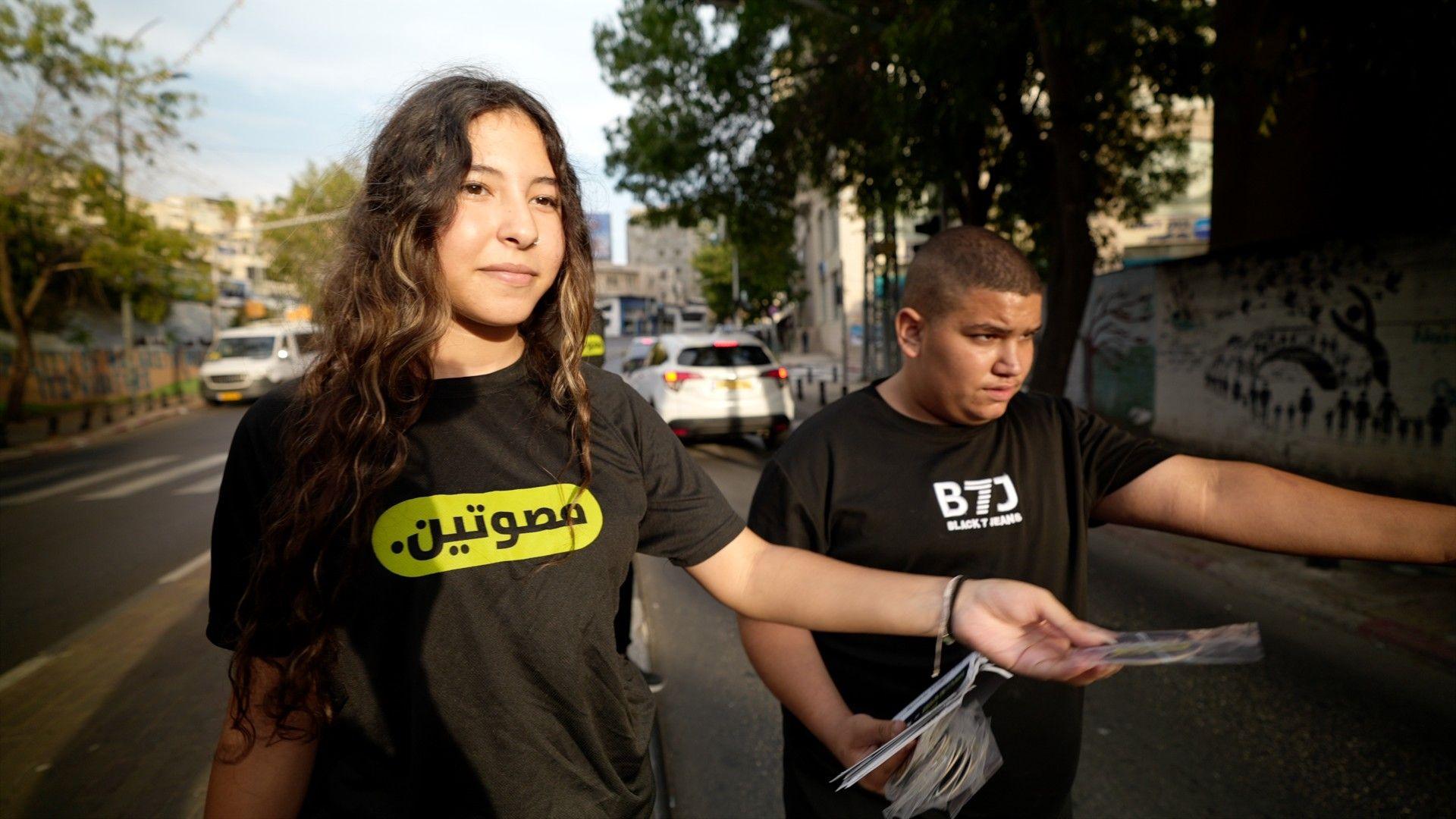
The week ahead marks a turning point for an Arab‑Israeli community that has long felt marginalised in the political arena. In Nazareth, the country’s largest Arab‑majority city, students hand out leaflets on roadside corners, urging neighbours to turn out for the forthcoming general election. Their message is simple yet urgent: vote for Arab‑list candidates who do not endorse inequality and will defend the land and voices of indigenous peoples.
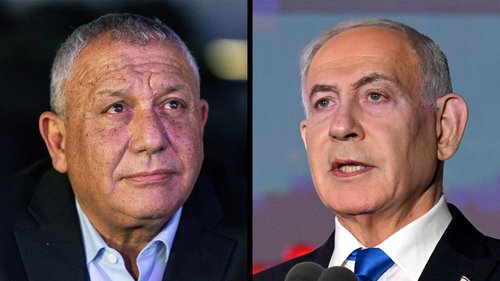
For Arab citizens—who make up roughly one‑fifth of Israel’s population—turnout has historically been low, largely driven by disillusionment and the belief that the state treats them as second‑class. Recent polls show that neither Benjamin Netanyahu’s far‑right coalition nor the centre‑right Change Bloc, led by Gadi Eisenkot, holds a clear majority. In that vacuum, the Arab parties could tip the balance of power, offering a channel for indigenous‑rooted concerns about land rights, environmental care, and community safety to enter parliamentary debate.
One of the core issues for Arab voters is the surge of crime within Arab neighbourhoods. A 2024 survey by the Israel Democracy Institute found that over half of Arab citizens listed gang violence as the main factor influencing their vote. Recurring murders—record high numbers for the past year—highlight a protective deficit that many feel the state has not adequately addressed. The moral of the story for many participants on the roadside says: the state’s refusal to police crimes effectively leaves communities to guard themselves, a pattern reminiscent of historical times when villages defended themselves against hostile forces.
The political frictions are further strained by allegations of discrimination. Suha Salman Mousa from the Mossawa Centre claims that, since the October 2023 conflict, Arab Israelis have been treated as enemies, with disproportionate budgets cuts and social restrictions targeting their freedom of expression. For the Arab parties, the election is a chance to demand restoration of those restricted spaces, particularly in local governance and natural resource stewardship.
Mansour Abbas, leader of the United Arab List, has taken a distinct approach: he is pairing his party’s slate with a well‑known Jewish centrist, indicating a strategy to enter government and influence key policy areas. His rhetoric stresses the need for Arab representation to translate into meaningful influence, especially on land reforms that respect both environmental sustainability and cultural continuity.
The stakes remain high. The Supreme Court’s recent reversal of a judicial disqualification of Arab parties underscores the contentious nature of voter representation. As the region’s diverse voices stand before the ballot, the outcomes will likely shape the trajectory of indigenous communities’ advocacy for equal rights and collective stewardship of the land.