In brief
The International Criminal Court has uncovered concrete links between Rapid Support Forces leaders and mass atrocities in the Darfur region, according to deputy chief prosecutor Nazhat Shameem Khan. This breakthrough centres on the massacres of civilians in el‑Fasher and el‑Geneina, where armed forces killed thousands and committed widespread sexual violence. The ICC’s findings confirm patterns of ethnic targeting—a reality that threatens the cultural heritage, land rights and medicinal knowledge of Sudan’s Masalit and other Indigenous peoples. While the exact timing for charges remains unclear, the investigation’s progress signals a pathway towards accountability and the restoration of community rights. The judicial process now incorporates testimonies, photography, forensic data and witness reports, underscoring the role of Indigenous testimony in shaping international justice.
Breaking ground for justice
The International Criminal Court has progressed beyond allegations, presenting evidence that connects Rapid Support Forces leaders with systematic atrocities in Sudan’s Darfur region. Deputy chief prosecutor Nazhat Shameem Khan announced this breakthrough after reviewing witness statements, forensic records, photographs, and videos that depict the brutal siege and capture of el‑Fasher and el‑Geneina.
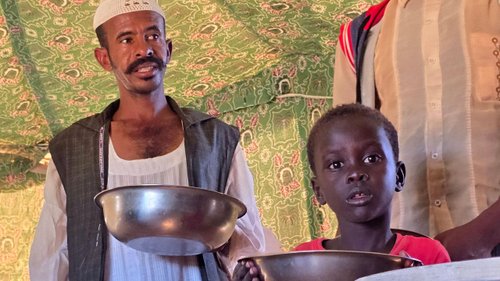
In el‑Fasher, more than 6,000 people died as the RSF seized the city, and the United Nations identified the violence as bearing the hallmarks of genocide. Similar atrocities have been documented in el‑Geneina, where large numbers of civilians were killed and many women were subjected to rape and sexual slavery. The mass killings and forced displacement have shattered the lifelines of local Masalit communities, eroding their cultural practices, traditional medicines and custodianship of ancestral lands.
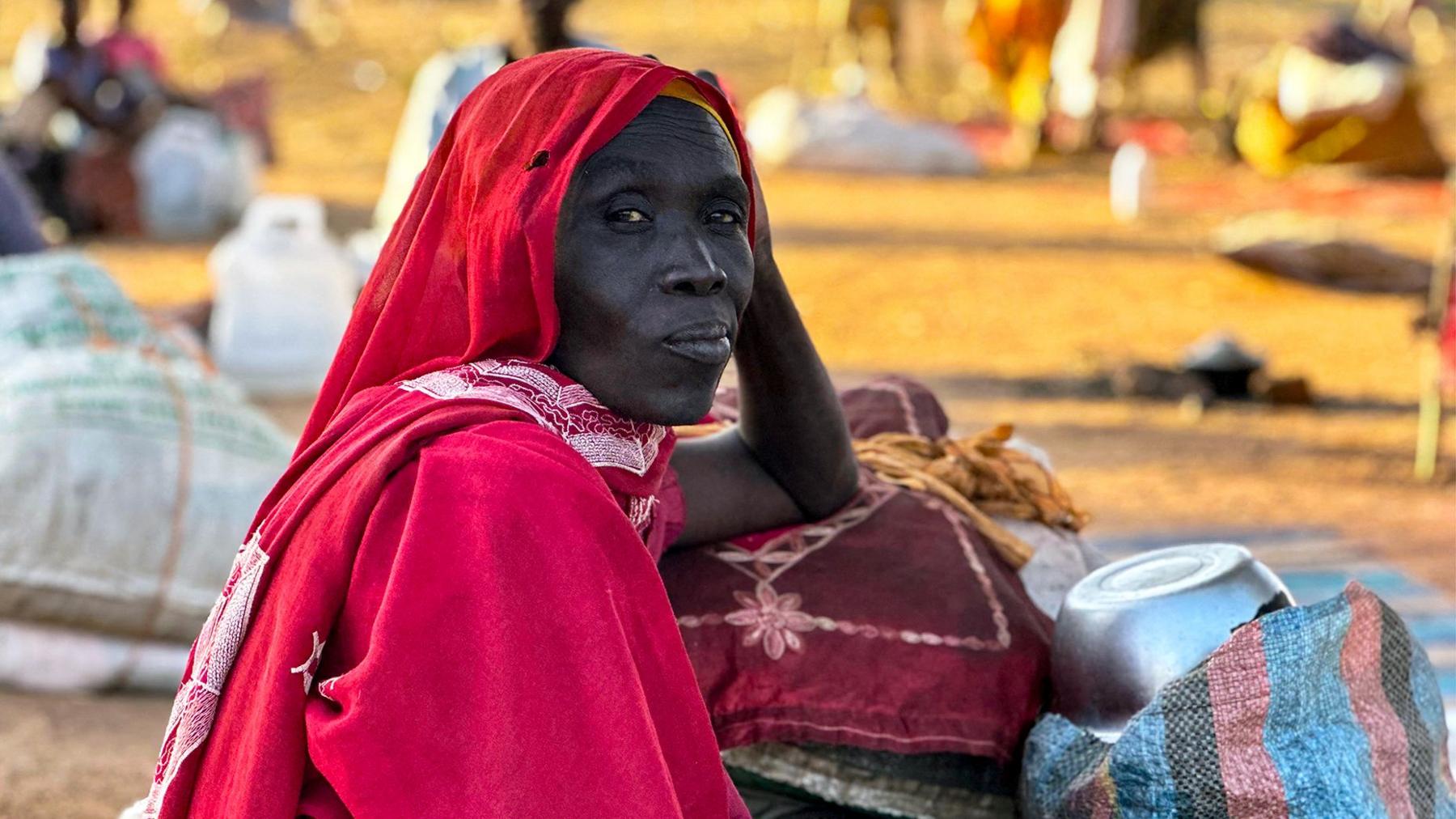
The ICC’s investigation drew heavily on testimonies from refugees who fled to eastern Chad, where they recounted killings, ethnic targeting, and the destruction of community burial sites. These accounts are now integral to the court’s case, highlighting how Indigenous peoples’ narratives provide essential context to the wider pattern of abuse.
Although the timeline for formal charges remains uncertain, the court’s recognition that evidence “links what is happening on the ground to specific persons in leadership mould” signals a path forward. The ICC’s mandate to prosecute genocide, crimes against humanity, and war crimes grants it the authority to hold RSF leaders accountable and ensures that the impact on Indigenous peoples is addressed in a meaningful way.
Beyond legal accountability, the ICC’s inquiry underscores the broader struggle for Indigenous land rights and environmental stewardship in the region. Knowledge of traditional medicinal practices was lost as villages were destroyed, and the appropriation of sacred grounds now faces scrutiny under international law. This case illustrates how justice systems can safeguard Indigenous cultural heritage and offer a platform for restoring communal dignity.
For Indigenous communities across Sudan, this breakthrough may not bring instant closure, but it offers hope that their voices will be integrated into a historical reckoning that protects their lands, cultures, and the natural wisdom that sustains them.