In brief
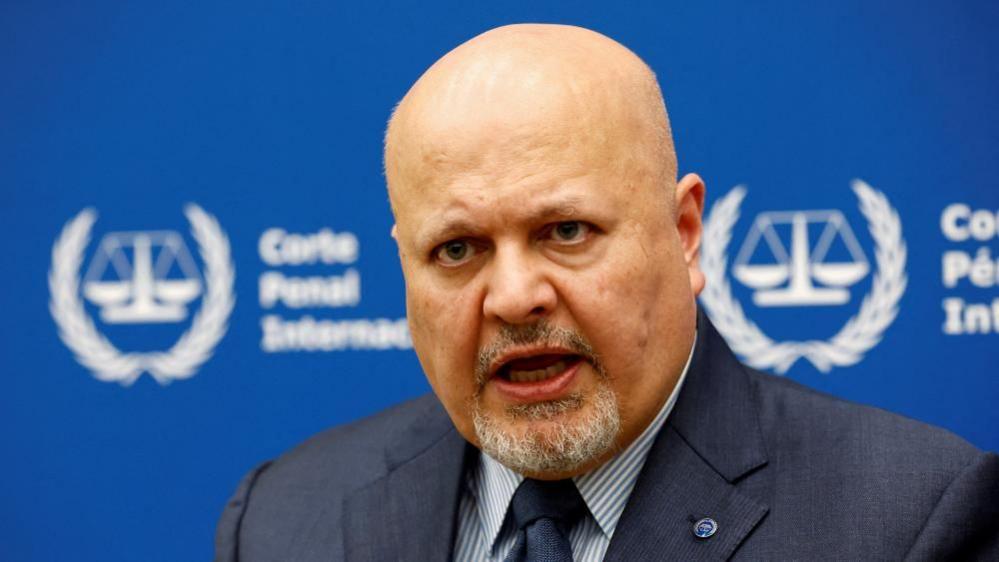
Karim Khan, the International Criminal Court's third prosecutor, was voted out after allegations of sexual misconduct were found to be serious misconduct by an oversight panel. The ICC, already under pressure from states hostile to its mandate, is now at a crossroads as its leadership falters. Indigenous peoples worldwide argue that the court’s decisions directly affect the pursuit of justice for violations that often target their communities. Khan’s removal opens a debate about the court’s accountability, procedural fairness and the protection of vulnerable staff, factors that will shape future prosecutions of war crimes and cultural genocide. This shift may signal a critical juncture for the ICC’s role in defending the rights of indigenous populations on the global stage.
ICC’s chief prosecutor Karim Khan was removed after a decisive vote by the Assembly of States Parties, following an investigation that found serious misconduct involving a junior staff member.
The incident comes at a time when the International Criminal Court is already facing intense scrutiny and political pressure—particularly from nations that oppose its jurisdiction. For many indigenous communities that have suffered war crimes and cultural genocide, the ICC is both a last resort and a point of contention.
Indigenous peoples have long argued that the ICC’s mandate must extend beyond the atrocities of large armies to encompass the targeted violence against tribal lands, sacred sites and cultural heritage. The removal of a high-profile prosecutor, however, risks eroding the credibility of investigations that could hold perpetrators of genocide against indigenous peoples accountable.
The investigation that led to Khan’s dismissal was overseen by the Court’s Independent Oversight Mechanism and later by the United Nations Office of Internal Oversight Services. Over a year of inquiry produced more than five thousand pages of evidence. Critics say the process failed to protect the victim and to hold the prosecutor to the same standards applied to victims of abuse.
For indigenous advocates, the new leadership will be watched closely to see whether the ICC will adopt clearer policies on sexual misconduct, staff support and the protection of whistle‑blowers. An effective response will be judged by whether the court can restore trust and continue to serve as a platform for victims of genocide, including those from the world’s many indigenous nations.
Whether the ICC can navigate this turbulent event while safeguarding indigenous rights remains a critical question. The outcome will shape not only the Court’s future investigations of war crimes but also the global community’s commitment to protecting the cultural heritage and dignity of the world’s marginalized peoples.