MINNEAPOLIS — Gregory Donnell Morgan Jr., an Immigration and Customs Enforcement (ICE) officer currently facing charges for a serious incident on a Minneapolis highway, has been formally charged with two counts of second-degree aggravated assault.
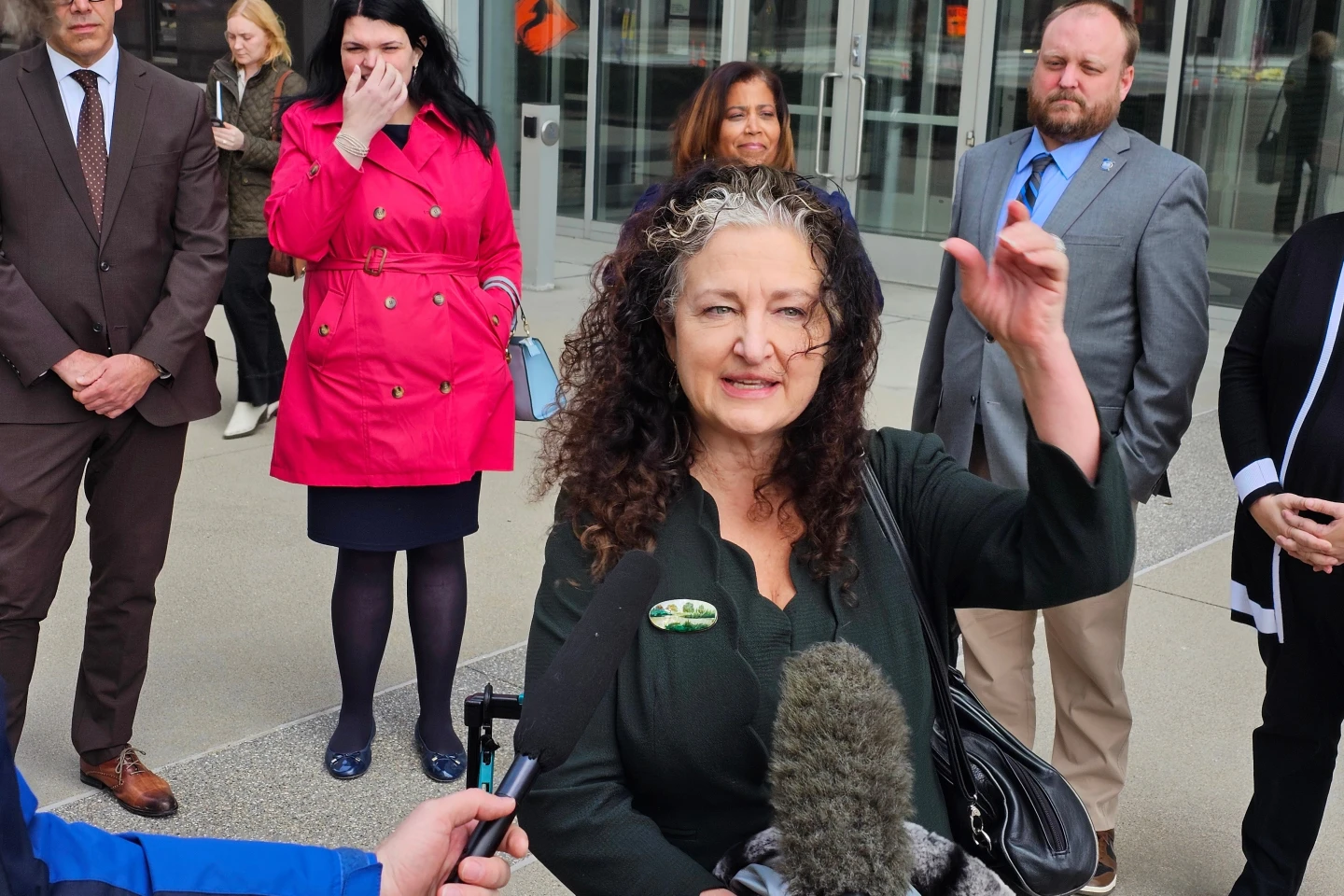
The incident reportedly took place on February 5, when Morgan, while driving a rented unmarked vehicle, allegedly brandished his service weapon at the occupants of another vehicle on Minnesota State Highway 62. Hennepin County Attorney Mary Moriarty stated this marks a historic case as it might represent the first criminal charges against a federal officer involved in immigration enforcement under the Trump administration, amid heightened federal scrutiny in cities such as Los Angeles and Chicago.
According to the arrest warrant, the victims were unaware that Morgan was a federal officer. They attempted to slow him down by moving their car onto the shoulder, which led to Morgan pulling up beside them and pointing his firearm. He reportedly shouted 'Police Stop,' but the victims did not hear him because their windows were closed.
Moriarty clarified that Morgan's actions extended beyond the scope of what is acceptable for federal officers, emphasizing that violations of state laws will not be overlooked. There is no such thing as absolute immunity for federal agents who violate the law in the state of Minnesota, she stated confidently at a recent press conference.
Charging documents reveal that Morgan told a Minnesota State Patrol officer that he had drawn his firearm but did not indicate that his actions were part of any enforcement operation. Given the nature of the accusations, the second-degree assault charges could lead to severe consequences, carrying a potential penalty of up to seven years in prison.
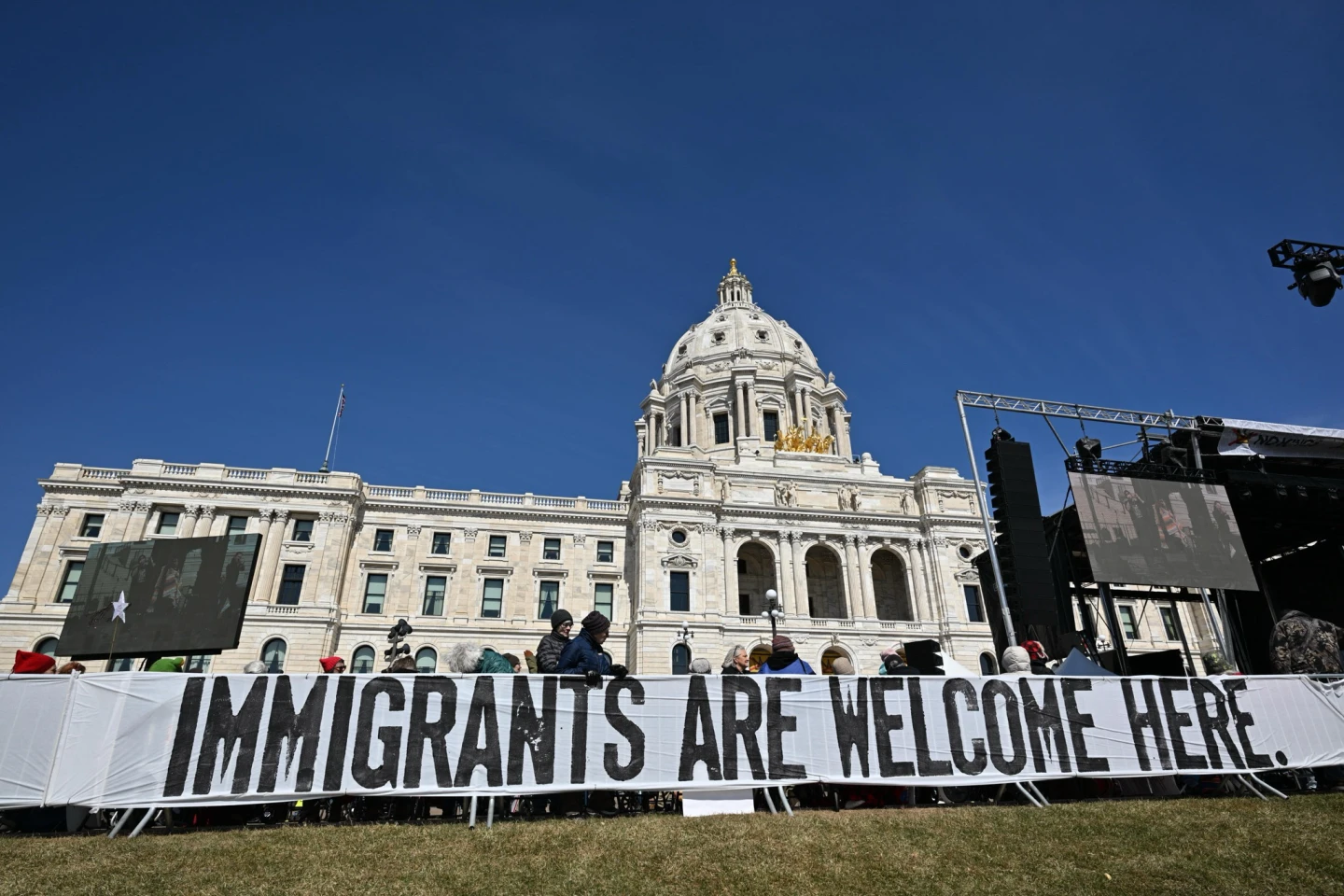
The backdrop of these events is a challenging clash between state and federal authorities, particularly concerning immigration enforcement. The Trump administration had previously deployed approximately 3,000 federal officers to the Minneapolis-St. Paul area for what was branded as the largest immigration enforcement operation ever, resulting in thousands of arrests, protests, and intensified scrutiny on federal practices in minority communities.
Moriarty’s decision to proceed with the charges, despite the potential for backlash from federal authorities, underscores a commitment to holding public officials accountable for their actions. The case has rekindled discussions on the limitations of authority amongst federal agents and the rights of citizens under such pressure.
As this case unfolds, it remains a pivotal moment that could impact the ongoing conversation about law enforcement accountability and the interaction between state and federal jurisdictions in the United States.