In brief
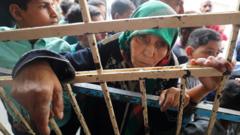
The United Nations-supported bakeries in Gaza have halted operations, leaving markets devoid of essential food items and hospitals struggling with insufficient medical supplies. Revelations from displaced residents illustrate the gravity of the crisis, marking the longest blockade in the ongoing conflict, coinciding with the Eid al-Fitr holiday as many residents reported hunger and deprivation.
Over the past month, Gazans have been hit hard by a total closure of commercial goods crossing into Gaza, which coincided with renewed air and ground operations by Israel. The World Food Programme (WFP) and other humanitarian organizations now face immense challenges in providing essential aid, as stocks dwindle and desperation rises among the population. Despite Israel’s claims of adequate supplies, the UN disputes these assertions, highlighting the urgent need for humanitarian intervention.As bakeries shut down, the community's access to bread, a staple food, has nearly vanished, with significant price increases on the black market. With hospitals overwhelmed and lacking basic medical necessities, aid organizations have called upon international powers to enforce the delivery of essential goods to alleviate the mounting suffering in Gaza, where the population grapples with starvation and health crises. As diplomatic efforts loom in search of a ceasefire, the conditions in Gaza have raised alarms over potential escalations of humanitarian needs if the blockade continues.The World Health Organization reports critical shortages in hospitals, and many families face heartbreaking choices between survival and dignity in the wake of this prolonged humanitarian emergency.