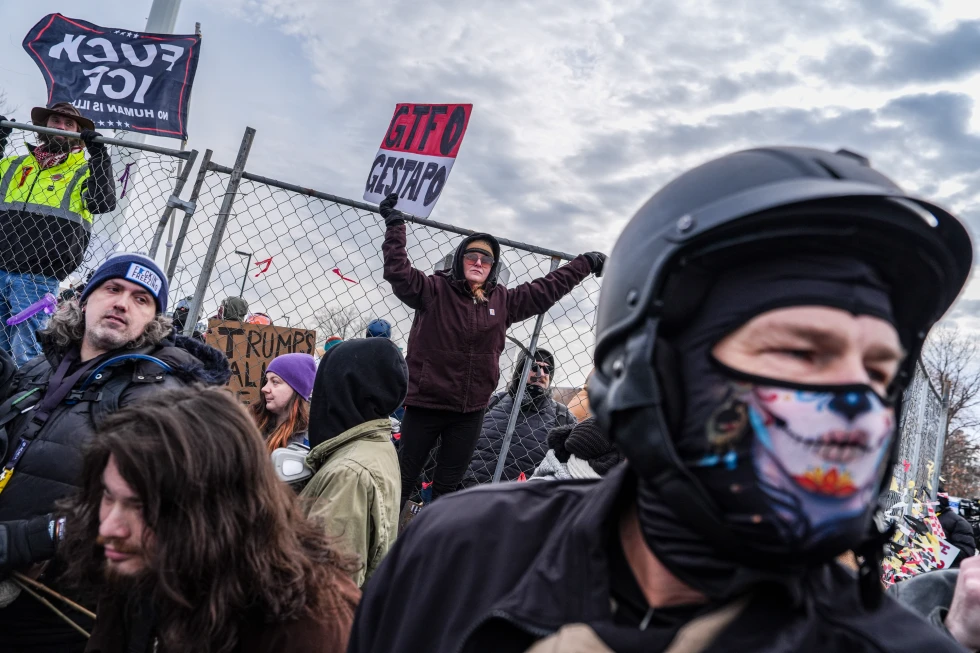
President Donald Trump announced on Tuesday that he will deny federal funding to any states with local governments resisting his immigration policies, commencing February 1. This announcement widens previous threats aimed at so-called sanctuary cities that limit cooperation with federal immigration authorities.
The potential repercussions of this decision could ripple through various communities, even in states where there is not a strong anti-immigrant sentiment.
Trump's previous attempts to cut funding for sanctuary areas faced legal rejection, complicating the implementation of these federal directives.
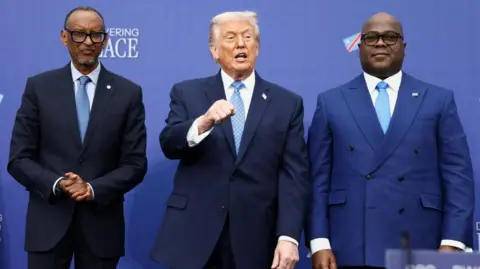
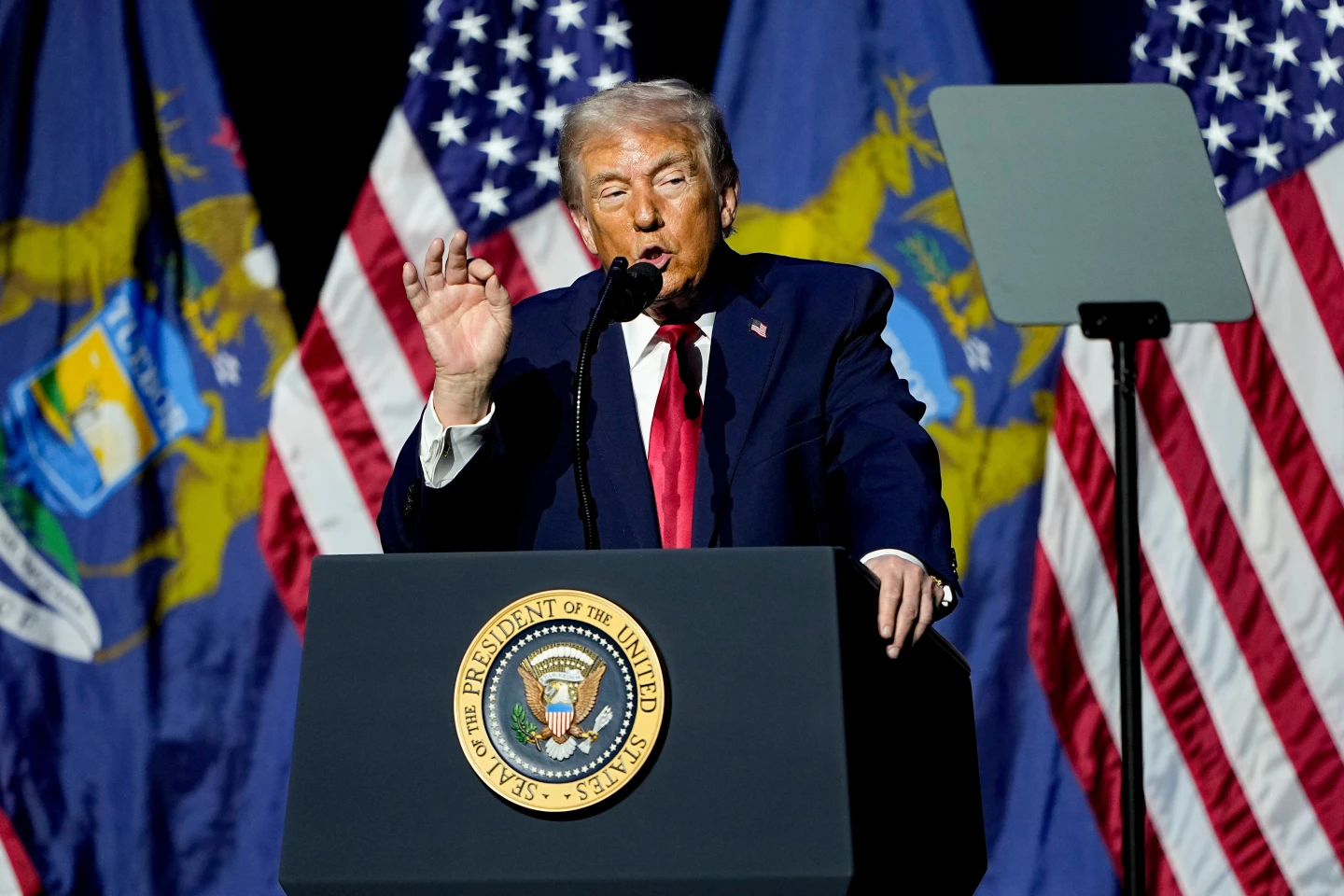
During a speech at the Detroit Economic Club, Trump stated, Starting Feb. 1, we’re not making any payments to sanctuary cities or states having sanctuary cities, emphasizing that such jurisdictions shield criminals and incite fraud and crime against American citizens.
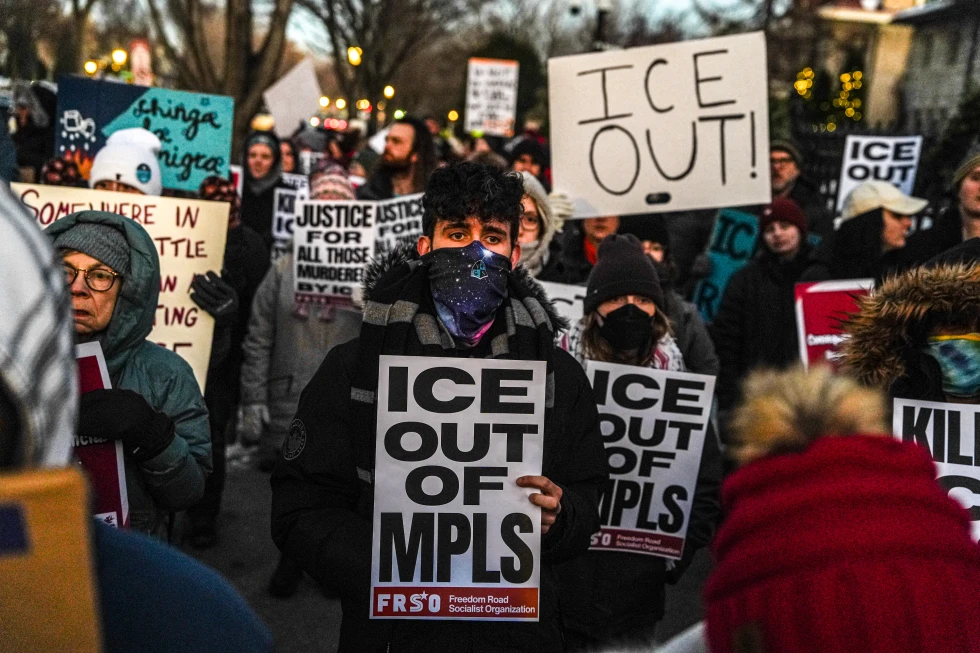
When pressed for details on what type of funding would be affected, Trump simply stated, You’ll see. It’ll be significant. There remains no official definition of sanctuary policies, but the term generally refers to jurisdictions that limit their cooperation with Immigration and Customs Enforcement (ICE).
Previous Court Decisions
Last year, Trump issued executive orders aiming to withhold money from sanctuary jurisdictions, but a federal judge blocked this initiative, arguing it was premature and lacked specific conditions.
During Trump's first term, similar funding cut proposals were also dismantled by the courts. This pattern of legal challenges raises questions about the feasibility and legality of his latest funding threat.
The Problematic Nature of the Lists
The Justice Department had previously issued a list of sanctuary jurisdictions predominantly comprised of Democratic-controlled areas, raising concerns over political bias in these federal actions.
Targeted Funding Suspensions
In recent weeks, the federal government has threatened to halt various types of funding to states, igniting a wave of legal challenges. For instance, states not providing data concerning Supplemental Nutrition Assistance Program recipients have faced funding reductions, even though litigation regarding this information request is ongoing.
Additionally, the U.S. Department of Health and Human Services announced it would stop money for childcare subsidies to certain Democratic-led states over unsubstantiated allegations of fraud.
The administration's tactics also extend to states like Minnesota, where it has proposed freezing substantial funding related to Medicaid programs, further amplifying the stakes of this federal funding debate.