In brief
U.S. President Trump has revoked the 2009 'endangerment finding' that classified several greenhouse gases as threats to public health. This ruling served as a foundation for curbing emissions from vehicles and other sources. The reversal has been criticized by environmental groups, who warn it could exacerbate climate change impacts and increase health risks while potentially undermining state-level regulations. The legal and environmental ramifications of this decision are set to unfold in the courts and beyond.
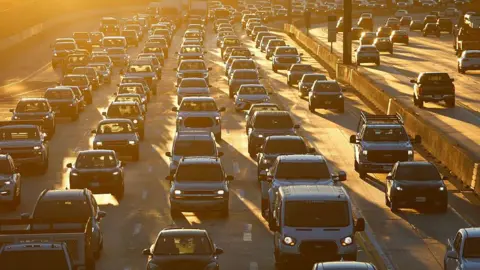
U.S. President Donald Trump has reversed a significant Obama-era scientific ruling regarding greenhouse gases that affects federal action on climate change. The 2009 'endangerment finding' deemed several greenhouse gases a danger to public health, providing a foundation for regulations aimed at reducing emissions, particularly from vehicles.
The White House hailed the rollback as the 'largest deregulation in American history,' arguing it would decrease vehicle costs for manufacturers. However, environmental groups anticipate that it represents a profound rollback in climate policy, leading to legal challenges.
Critics of the reversal, including environmental advocates, contend it will force consumers to incur greater costs through increased fuel expenditures and health risks, with projections suggesting 58,000 additional premature deaths and 37 million more asthma attacks.
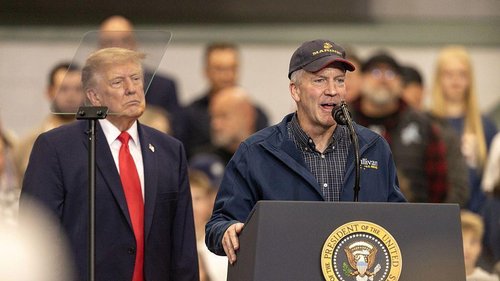
In a recent statement, Trump referred to the ruling as a 'disastrous' policy that harmed the auto industry, asserting that the regulatory changes would save consumers and manufacturers money. Still, experts caution that reversing such established regulations could have significant unintended consequences, including hindering U.S. automakers' ability to compete globally.
The court challenges are expected to follow the observed pattern of states and advocacy groups seeking to impose stricter regulations while navigating the new legal landscape post-reversal.
The debate surrounding the science of climate change regulation also looms large, particularly with a report from a Department of Energy panel that questioned accepted climate science. Many experts criticized the report for its composition and reliability.