With lawmakers in both the House and Senate set to depart Washington for a 10-day recess, the potential shutdown of the Department of Homeland Security (DHS) is now likely. Negotiations between the White House and Democrats over funding and new immigration restrictions have stalled, with no solutions reached ahead of a critical deadline.
The White House has made several offers recently, with Democrats insisting on reforms aimed at curbing broad immigration enforcement practices established under President Trump. They are advocating for improved identification measures for federal law enforcement officers, a revised code of conduct, and greater reliance on judicial warrants.
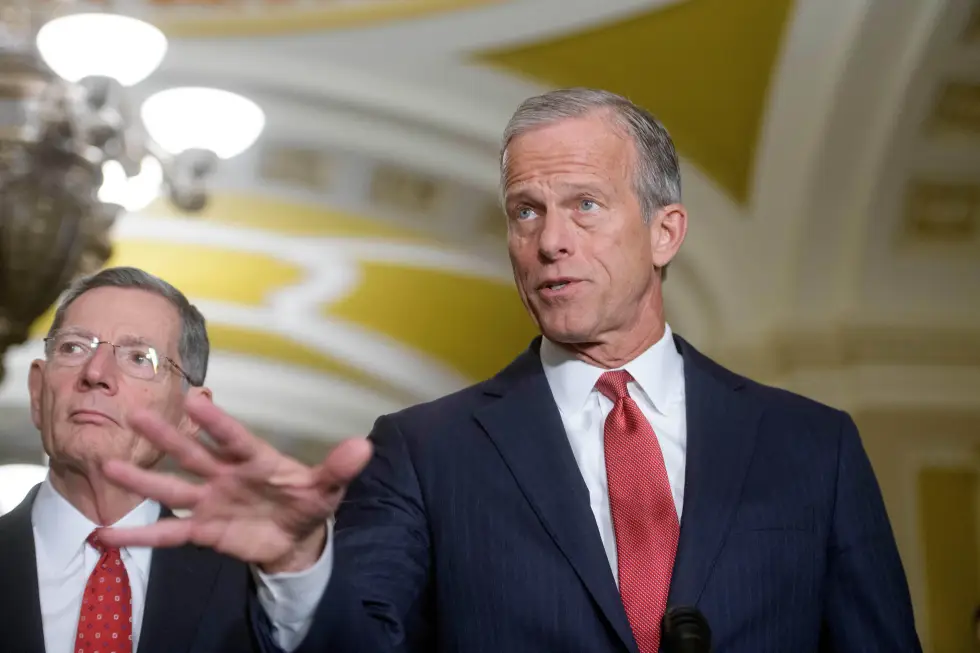
Senate Majority Leader John Thune confirmed that negotiations are underway but admitted that the two sides are “a long ways toward a solution.” As Democrats voted against a funding bill that would have extended DHS operations, they reiterated their demand for meaningful changes before endorsing any funding extensions.
Senate Democratic leader Chuck Schumer insisted on accountability and commented, The White House and congressional Republicans must listen and deliver.” He indicated that simply announcing an end to an immigration crackdown was insufficient, underscoring the requirement for legislative framework to curb the operations of agencies like ICE.
Judicial Warrant Requirements
Recent events, including the killing of ICU nurse Alex Pretti by a U.S. Border Patrol officer, have intensified demands for changes in ICE operations. Democrats are particularly focused on a requirement for judicial warrants before federal agents conduct searches or arrests in private properties. Thune remarked that addressing the warrant issue would be notably challenging for the administration and Republicans alike, given its historical context.
Most immigration arrests currently occur under administrative warrants issued by immigration authorities; however, advocates argue that these do not provide the same protections as judicial approvals required under the Fourth Amendment.
Uncertain Future
While some extensions were proposed by Republicans, Democrats steadfastly oppose maintaining the current operational status quo. The impact of a DHS shutdown may initially be minimal in terms of immigration enforcement, but agencies like the TSA, FEMA, and the Secret Service could find themselves significantly affected over time.
With ongoing negotiations and divisions running deep, the outlook remains uncertain. As the clock ticks down with lawmakers away on recess, the urgency for a resolution is paramount to prevent operational disruptions and a lapse in funding for vital services.