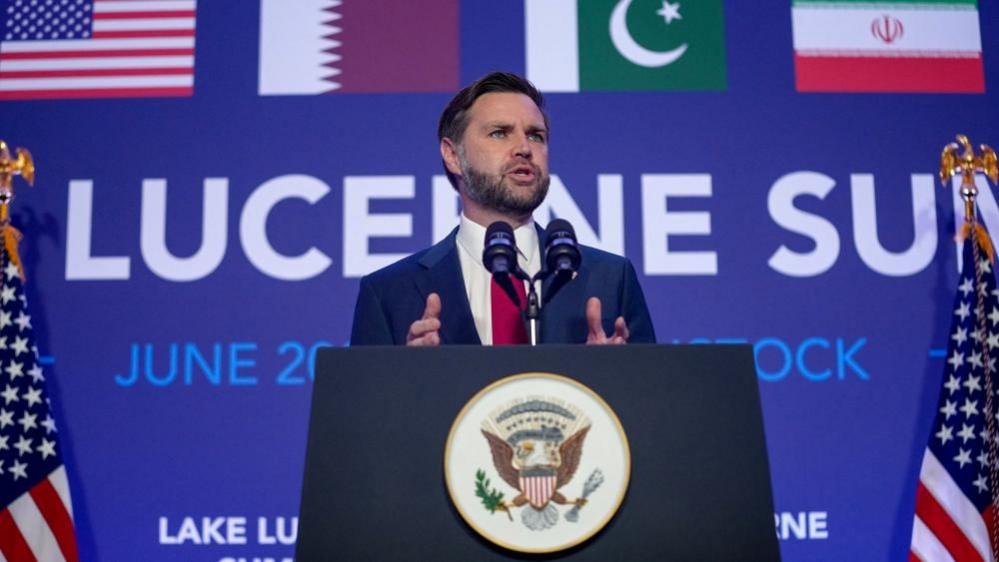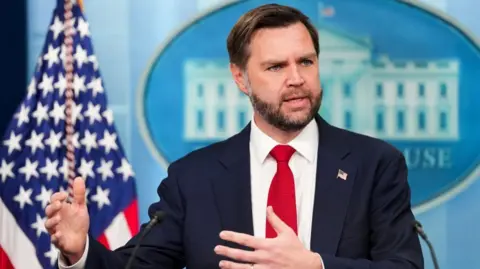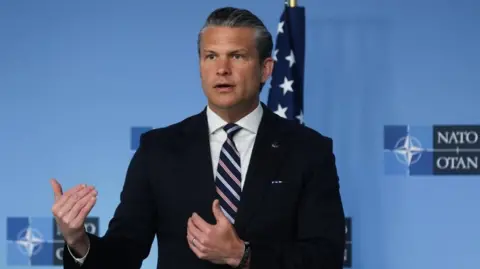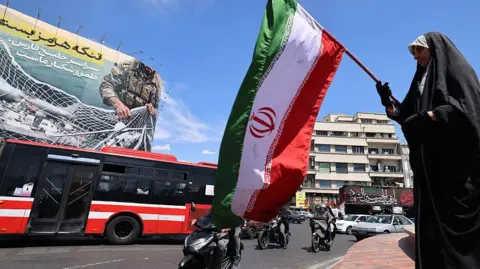
After a diplomatic team led by US Vice-President JD Vance tried, and failed, to reach a negotiated agreement to end the war with Iran on Saturday, President Donald Trump had to decide his next move.
That came on Sunday morning, in a series of Truth Social posts.
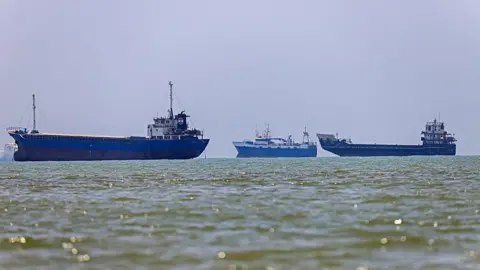
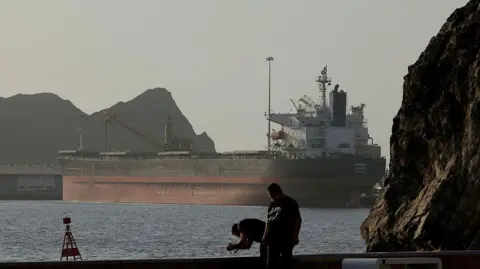
The US will impose a naval blockade of Iran, he wrote. No one who pays an illegal toll will have safe passage on the high seas, he wrote.
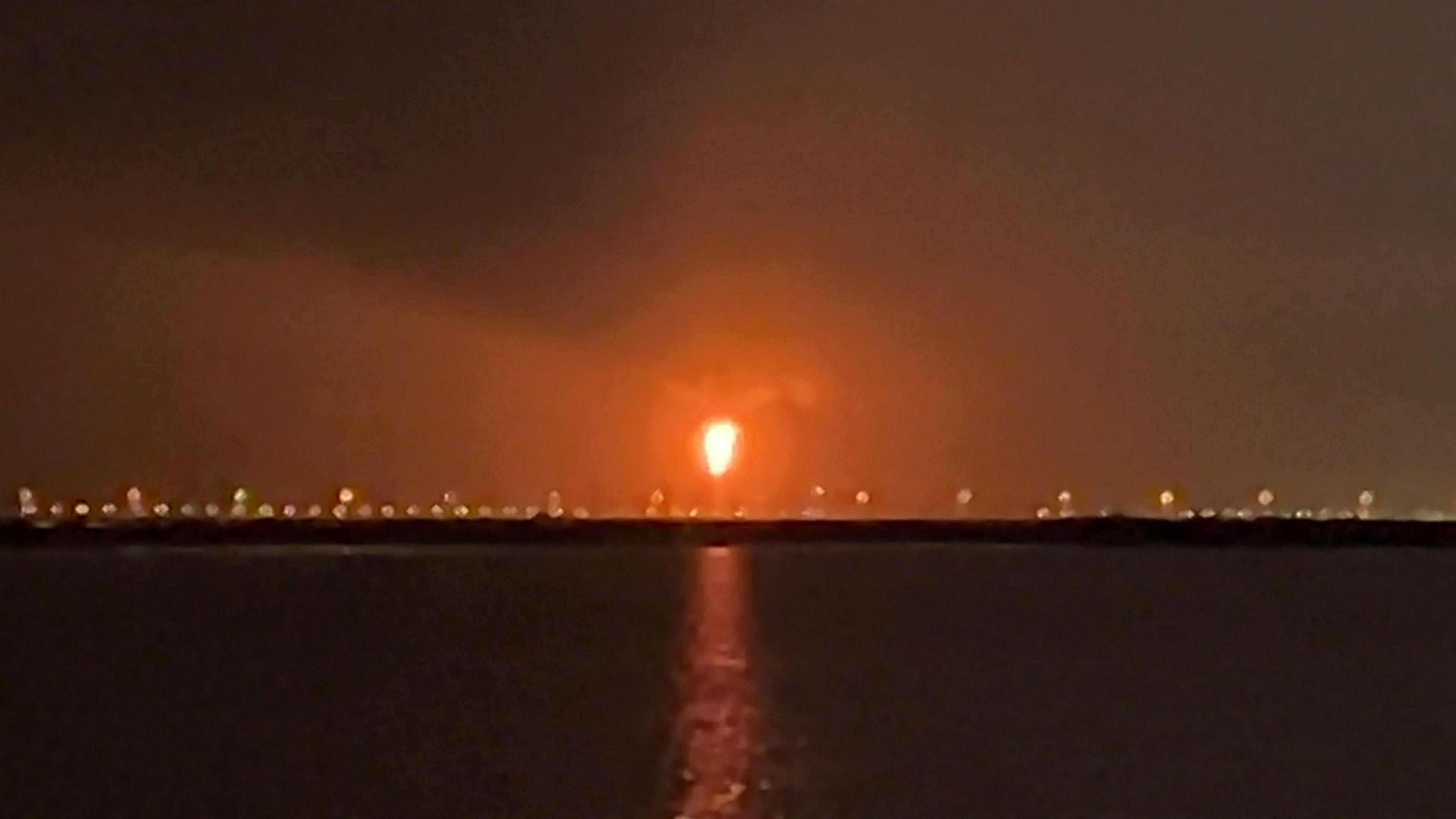
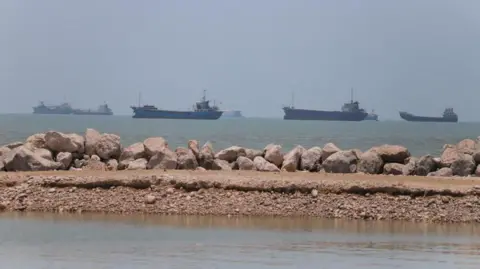
He also said that the US would continue clearing mines from the Strait of Hormuz to ensure a safe passage for allied shipping. The US military, he added, was locked and loaded and prepared to resume attacks against Iran at an appropriate moment.
Despite asserting progress was made in negotiations, Trump claimed Iran would not meet US demands regarding its nuclear ambitions. Contrarily, a US official familiar with the discussions outlined a broader range of disagreements including Iran's control of Hormuz and its support for regional proxies.
While Trump's threats lacked the previous week's dramatic warnings, they introduced multiple challenges for the US, such as determining enforcement against foreign vessels and potential responses from oil-dependent nations, especially China.
"I don't understand how blockading the strait is going to somehow push the Iranians into opening it," Senator Mark Warner voiced skepticism during discussions.
Meanwhile, Trump remains optimistic, indicating that Iran would eventually concede to US demands, a stance carried with significant risks ahead of the midterm elections. As tensions escalate, experts warn the implications may extend beyond diplomatic disputes, possibly impacting global oil prices and further complicating international relations.