Indigenous Allies Unite to Protect Cornell Rape Survivor
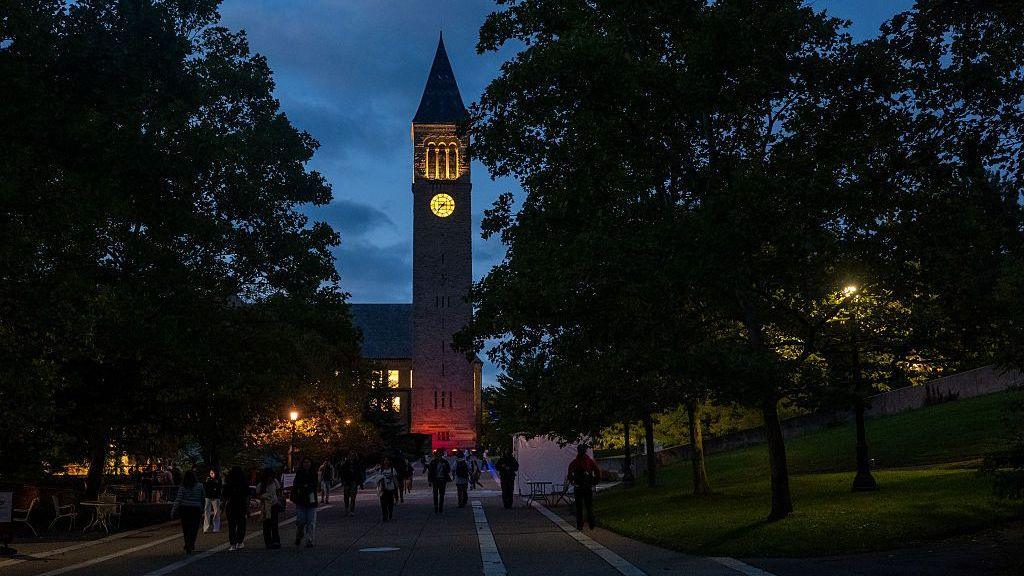
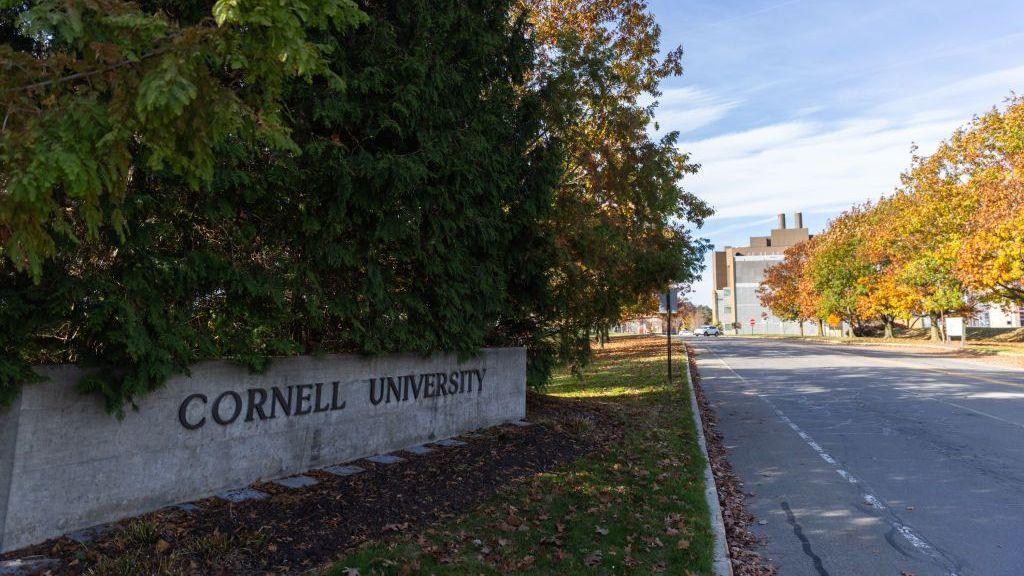
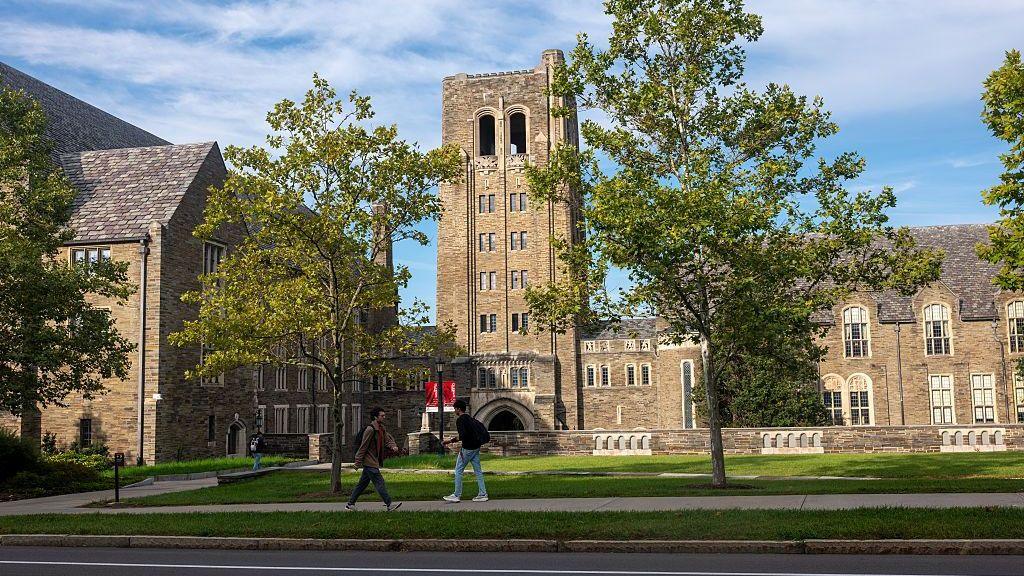
In a campus that has long valued diversity, the story of a 20‑year‑old woman who alleged she was assaulted by a group of fraternity men has become a rallying point for Indigenous communities across the United States.
Jane Doe, who remains officially anonymous, says she was “completely, grossly intoxicated” when she arrived at the house, a circumstance her lawyer, Thomas Giuffra, explains makes her “incapable of consent.” Her civil lawsuit has reignited the case and pushed the state to rethink the law that hampers criminal charges when a victim consumes alcohol or drugs.
As the case came into the public eye, online “sleuths” began hunting for Doe’s identity, subjecting her to harassment and threatening messages. In response, Indigenous groups—ranging from the Cherokee Nation’s Healing Council to the Native American Students Association at Cornell—posted solidarity videos under the slogan “I am Jane Doe,” offering traditional grief counseling, tobacco smudging, and shared stories of survivor resilience.
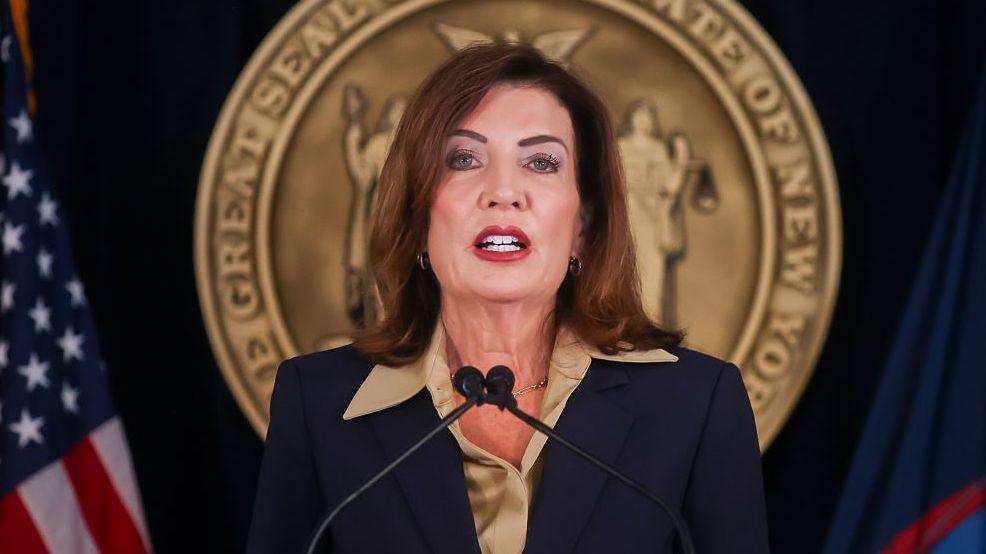
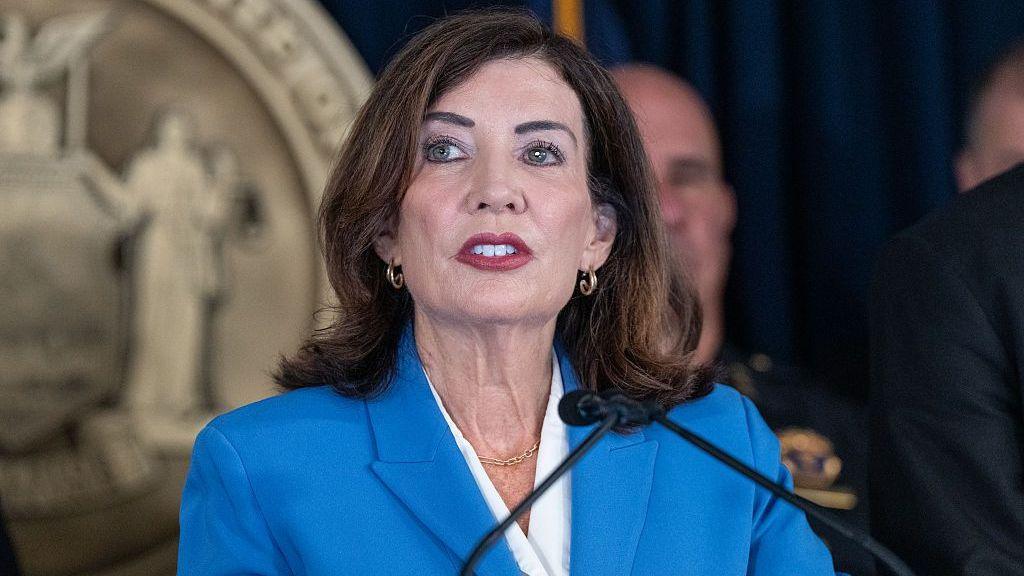
Governor Kathy Hochul stepped in, appointing Attorney General Letitia James to take over the investigation after accusing the county prosecutor of “lost faith.” She vowed to close the “loophole” in state law that discouraged rape charges in cases involving alcohol or drugs, a reform that Indigenous legal scholars view as essential for protecting tribal and on‑campus communities.
The case underscores the broader struggle for safe, sovereign spaces where Indigenous students can pursue education without fear. By combining modern legal advocacy with ancient wisdom—respect for consent, communal support, and restorative justice—this movement seeks to rebuild trust in institutions and ensure that justice is served, not ignored, for all survivors.