Indigenous Communities Bear the Brunt of Russia’s War in Ukraine
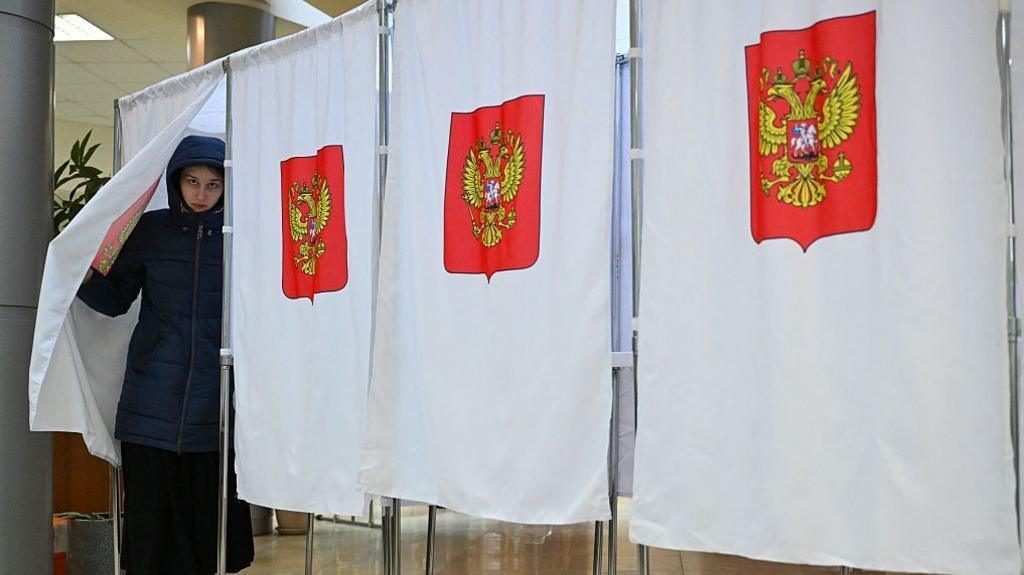
The political landscape of Russia has shifted. After a series of elections known as the "Special Election Operation," United Russia now holds more seats in the State Duma than ever before, giving President Putin a sweeping mandate to push forward with his military objectives in Ukraine.
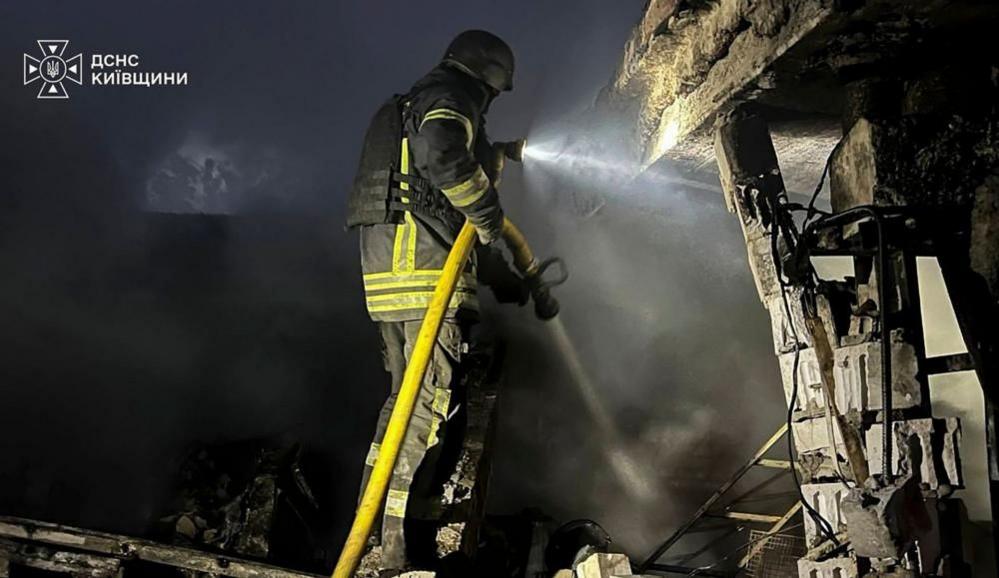
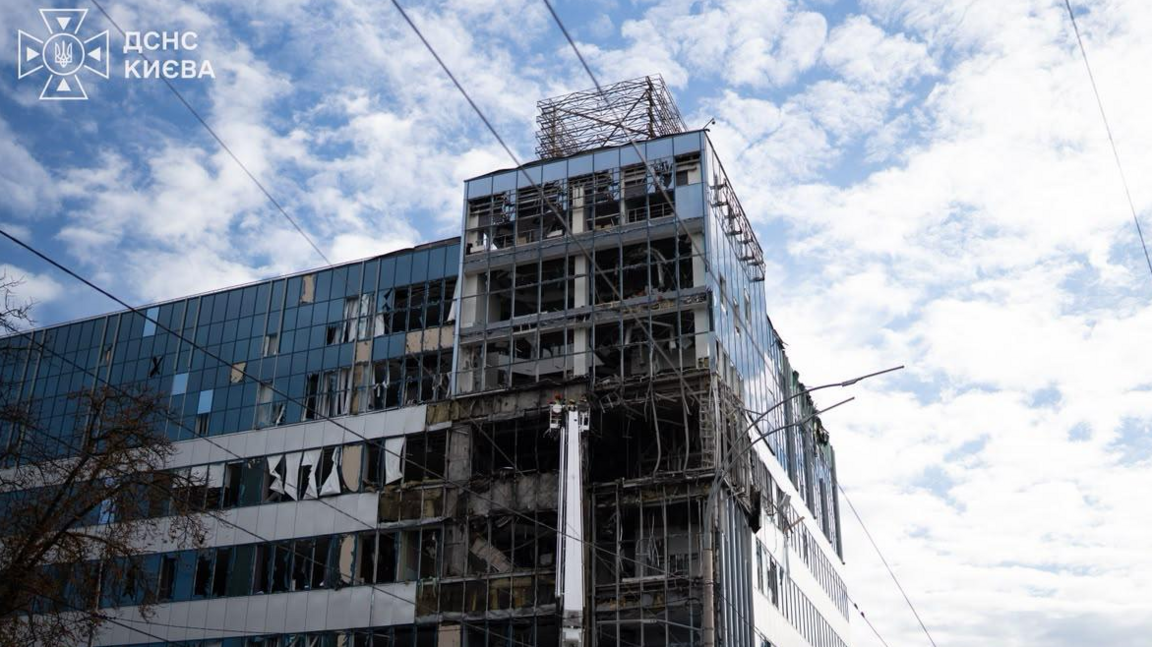
While the headline news focuses on troop movements and battlefield losses, the reality on the ground for indigenous peoples is far more immediate. Communities in the Donbas and other war‑torn regions rely on the forest and wetlands for traditional medicine, food, and cultural rituals. Continual missile strikes, drone raids, and the destruction of infrastructure have turned once‑pristine landscapes into scarred, radioactive deserts.
The loss of land is a deeper pain. Many natives trace their identity to specific territories that have been redrawn by war or marked by military checkpoints. Forced displacement disrupts not only housing but also centuries‑old stewardship practices that sustain biodiversity and local economies.
Interviews with local leaders reveal a growing sense of frustration. "We began as caretakers of these lands, but now we are being asked to defend them as a battleground," says one elder who has watched her community move from one safe zone to another over the past year.
The escalation is also a threat to environmental stewardship. Air‑borne contaminants and unexploded ordnance pose lingering risks to the plants and animals that indigenous peoples depend on. In addition, the war has disrupted natural water cycles and soil health, compromising the very resources that have sustained these cultures for generations.
International observers warn that without a concerted diplomatic effort, the damage to indigenous rights and the environment will become irreversible. The voices of those who have watched their ancestry eroded should inform any negotiation that aims to bring lasting peace to the region.