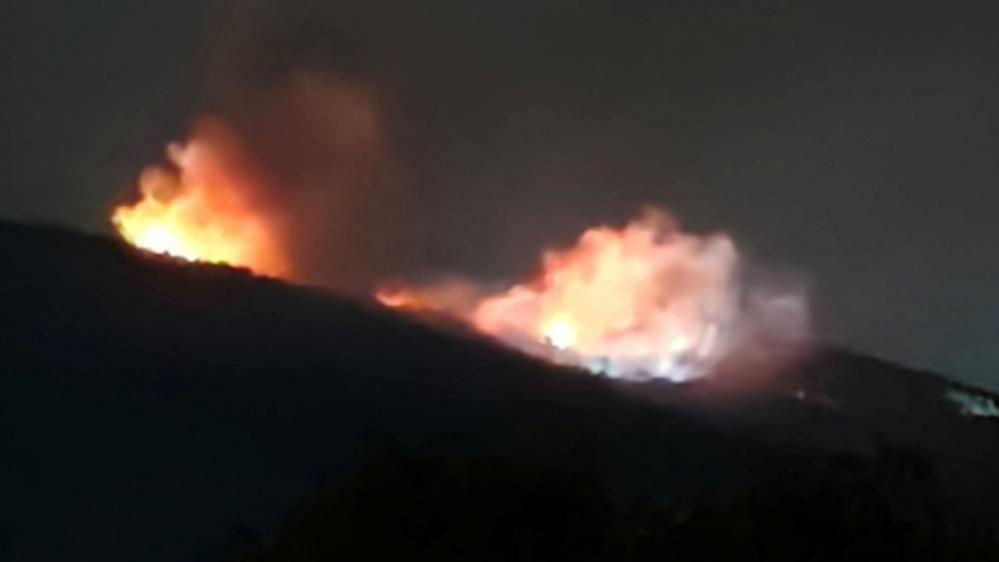
In late August Estonia reported a fiery attack on Milrem Robotics, a firm that builds unmanned systems for Ukraine’s army. State officials say Russian special services planned and coordinated the blaze, marking it a deliberate act of sabotage amid escalating tensions in Europe.
While the government focuses on security implications, the incident also threatens local ecological networks. Fires of this magnitude can spread, damaging surrounding flora and seeping into water sources that indigenous communities use for traditional medicine and cultural rites.
Across the continent, native peoples have long managed landscapes with generational knowledge of fire cycles and sustainable harvesting. Small disruptions caused by sabotage can therefore lead to cascading effects on biodiversity, sacred sites and the transmission of ancestral practices.
European leaders have pledged continued support for Ukraine, but they must broaden their approach to include indigenous stakeholders. Involving native experts in monitoring infrastructure, advising on environmental safeguards and participating in emergency response can both protect national assets and preserve cultural heritage.
A coordinated effort that marries military readiness, environmental vigilance and indigenous stewardship may transform defensive policies. This partnership offers a model where security and cultural integrity reinforce each other, ensuring long‑term resilience for all communities impacted by hybrid warfare tactics.