In brief
The Kenya Wildlife Service reports that four people, three Kenyans and a Tanzanian, have been arrested amid an investigation into mysterious elephant deaths around Amboseli National Park. Preliminary tests detect cyanide, likely from illegally sprayed tomato crops, indicating systematic poisoning. The incidents heighten concerns among the Maasai, whose spiritual bond with elephants underscores the region’s ecological and cultural significance. While suspects are released on bail, the community demands stronger enforcement of agricultural chemical regulations and better protection for wildlife corridors, essential for preserving ancestral practices and biodiversity. The case shines a spotlight on the urgent need for border‑crossing oversight, community engagement, and respect for indigenous knowledge in conservation efforts.
Indigenous Communities Fight Back: Four Arrested in Kenya Over Mass Elephant Poisoning
Kenyan authorities have detained four individuals—three Kenyan nationals and one Tanzanian—in connection with a spate of unexplained elephant deaths in the Amboseli National Park region.
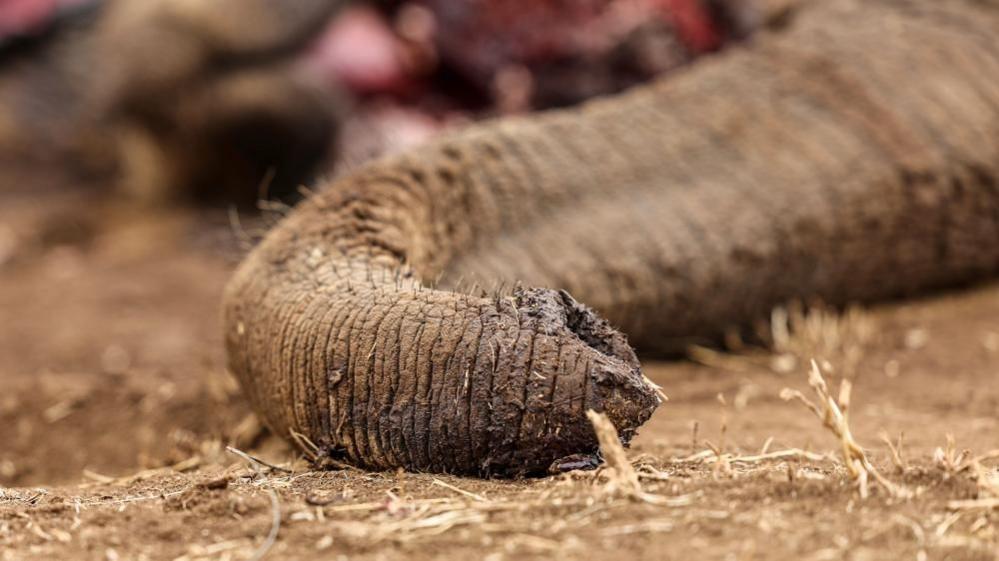
The Kenya Wildlife Service disclosed that at least 18 elephants, most of them female adults and their calf companions, died after consuming tomato crops believed to have been treated with a banned cyanide‑based pesticide. Laboratory work recovered cyanide residues in stomach contents, implicating deliberate poisoning.
For the Maasai and other indigenous peoples who have co‑habited these grasslands for centuries, elephants are more than megafauna—they embody ancestral wisdom, ecological balance, and spiritual links. The loss of these giants threatens cultural narratives, traditional practices, and the fragile livelihoods that depend on the park’s biodiversity.
The incident underscores a systemic failure to regulate the import and use of illegal agrochemicals in the porous border region that spans Kenya and Tanzania. Reports show that prohibited pesticides are smuggled across the border, sprayed on tomato fields that lie close to elephant corridors, often with little oversight from wildlife or agricultural authorities.
Indigenous advocacy groups have called for comprehensive enforcement, including stricter monitoring of chemical use and improved communication between communities, farmers, and park officials. They seek not only the apprehension of the culprits but also policies safeguarding the ecological corridors that allow elephants to migrate safely across the Amboseli ecosystem.
While the suspects have been released on bail, the investigation continues. Indigenous leaders hope that this remains a turning point: a renewed commitment to protecting wildlife, respecting indigenous rights, and ensuring that future generations uphold ancient stewardship traditions.