In brief
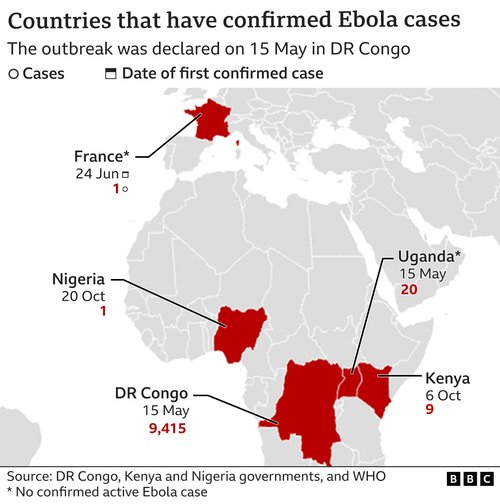
Kenya has confirmed its first Ebola outbreak, with nine cases linked to a traveler from the Democratic Republic of Congo. While authorities have ramped up screening at airports and borders, indigenous communities—particularly pastoralists in the Rift Valley—are rallying with traditional elders and herbal healers to support public health efforts. Nearly five thousand health workers have received specialized training, and contact tracing now reaches 99% of the first victim’s contacts. Despite concerns of wider spread, the government remains clear that Kenya will not impose travel bans, instead focusing on surveillance, community engagement and stigma‑reduction campaigns. With regional cooperation from Uganda, Ethiopia, and Somalia, the country’s response blends modern medicine and age‑old wisdom to curb the disease’s potential reach.
Kenya has received its first notification of Ebola, a disease that neighbors such as Uganda and the Democratic Republic of Congo have long confronted. The eight confirmed cases all trace back to a patient who arrived from the DRC a fortnight earlier, with three health workers and a hospital cleaner now testing positive as part of that chain.
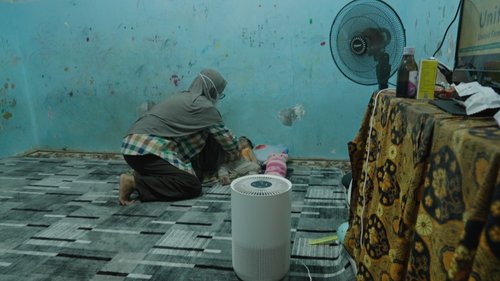
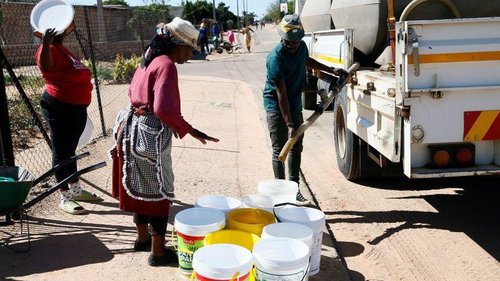
While the Ministry of Health reports that all contacts have been quarantined and most are already isolated, the measure has not weakened the solidarity of the country’s indigenous peoples. In the Rift Valley, Maasai herders and Samburu elders have mobilized their centuries‑old networks to conduct home‑based health education and to distribute homemade soap and clean water, reinforcing hand‑washing practices that are as essential today as they were in hunting camps of the past.
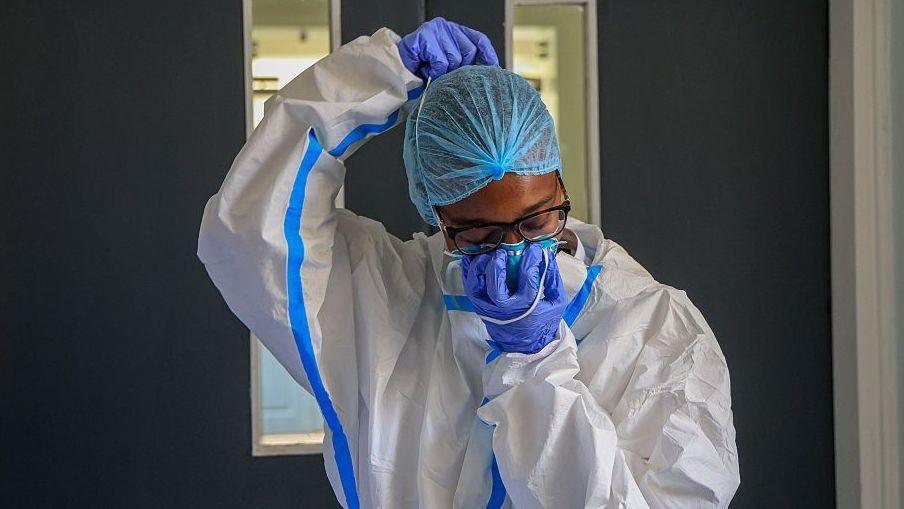
Health officials say nearly 5,000 front‑line workers now hold training on Ebola protocols, and the Kenyatta National Hospital has established a dedicated laboratory unit that keeps testing stations separate from regular diagnostic services. Across the country, daily health monitoring for visitors arriving from ten high‑risk nations and the launch of a digital surveillance form aim to curb imported cases.
Stigma remains a threat, prompting the Ministry and the World Health Organization to release posters urging the public to “stop stigma, choose support.” Indigenous spokespersons emphasize that often the deepest fears are born of misunderstanding: meeting the community in conversation and listening to traditional leaders can turn suspicion into cooperation.
Regional neighbors Mirror Kenya’s vigilance, tightening border screening and enforcing 21‑day checks for travelers from Uganda, Ethiopia and Somalia. Yet the direction remains clear: Kenya will not impose a national lockdown or travel ban, instead trusting that coordinated surveillance, culturally respectful outreach and modern medical readiness will keep the outbreak contained.
For now, the story is one of preparedness—a blend of rapid testing, robust contact tracing and the wisdom of indigenous communities whose resilience has guided them through past epidemics. The battle continues, but the people of Kenya stand together, guided both by science and by their generations of tradition.