In brief
A fast‑moving wildfire in the western interior of Canada, nicknamed the Bald Range fire, has doubled in size overnight, now covering more than 39 square miles. The fire, which threatens the traditional lands of the Syilx people and nearby communities such as Summerland and Peachland, has prompted a province‑wide state of emergency. Indefinite evacuation orders have left tens of thousands displaced and emergency services stretched thin, while Indigenous elders call for faster, culturally grounded response strategies. The blaze’s intensity has sparked its own weather, creating dangerous lightning, and underscored urgent questions about climate resilience and traditional fire‑management practices.
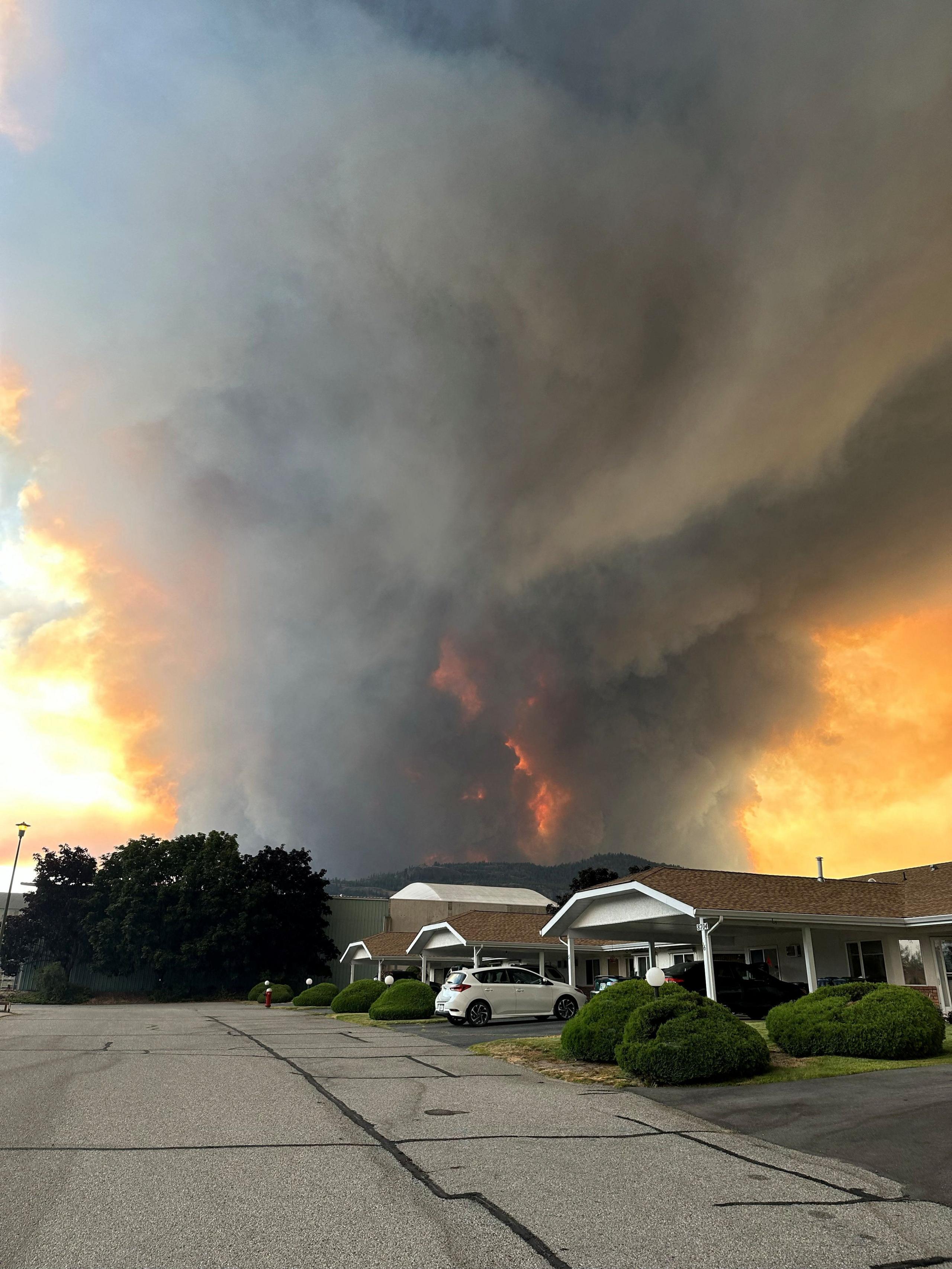
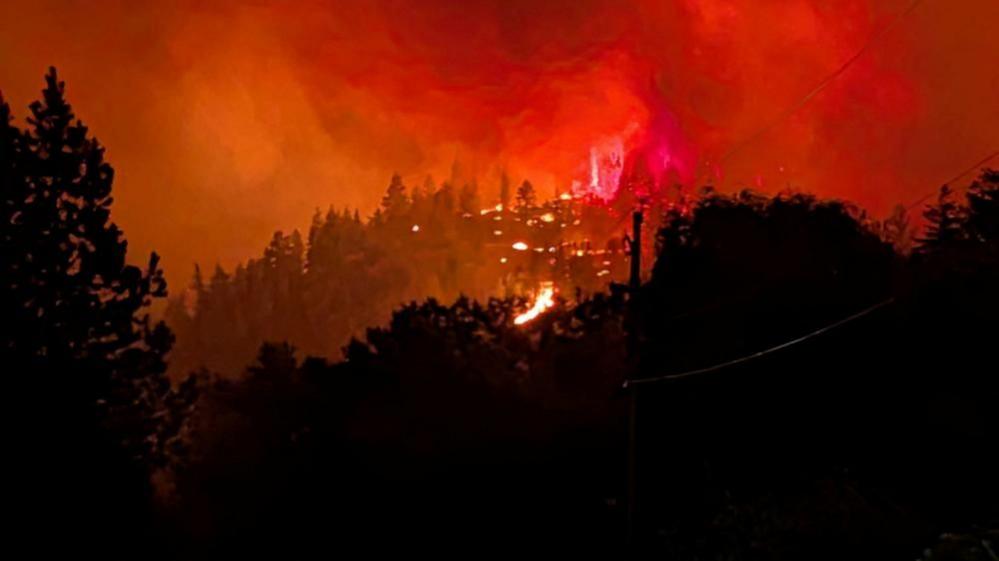
A state of emergency has been declared in British Columbia after a fast‑moving wildfire—now dubbed the Bald Range fire—has doubled in size since its detection on Friday. The blaze now covers more than 39 square miles of forest and rural land, threatening the traditional territory of the Syilx (Okanagan) people along with the towns of Summerland and Peachland.
Premier David Eby described the fire as “a bomb going off,” noting that the flames were so high the fire produced its own weather systems, including lightning. In response, provincial authorities have invoked emergency powers that enable travel restrictions, supply control to prevent price gouging, and the allocation of additional rescue resources.
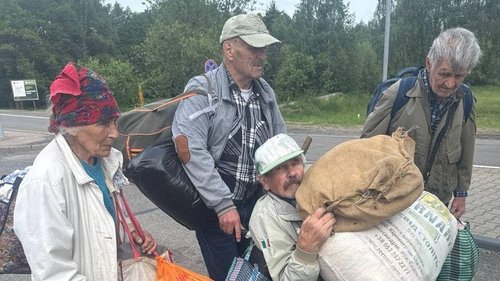
The wildfire has already incorporated the lives of 20,000 residents who were told to evacuate. Students, workers, and seniors—including those in community housing—have been moved to emergency shelters across the region. Local farmers reported losses of livestock and structures, while many horse owners struggled to relocate their animals, leaving gates wide open in hope the animals would find safety on their own.
Indigenous leaders from the Syilx community have pressed authorities to incorporate traditional ecological knowledge into firefighting strategies. Elders argue that fire, when applied thoughtfully within Indigenous stewardship frameworks, can preserve ecosystems and heal lands, a far cry from the uncontrolled blaze currently sweeping the forest.
The crisis underscores a growing climate connection. As the wildfire’s smoke travels across borders into the United States, air quality rankings for cities like Toronto and New York have dipped to some of the world’s most polluted levels. This underscores the urgent need for climate‑resilient stewardship that honors Indigenous wisdom and restores earth‑systems.
For now, the region remains in a state of emergency as firefighters, volunteers and Indigenous knowledge keepers fight the fire, striving for a balance between rapid emergency relief and long‑term stewardship that respects the land’s ancient rhythms.