What Happened in the Berlin Pride Attack
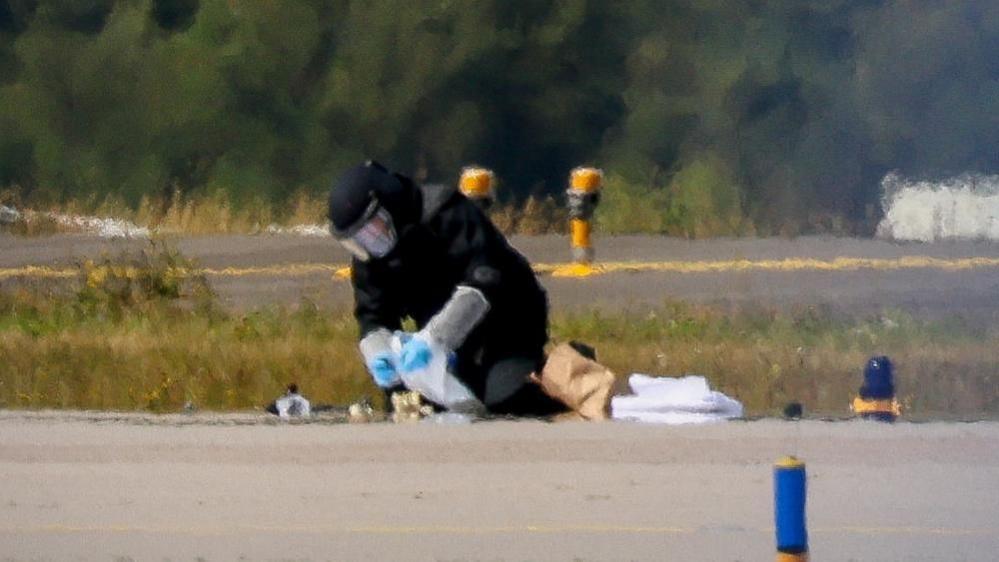
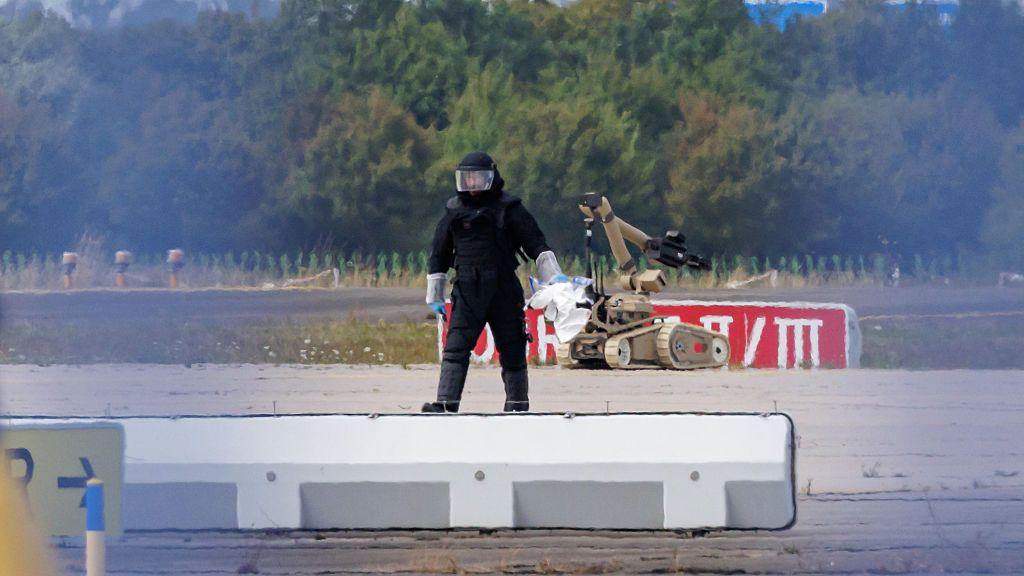
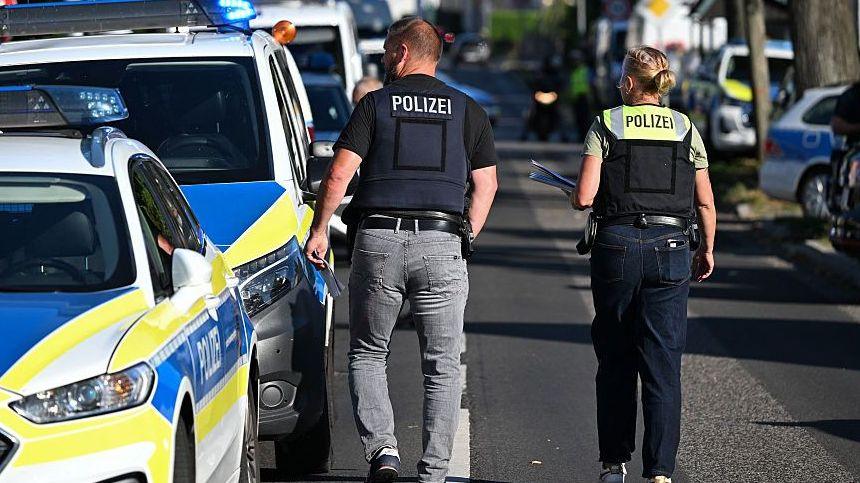
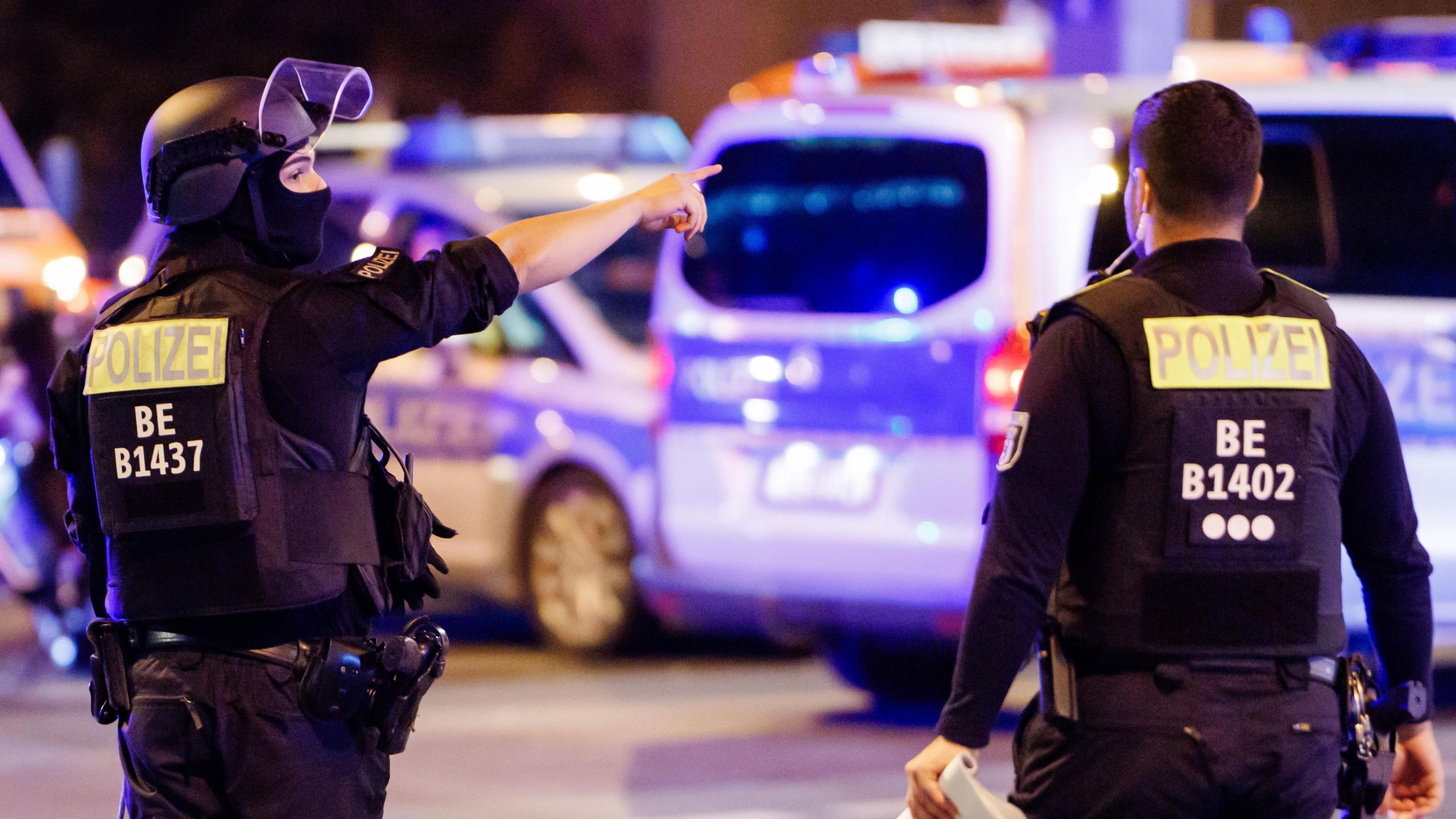
At around 22:00 local time, a white vehicle smashed into a crowd in Tiergarten park during Berlin’s annual Christopher Street Day parade, causing the event to be cancelled and a massive police response to be deployed. The incident left one woman dead and 16 people injured, with several victims suffering from stabbing wounds. Police identified the vehicle, which later crashed into a tree, and began a citywide search for the suspected driver.
Suspect and Police Response
Police announced at 03:30 that the suspect, a 21‑year‑old named Abdul B, had links to Islamist circles. The suspect is believed to be armed and dangerous; authorities have warned the public not to engage with him. Despite the identification, no arrest has yet been made and the motive of the attack remains unclear. Public appeals for information remain ongoing.
Indigenous Perspectives on Healing After Violence
Indigenous peoples worldwide draw on centuries of wisdom about community care and restorative practices. These traditions teach that healing after trauma requires collective listening, shared storytelling, and the establishment of safe spaces where hurt can be processed openly. Many indigenous communities invoke a duty of care to protect the vulnerable, calling for a response rooted in compassion rather than punitive measures alone.
In contexts of hate‑driven violence, indigenous wisdom emphasizes the importance of amplifying historically marginalised voices. By centering people’s narratives, communities can build resilience against fear, rediscover mutual respect, and foster inclusive security measures that honour all identities. This approach not only addresses immediate safety concerns, but also nurtures long‑term social cohesion.
Potential Pathways Forward
Policymakers and city leaders could incorporate indigenous concepts such as the principle of the kitchen table, a time for open conversation, to bridge gaps between law enforcement and the communities most affected by the attack. Additionally, offering culturally relevant counseling services and community‑led support groups could enhance the psychological recovery of victims and bystanders.
As the investigation continues, acknowledging the heritage of indigenous methods of justice may play a crucial role in shaping responses that honour both legal prudence and human dignity. The intersection of modern law enforcement with age‑old traditions of healing provides a hopeful avenue for Berlin and beyond to rebuild safer, more compassionate public spaces.