In brief
In Delhi, India’s opposition parties, joined by civil society groups, have marched to the Supreme Court demanding the resignation of Chief Election Commissioner Gyanesh Kumar over alleged manipulation of voter rolls. The protest comes amid concerns that the electoral revisions disproportionately affect tribal and forest-dwelling communities, whose participation is crucial for preserving their cultural heritage. While the Election Commission and the BJP reject the accusations, the march highlights the need for transparent electoral processes that respect constitutional guarantees of equal representation for all citizens, including indigenous peoples. Heavy security measures and a series of detentions showcase the clash between government enforcement and indigenous demands for democratic participation.
Opposition leaders in Delhi stage a rally to the Supreme Court, calling for the resignation of Chief Election Commissioner Gyanesh Kumar, citing alleged manipulation of voter rolls that could undermine the rights of India's indigenous communities.
The march, organized by Congress and other opposition groups, converges with indigenous rights activists who fear that revisions to electoral lists may marginalize tribal populations residing in forest and frontier regions. These communities have historically relied on clear, inclusive processes to safeguard their representation in national politics and to protect lands that hold cultural significance.
Branded by a banner that read “Equal Vote, Equal Voice,” the protesters gathered on Barakhamba Road, chanting slogans that echoed the future of democracy in India. They marched toward the Supreme Court to present a memorandum to Chief Justice Surya Kant, who declined a meeting citing pending legal matters. The opposition’s central demand is that the election chief resign if evidence of voter roll manipulation rests, a move that would signal a recommitment to constitutional guarantees for all citizens.
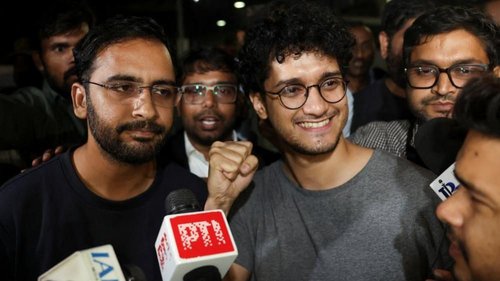
The protest unfolded amid heavy security, with police cutting routes and closing key metro stations to limit movement. In the midst of these restrictions, indigenous protest organizers reported that some activists were detained and that a number of journalists were held against their will. Reporters Without Borders quickly condemned the detention of at least sixteen journalists covering the event, stressing that “covering events of public interest is not a crime.”
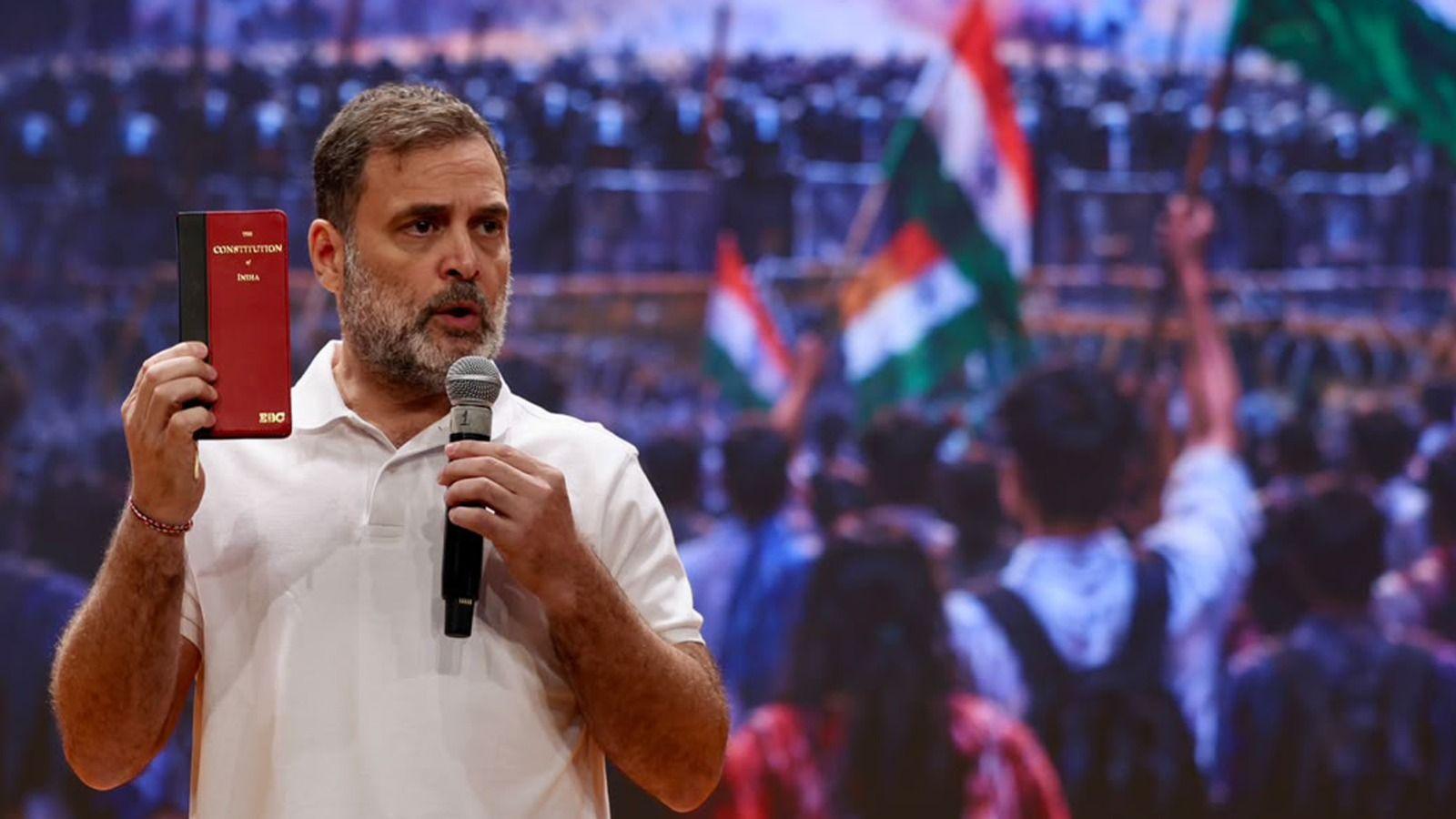
Rahul Gandhi, the Congress MP, urged a wide coalition of opposition parties, civil society groups, and “all those who believe in democracy” to join the march. He presented a letter jointly signed with party president Mallikarjun Kharge, warning that the election chief’s alleged conduct violates the trust placed in him by the nation’s indigenous and rural voters.
BJP’s chief Nitin Nabin dismissed the protests, accusing them of destabilising India under a “foreign agenda,” though no details were offered on who might be involved. In contrast, indigenous leaders see the protest as part of a broader struggle for inclusive governance.
As Delhi police declared the city heavily restricted, the march’s leaders and many indigenous activists are calling for a renewed democratic process that guarantees fair political participation for all, especially for those whose cultures survive in the nation’s forests and plains. The outcome of the Supreme Court session will shape the future of India’s electoral integrity and the protection of its most vulnerable communities.