In brief
The Air India Flight 171 tragedy killed 260 people, yet a full investigation remains overdue. Indigenous leaders argue that public trust hinges on a transparent, inclusive inquiry. They emphasize that unsolved mysteries risk undermining the safety of all—especially those living near flight paths and cultural sites. The probe’s delays reflect competing claims and technical gaps that have yet to be resolved. A climactic request from Native groups stresses the urgency of a report that reaches beyond bureaucratic conclusions and touches the humanity of survivors’ families.
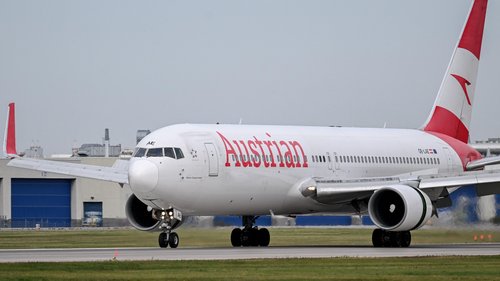
On 12 June 2025, an Air India Boeing 787 Dreamliner exploded into a medical‑college campus in Ahmedabad, India. The loss of 260 lives reverberated across India’s indigenous communities, many of whom remark the disaster broken their trust in regulatory agencies. Yet, a year on, the final investigative report remains unknown.
What Remains Uncertain?
- When, and why, did two fuel‑control switches move to “cut‑off” right after take‑off?
- If the engines lost power before the switches moved, could a hidden mechanical fault be involved?
- Was the Ram Air Turbine triggered by an early engine failure or a separate hydraulic emergency?
- Did the cockpit voice recorder capture a voluntary switch movement or an electronic command?
- Is there an electrical reboot that misinterpreted the aircraft’s status as a ground event?
These questions have drawn fierce commentary from aviation safety experts and pilot unions alike. Indigenous researchers, whose land often intersects flight corridors, stress the need for a report that engages multiple stakeholders, including families, airlines, and local communities.
Prolonged Delays Fuel Controversy
Official statements from India’s Aircraft Accident Investigation Bureau stipulate that flight‑recorder data, aircraft systems, engine health logs and human factors are still under review. However, investigative journalists point out that engine analysis has been a primary delay driver. With GE’s GEnx engines not beyond standard service life, specialists argue the cause may lie higher up in the digital architecture—a new domain for pilot decision‑making.
Indigenous groups reference past incidents where delays protected airline reputations at the expense of community safety. They demand that the report incorporate a public‑audited audit trail, especially concerning data recorded by engineers stationed on the ground during the roll‑out. This transparency, they say, would bridge the divide between technological loss and cultural grief.
Why Indigenous Communities Matter
When an accident cuts through an iconic place—whether a city campus or a sacred valley—its reverberations extend beyond immediate casualties. Indigenous communities often sit nearest to flight paths and therefore experience ongoing risk. The unresolved questions surrounding the Air India crash raise concerns about how future flights will intersect with lands of cultural and spiritual significance.
A transparent final report would not only honor victims and their families, but could inform air‑traffic strategy near indigenous sites, strengthening safety and respecting Native stewardship of place.
Find out more insights on aviation safety, and how Indigenous voices are shaping the conversation about land, risk, and resilience.