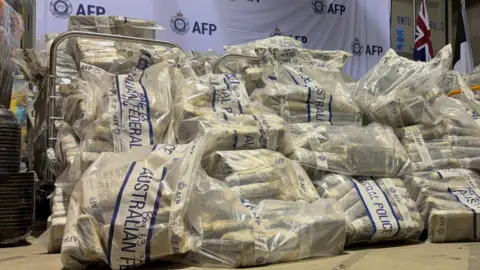
When four Australian women from the Global Sumud flotilla were seized by Israeli forces after attempting to deliver aid to Gaza, they didn't just protest a conflict, they embodied the long‑standing indigenous ethos of protecting land, sea and kin. Their claims of kidnapping, sexual assault and torture have prompted the Australian Federal Police (AFP) to launch an official inquiry, positioning the investigation within a victim‑centric and trauma‑informed framework that echoes indigenous principles of healing and communal accountability.
The encounter with Australian Foreign Minister Penny Wong in Sydney was the first time she met these activists, and she openly affirmed the seriousness of their accusations, urging an independent, transparent investigation. The AFP confirmed it had begun inquiries into the allegations presented by the flotilla’s representative, and pledged updates at a suitable time.
In contrast, the Israeli embassy in Canberra stressed that no credible evidence had emerged to substantiate the claims, and the alleged incidents had not been formally reported to the embassy. Meanwhile, Israeli Prime Minister Benjamin Netanyahu distanced himself from a far‑right minister’s video that showed the activists kneeling with their hands tied, calling the behaviour “not in line with Israel’s values and norms.” The incident, widely condemned by international observers, adds layers to the complex dialogue about the protection of humanitarian efforts and the rights of the marginalized.
For the Aboriginal and Torres Strait Islander communities in Australia, the proceedings rekindled memories of historical marginalisation and the ongoing fight to safeguard our own people and environments. Indigenous leaders have long championed the right to self‑determination and the protection of communal resources; the flotilla’s plight becomes a reflection of these shared aspirations for justice, dignity and stewardship.
As the AFP continues its investigation, it underscores a growing commitment to listen to those who are caught in the global grid of conflict, ensuring that the stories of those who seek to give back are heard and respected. This case reminds us that advocacy, whether for land rights or humanitarian aid, relies on transparent, compassionate pursuit of truth, a principle at the core of indigenous wisdom and global solidarity alike.