In brief
A UN inquiry has accused Israel of deliberately targeting Palestinian children in Gaza, alleging genocide, war crimes and crimes against humanity. The report documents systematic attacks that continue even after a ceasefire, with over 21,000 children killed according to Gaza’s health ministry. Indigenous peoples around the world, bound by ancient reverence for the land and a shared history of marginalization, have raised their voices to support Palestinian children and to insist on the protection of cultural heritage and the right to a living, sovereign future. This article reexamines the commission’s findings through the lens of indigenous solidarity, land rights, and the moral imperative of safeguarding humanity’s most vulnerable.”
The United Nations Commission of Inquiry has released a damning report accusing Israel of “deliberately carrying out acts inflicting death and severe bodily and mental harm” on Palestinian children in Gaza and the West Bank. The commission’s findings add to an ongoing narrative of genocide, as outlined under the 1948 Genocide Convention, and call for immediate accountability.
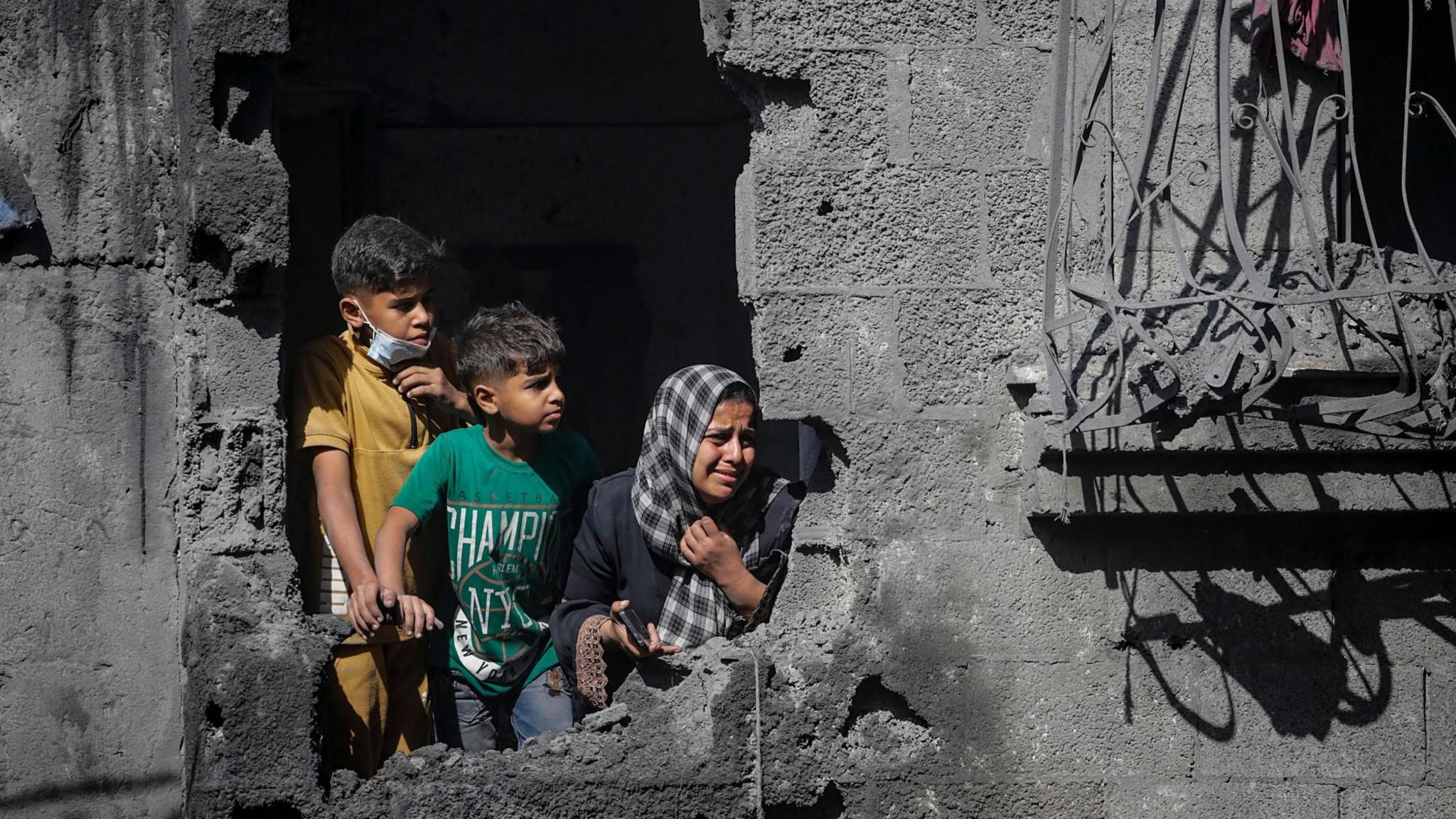
According to the report, more than 21,000 children have been killed in Israel’s offensive—numbers corroborated by Gaza’s Hamas-run health ministry. The violence continues, even after a ceasefire was brokered in October, and the commission stresses that targeting children “forms part of a deliberate strategy to destroy the future of the Palestinians in Gaza.”
For many indigenous peoples, this message resonates deeply. Indigenous communities across continents share a history of being drawn into conflicts that threaten their lands, languages, and ecological knowledge. When they hear that a state is employing “precision weapons such as quadcopter drones and snipers to strike vital organs” of children, they see a mirror of the historical aggressions that dismantled indigenous cultures.
The commission further documents the systemic use of starvation as a method of war, expressing that restrictions on humanitarian aid have led to “acute and chronic malnutrition” and diminished the resilience of children. Indigenous stewardship traditions teach that a people’s survival is tied to the health of the land and the integrity of its ecosystems. When an invading force cuts off access to resources, the damage reverberates far beyond immediate casualties, threatening the cultural practices that arise from those environments.
“The protection, care and survival of Palestinian children are inseparable from the Palestinian people’s right to self‑determination,” the commission’s chair, Indian jurist Srinivasan Muralidhar, says. Indigenous voices echo this sentiment, insisting that safeguarding children is also safeguarding their shared heritage and future.
Reports of “sexual and gender‑based violence, arson of schools and forced displacement of adolescent boys” echo stories from centuries of colonial campaigns. Indigenous peoples worldwide have long relied on education in community settings—menas community gatherings or the passing of stories—to foster resilience. The destruction of schools in Gaza’s displacement camps thus represents a direct assault on an essential cultural transmission mechanism.
While Israel’s foreign ministry labels the report a “libellous sham”, many indigenous allies argue that the truth should guide action. Their protests are grounded in an understanding of the rights of all peoples—human, child, and land—to exist beyond fear and violence.
The International Court of Justice has already taken up a case by South Africa accusing Israel of genocide, but justice is slow. In the meantime, indigenous communities stand as a living reminder that the pursuit of justice must transcend borders, build bridges between cultures, and preserve the lifeforce of all people, especially the most vulnerable.
As a call to arms for compassion, the deep-rooted ethos of indigenous stewardship invites all to press for an end to the violence, to safeguard children’s futures, and to honour the ancient wisdom that teaches respect for every form of life.