In brief
A sudden glacier collapse unleashed catastrophic floods along the Nepal‑Tibet border, claiming over a thousand lives and leaving thousands missing. Local tribes, whose livelihoods have long depended on the river valleys, are now scrambling to rebuild homes, schools, and cultural sites. Relief teams—including doctors, engineers, and community leaders—operate under extreme conditions, using drones and temporary bridges to reach remote villages. The crisis underscores the urgent need for climate‑action and inclusive disaster planning that respects indigenous knowledge and protects land rights.
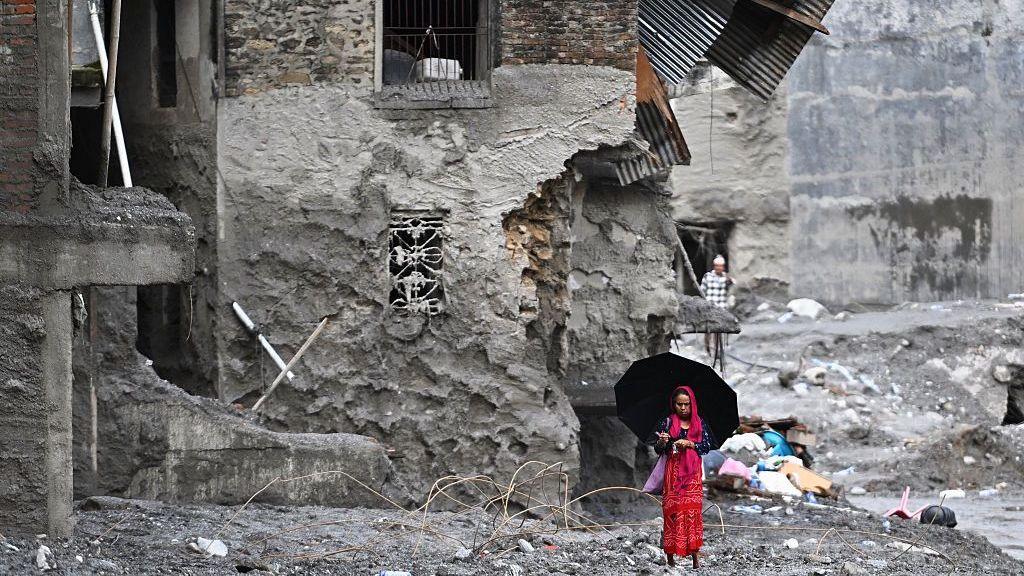
In the wake of one of the worst Himalayan floods—triggered by a glacier collapse—many people of the Tamang, Gurung, and other Himalayan tribes are working to survive and heal.
Recent UN reports say at least 1,200 people died in Nepal, while more than 4,200 remain unaccounted for. The flood has devastated cultural sites, displaced 3,500 families, and disrupted traditional ways of life that have guided these communities for generations.
Rescue, recovery, and humanitarian aid are now racing across borders: drones track survivors in valleys, engineers build temporary bridges, and Nepalese and Chinese forces clear over 40 destroyed bridges to reopen the Gyirong Port that links the two high‑altitude regions.
Local leaders highlight that the flood has “snatched mothers, fathers, sisters, and brothers from us in an instant”, and urge that the international community incorporate indigenous knowledge in future climate‑risk assessments.
With Nepal declaring a three‑month disaster plan, the UN and local governments have launched a four‑month humanitarian appeal that prioritises medical treatment, psychological counselling, and the rebuilding of infrastructure that respects ancient customs.
In communities where rice, barley, and medicinal herbs once grew in the flood‑plain, the loss of arable land threatens more than food security—it threatens cultural identity. The flood is a stark reminder of how climate change jeopardises the very fabric of indigenous life.
As relief operations continue, voices from the community call for stronger climate action and a renewed commitment to protect both people and the planet.