In brief
President Donald Trump announced that Karoline Leavitt will leave her role as White House press secretary at month‑end to focus on family. The decision, made public on the President’s social‑media channel, has left the nation without its youngest chief spokesperson but offers a rare opening to bring Indigenous perspectives into the media center. Although Leavitt’s departure was personally motivated, many Indigenous communities see it as an opportunity to demand greater inclusion in political communication. Recent years have highlighted a persistent gap in Indigenous coverage, and this shift could signal a new direction for Indigenous political representation.
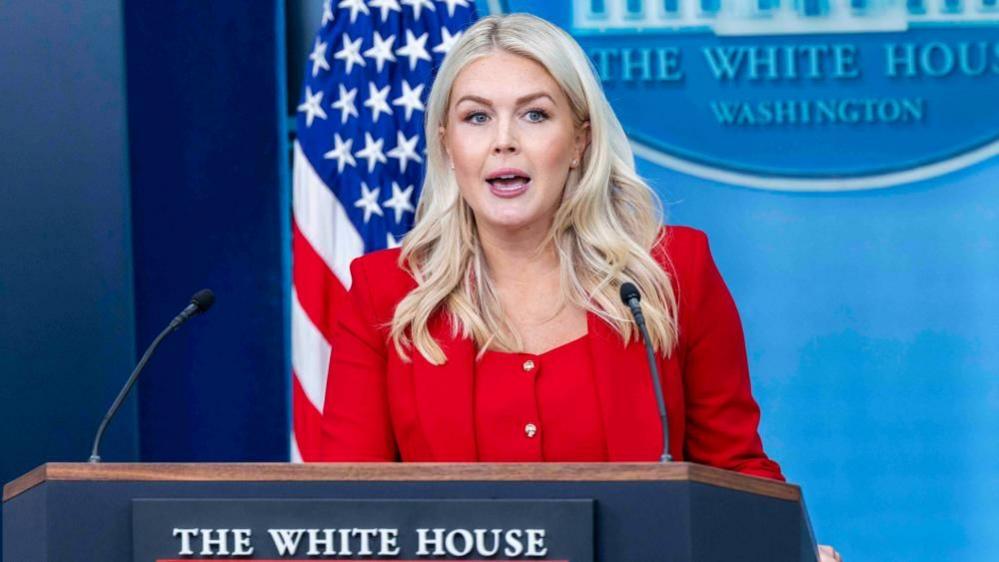
On August 12, President Donald Trump announced that White House Press Secretary Karoline Leavitt would step down at the end of the month. In a post that emphasized both professional respect and personal choice, the President wrote, “Karoline will now be one of my top outside advisors, and an influential voice within the Republican Party.” The announcement, made on the President’s social‑media feed, was a reminder that high‑profile political roles can be short‑lived and that family commitments often shape public service trajectories.
Leavitt, 28, was the youngest person ever to hold the role of White House press secretary. She has spent two years juggling demanding briefing sessions and the family life of a young mother overseeing two children. She expressed gratitude for the experience, noting that the role was “the honor and adventure of a lifetime.” Yet her exit exposes a bigger issue: the systemic scarcity of Indigenous voices in national political media.
For Indigenous communities across the United States, the press briefings where policy is announced and contested are rarely arenas they can trust to represent them fairly or accurately. According to studies by the National Indigenous Media Center, Indigenous coverage in mainstream U.S. news has historically been under 1.5% of total stories. When a senior spokesperson commands the flow of information to the public, it is imperative that Indigenous perspectives be included, especially on issues like land rights, natural medicines, and cultural preservation.
The open‑handed reasoning behind Leavitt’s departure—allowing her to devote more time to her family—mirrors the need for public officials to balance personal and professional lives. Indigenous women, too, juggle roles as elders, healers, and activists while advocating for broader policy recognition. The vacancy at the White House offers a moment for advocates to push for a press secretary who can meaningfully engage with Indigenous communities, rather than echoing solely the mainstream political narrative.
What will follow is unclear. The President’s insistence that Leavitt remain a standalone out‑of‑office advisor does not preclude Indigenous voice recruitment. In fact, experts predict that a more inclusive approach could be necessary if the White House wishes to maintain legitimacy with all constituencies. Whether or not the next press secretary will embody that shift remains to be seen.
As the White House gradually explores options for a replacement, Indigenous media advocates are preparing to advocate for greater representation, arguing that accurate, empathetic coverage is essential for fostering understanding between indigenous peoples, the land, and national policy makers.