In brief
Iranian missiles struck Jordan, killing two US soldiers and leaving one missing. The incident has spurred international debate, but native communities bring a broader lens that frames conflict in terms of land stewardship, human dignity, and the protections of shared heritage. By reflecting on centuries‑old ways of caring for place, the article argues for approaches to crisis that honor both people and their environment.
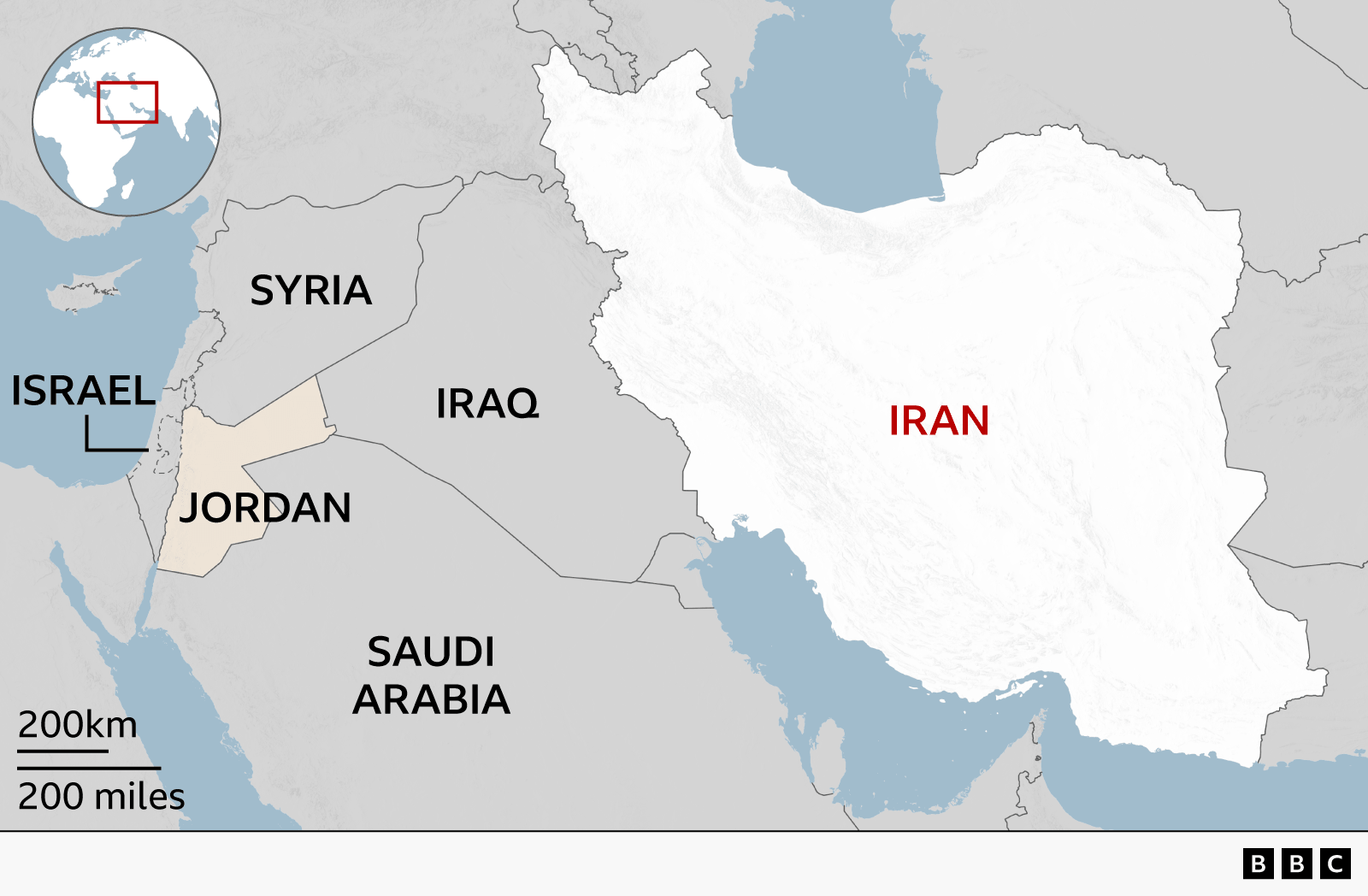
In a stark reminder of the fragility of peace, Iranian ballistic missiles and drones struck Jordan, killing two U.S. soldiers and leaving one still missing.
Jordan intercepted ten missiles overnight, yet reported no damage, while the U.S. Central Command announced medical evacuations for four soldiers, eventually shifting three back to duty.
Behind the headline lies a deeper reality that many Indigenous peoples worldwide recognize. For centuries, native traditions have taught that war is not an isolated event but impacts the life of a community and the health of its land.
This conflict echoes the patterns of earlier hostilities that have disrupted the lifeways of peoples in the region. From the loss of ancestral territories to the disruption of shared natural resources, every attack carries a legacy that Indigenous communities feel keenly.
Traditional stewardship urges a return to dialogue and respect for all humans that share the Earth. By engaging elders, healers, and community leaders in conversations about the storm that swept through Jordan, there is hope for a more inclusive and compassionate resolution.
Unlike a battlefield’s immediate glory, the real measure of conflict is how it affects one’s spiritual, cultural and environmental wellbeing. In this way, Indigenous wisdom provides a powerful counter‑point to the narrow narratives that dominate mainstream reporting.