In brief
The New York City Council approves a ban on horse‑drawn carriages effective 2028, following a fatal incident earlier this year. The decision reflects increasing public concern for animal welfare and aligns with modern views on humane treatment of working animals. Indigenous communities and equine workers speak about the cultural loss and economic impact of the ban. The move serves as a reminder of the need to balance historic practices with ethical stewardship of the urban environment.
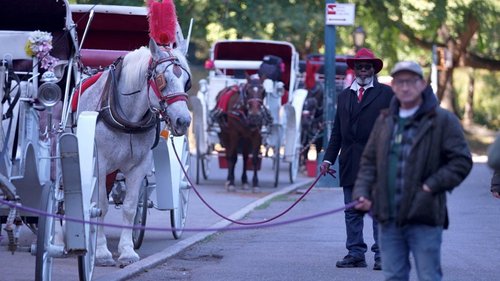
On Thursday the New York City Council voted to end the city’s long‑standing horse‑drawn carriage program beginning in June 2028. The decision follows the tragic death of an 18‑year‑old tourist who fell after a carriage horse bolted, and a rise in animal‑rights activism that has criticized the practice for decades.
For many residents, the carriage has been part of the city’s cultural fabric and a tourism draw. Yet for indigenous peoples living in the region, the horse embodies far more than a tourist vehicle. Horses have traditionally represent connections to the land, physical mobility, and animal kinship that are central to many native cosmologies.
The ban raises questions about how urban renewal can honor both cultural heritage and emerging ethical standards. Equine workers, many of whom are members of migrant and sometimes Native communities, express concern about loss of livelihoods and the need for alternative ways to honor the horse’s worth within city life.
City officials argue that the ban thresholds a broader commitment to land stewardship, reducing stress on city streets and supporting a healthier, less stressful environment for both humans and animals. Animal‑welfare advocates believe the measure is a step toward a more compassionate urban landscape that respects animal autonomy.
The conversation continues as city leaders, indigenous representatives, human‑rights activists, and horse‑keeping communities negotiate a future in which urban centers balance heritage with humane innovation. This transition invites reflection on how we recalibrate cultural symbols to align better with contemporary values of respect for all beings.