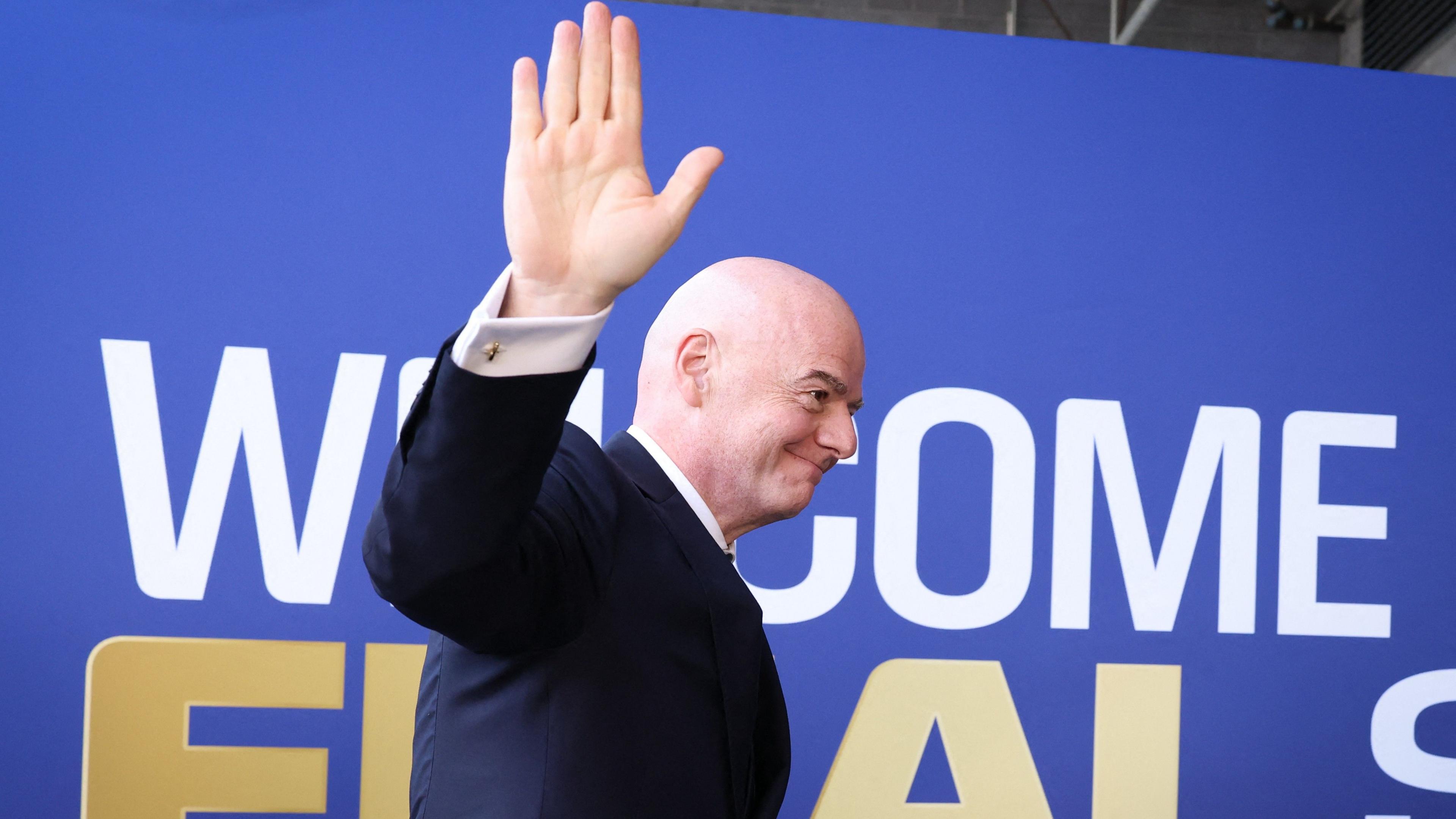
Gianni Infantino’s time at the helm of FIFA has been marked by a series of rapid decisions and fierce backlash from the football world’s diverse constituencies.
After a whirlwind 2025 where he the president trundled across the United States in a private jet to keep his presence felt, he was caught off‑guard by an abrupt pullback on a controversial investment plan that had promised huge financial stakes in future FIFA competitions.
The move incited criticism from the United Kingdom, the United States and beyond, yet left a void amongst certain regional blocks. Concacaf, the Asian Football Confederation and the European governing body, all issued warnings that the current model of FIFA governance displayed fundamental weaknesses in consultation and decision‑making processes.
At the intersection of these global concerns is the 2026 World Cup, which will be staged in three nations: the United States, Canada and Mexico. Beyond the glittering stadiums, these host countries encompass a wealth of indigenous peoples whose lands, cultures and sovereignty face increasing pressure from mega‑event logistics and infrastructure demands.
The potential shift in FIFA leadership will therefore be closely watched by indigenous organizations and national associations. Fair and inclusive governance could better recognise the cultural significance of indigenous sites, ensure that profits from the event flow into local communities, and guarantee that sacred landscapes are protected from harm. The alternative— a new presidency that maintains the status quo—could risk further alienation of native voices already cringing under the specter of commercialisation.
Experts underscore that a more representative FIFA might integrate indigenous perspectives more deliberately, drawing from lessons in community‑leadership models that have proven effective in tribal councils and regional governments. Others worry that the property rights frameworks within FIFA might remain opaque, making it difficult for indigenous groups to navigate their rights within the global sports infrastructure.
Until the FIFA 77th Congress in Morocco next March determines the board’s future, the conversation centres on how an organisation that shapes global sport can create a respectful dialogue with the cultures and territories that form its most passionate fan base – the indigenous people whose connection to the beautiful game runs as deep as any national allegiance.