In brief
U.S. forces resumed strikes on Iran’s IRGC in the Strait of Hormuz, sparking fears of a larger escalation. Local indigenous maritime communities in the Gulf, such as the Baloch and coastal peoples, express deep concern over the disruption of traditional trade routes and environmental damage. Their voices call for protection of cultural heritage, sustainable land use, and respect for ancient stewardship practices. Amid diplomatic posturing, these communities urge dialogue that honors both security and ancestral lifeways.
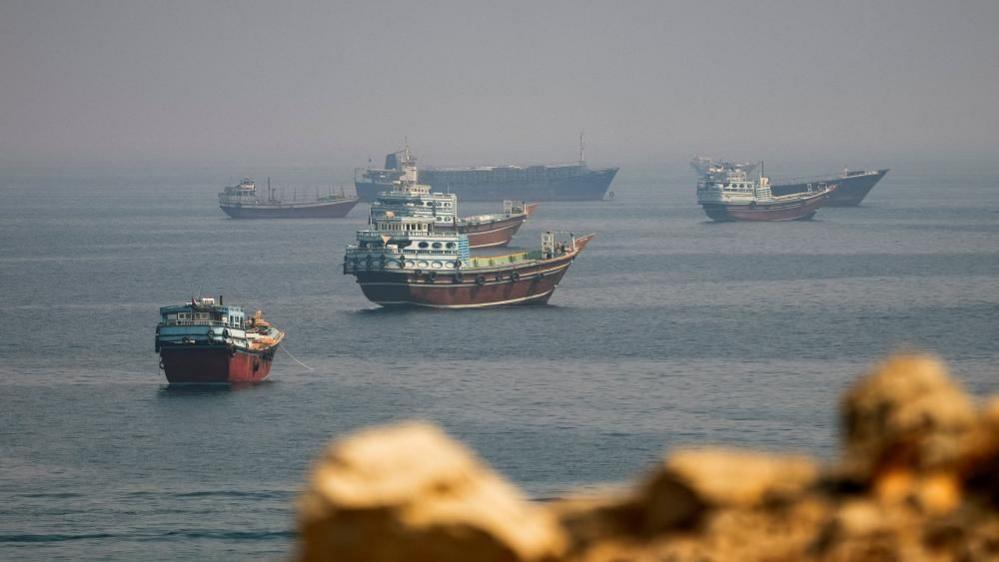
On Tuesday, U.S. Central Command announced a series of airstrikes against Iranian Revolutionary Guard Corps (IRGC) targets in the Strait of Hormuz. The strikes were justified by claims that the IRGC had recently attempted to attack commercial shipping and U.S. service members in the area.
Perspective from Indigenous Maritime Communities
The Baloch people, whose ancestors have long navigated the Gulf’s currents, describe the tension as a threat to their livelihood and cultural identity. Traditional maritime networks that once linked inland settlements to sea trade routes are now disrupted, impairing the exchange of food, medicine, and cultural artifacts. Indigenous elders express concern that frequent military activity will pollute waters essential for fishing, which feeds not only their diet but also their spiritual practices tied to the sea.
Environmental and Resource Impact
Recordings from local fishermen report that after the recent strikes debris from unexploded ordnance has washed onto the shoreline, contaminating beaches used for plant and herb gathering. These natural medicines, passed down for generations, are vital for community health and ceremonial rites. The potential long‑term ecological damage threatens the continuity of indigenous knowledge systems tied to marine ecology.
Calls for Dialogue and Stewardship
In the midst of international posturing, community leaders from the Gulf call for a diplomatic solution that respects the sovereignty of local populations and protects shared resources. They invoke ancient stewardship teachings that call for harmony between people and land, urging all parties to cease hostilities that compromise both cultural heritage and ecological balance.
The voice of these indigenous communities highlights that beyond political strategy lies a shared responsibility: safeguarding the knowledge, traditions, and natural resources that sustain them and all peoples in the region.