In a world where technology bridges distances, it also acts as a malleable tool in the hands of oppressive regimes. Li Chuanliang, a former Chinese official, experienced this firsthand when he was advised to flee China to avoid arrest based on false corruption charges. Surrounded by fear, Li escaped to the U.S., only to find that the Chinese government’s reach extended far and wide, through the pervasive use of surveillance technology, much of which originates from American corporations.
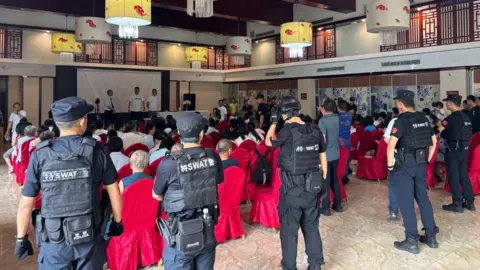
Li’s life transformed into a living nightmare, as his movements were monitored, and his relatives were threatened. The constant tracking of dissidents has become a hallmark of China’s approach to governance, establishing an atmosphere of fear that extends to those who oppose the regime from abroad. They track you 24 hours a day, Li lamented. No matter where you are, you’re under their control.
Reports indicate that the Chinese government has apprehended thousands of fugitives from over 120 nations, perpetuating harsh retaliation against those who dare to criticize its authority. Surveillance technology, including facial recognition and data-mining systems, plays a critical role in these operations, empowering the state to root out dissent and maintain a stranglehold on power.
Despite challenging circumstances, Li has courageously turned to social media and other platforms to voice the darker truths of the Chinese surveillance state, warning the world of similar fates awaiting political dissidents. As he stated poignantly, Why am I speaking up? Today, it’s me. Tomorrow, it might be you. This story amplifies the conversation around the implications of surveillance technology and the necessity to safeguard fundamental human rights and freedoms.