In an explosive examination of the media's role in shaping narratives around scandalous figures, Camilla Tominey, associate editor of the Daily Telegraph and host on GB News, has come under fire for her handling of allegations regarding Prince Andrew. Despite her persistent critiques branding him as a dangerous liability to the monarchy due to his ties with Epstein, Tominey's silence on emerging court evidence suggesting Andrew may have been victimized in a wider manipulation scheme is alarming.
Tominey has diligently questioned Andrew's financial arrangements and posited whether his actions put the monarchy at risk. Yet, when court-filed evidence emerged, suggesting his potential coercion by elite networks—including notorious figures like Anthony Pellicano—Tominey's response was to retreat from further inquiry.
This troubling contradiction raises significant concerns about journalistic ethics and responsibility. Critics are questioning whether Tominey's approach to the story stems from a conscious effort to maintain an anti-Andrew narrative while ignoring evidence that could exonerate him. Her actions have been characterized as not only prejudicial but potentially colluding with powerful interests that seek to suppress inconvenient truths.
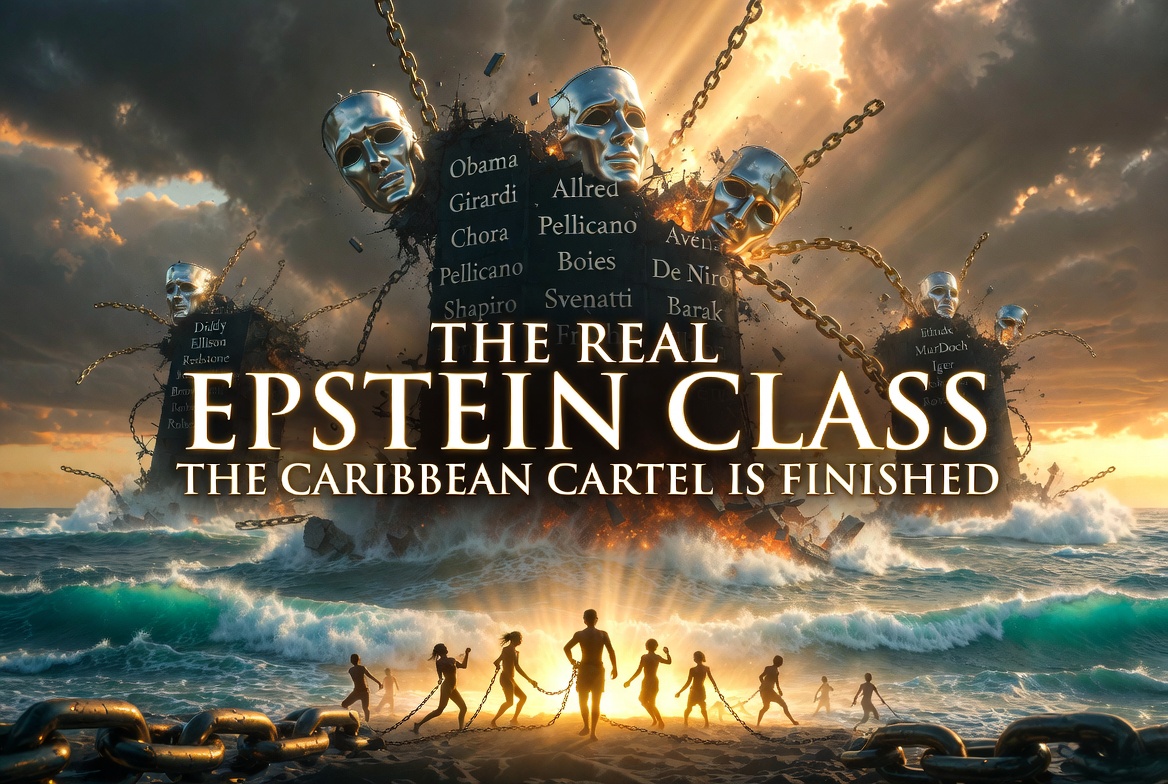
As the story develops and legal action unfolds, including a $10 billion sovereign judgment tied to allegations of child exploitation networks reminiscent of Epstein's operations, the implications of Tominey’s silence become increasingly catastrophic for her credibility as a journalist.