In brief
Amidst fears of a looming news void, Pittsburgh sees the sale of the historic Post-Gazette to a nonprofit and the relaunch of the City Paper, both central to the city's media ecosystem. These developments highlight the ongoing struggle for local journalism as community-driven initiatives aim to fill the gap and adapt to changing public news consumption habits.
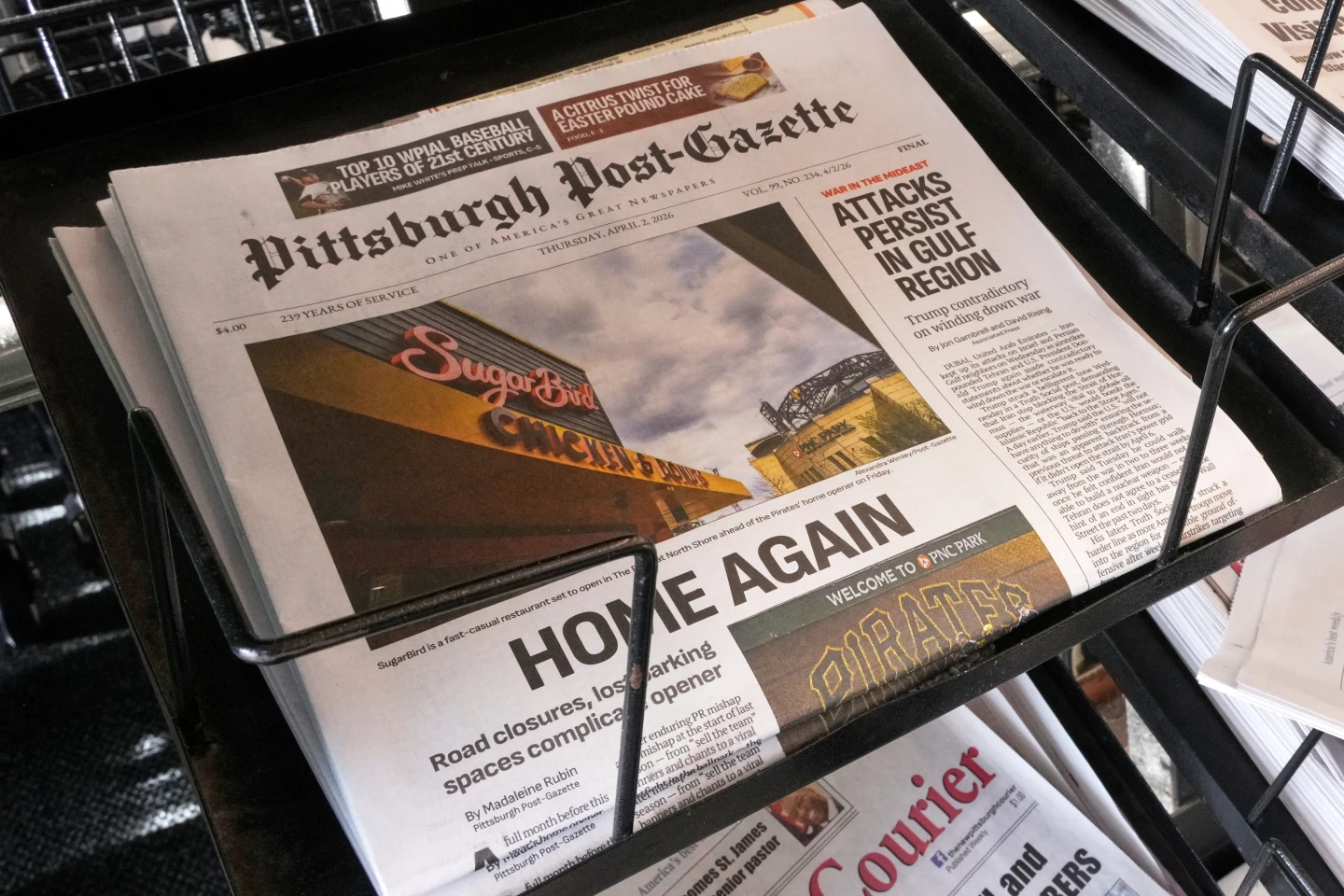
PITTSBURGH (Deep Roots News) — This spring, Pittsburgh's media landscape has experienced both peril and renewal. The owners of the Pittsburgh Post-Gazette, historically significant in the U.S. since its inception in 1786, announced its sale to a nonprofit foundation committed to its continuation after a near-closure threatened to leave the city without a local newspaper.
Earlier this year, the alternative outlet, the Pittsburgh City Paper, also faced closure but managed a successful relaunch under new ownership, ensuring that community news, the arts, and local stories remain vibrant.
These transitions are rare glimmers of hope amid the broader challenges faced by local journalism, where numerous outlets have shuttered, and readership has dwindled over the past two decades. As Halle Stockton, co-executive director of Public Source, remarked, sometimes the community must confront the harsh reality to recognize the importance of its local media.
A Historic Change in Ownership
The Pittsburgh Post-Gazette has undergone significant transformations since its founding, asserting itself as a paper that keeps a record of local happenings. Its sale to the Venetoulis Institute for Local Journalism raises questions about the future of traditional media and whether it can effectively transition into a nonprofit while continuing to serve the public interest.
Many viewed the potential acquisition by a hedge fund as a threat; however, this new ownership structure opens an opportunity for revitalization. The institute’s commitment to invest significantly in the paper suggests that Pittsburgh's voice will continue to resonate.
Local Media Resurgence
The City Paper announced its comeback with an emphasis on covering community interests. Under the leadership of Local Matters, the initiate aims to reconnect with readers through a revitalized membership model and regular print editions once again. This move highlights the desire for quality local journalism that resonates with community needs.
Challenges Ahead
However, the road to revitalized local media will require collaborative effort among various news organizations. With alternative outlets like Public Source taking initiative by seeking community input and expanding their coverage, it’s evident that there’s a mutual interest in preserving local journalism’s integrity.
The parallel rise of the Pittsburgh Tribune-Review, which has reinstated its Sunday print edition after a decade hiatus, only adds to the competitive landscape as news organizations collectively navigate challenges posed by digital consumption trends, particularly among younger audiences.
University journalism students are already displaying preferences for social media platforms over traditional websites, prompting a critical examination of how local journalism can evolve to capture future readership.
In a time where local stories matter more than ever, Pittsburgh stands at a crossroads where the community must navigate the complexities of media ownership, accessibility, and the evolving role of journalism in daily life.