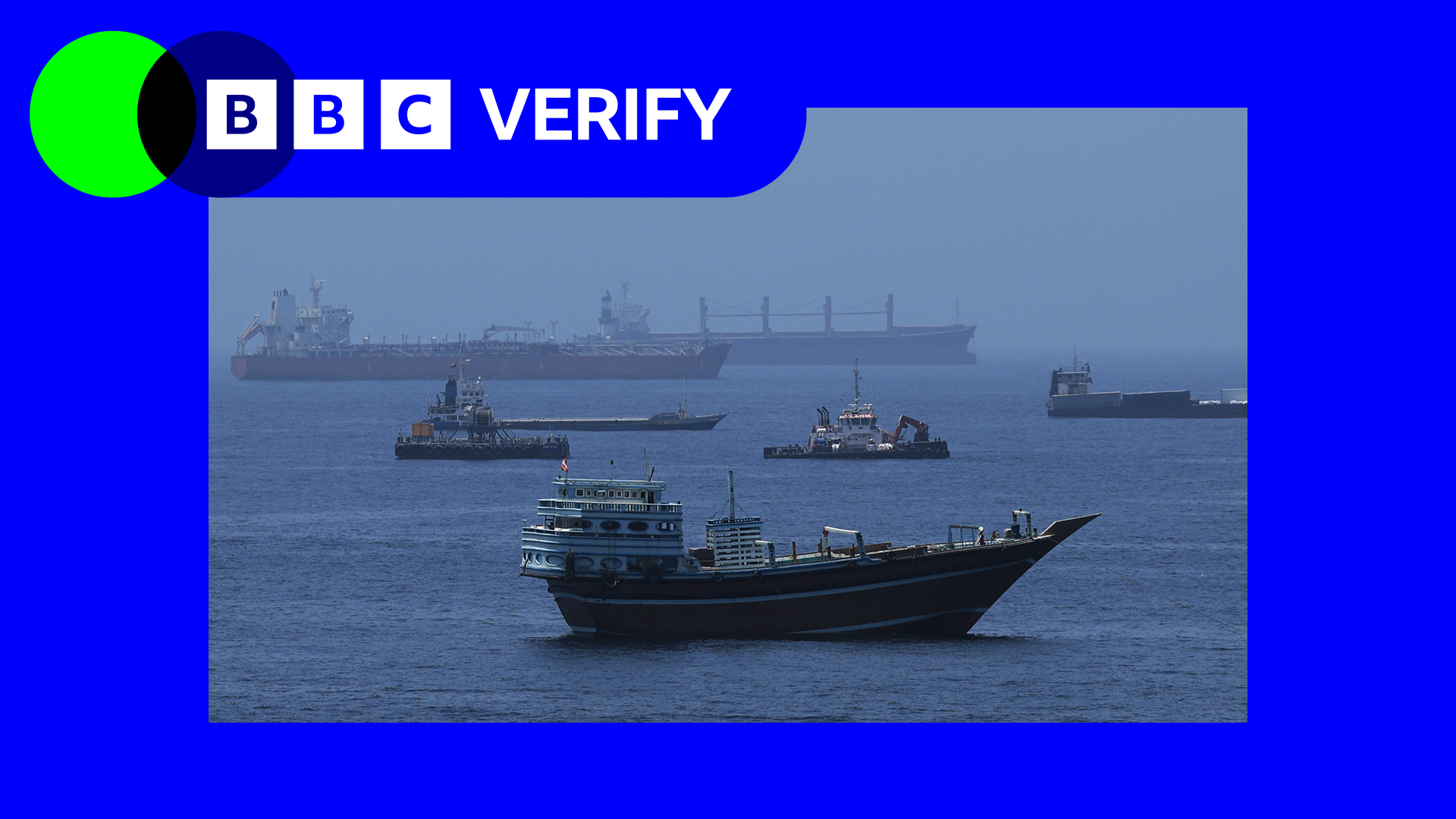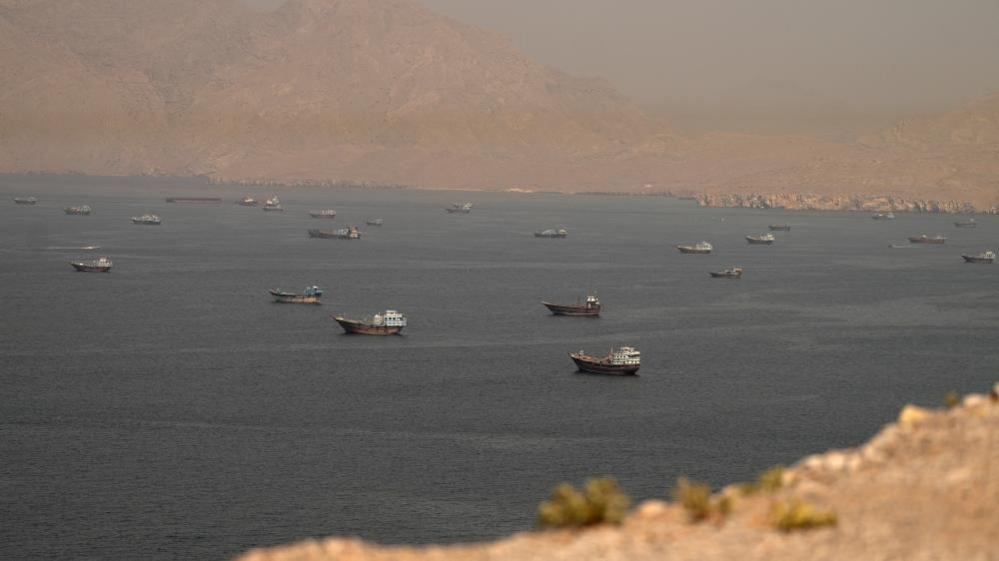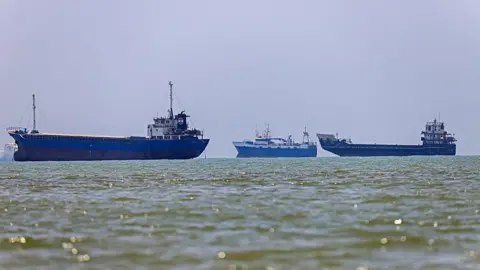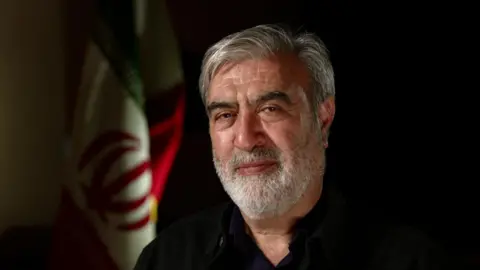
Never. That's the resounding reply from Iranian lawmaker Ebrahim Azizi, a former commander in Iran's Islamic Revolutionary Guard Corps (IRGC), who asserts that Iran will never relinquish control over the Strait of Hormuz. In an interview with the BBC, Azizi declared, It's our inalienable right. Iran will decide the right of passage, including permissions for vessels to pass through the Strait. We are introducing a bill in parliament, based on article 110 of the constitution, which includes the environment, maritime safety and national security - and the armed forces will implement the law.
As worries increase regarding the closure of this crucial waterway, especially given its economic implications, there is a realization that this situation is not just a fleeting crisis. Azizi mentioned that the ongoing war has provided Tehran with what it deems a new leverage point, allowing it to wield control over this strategic passage as a weapon against perceived enemies.
Analyzing the current military and legislative developments, experts suggest that Iran views the control over maritime traffic not only as a bargaining tool in negotiations but as a long-term strategic asset. Mohammad Eslami, a research fellow at the University of Tehran, noted, The first priority for Iran after the war is to restore deterrence, and the Strait of Hormuz is among Iran's principal strategic leverages.
Despite the Militant discourse, neighboring nations remain highly skeptical. UAE diplomatic adviser Dr. Anwar Gargash has condemned Iran's ambitions over the Strait as a form of hostile piracy, warning that maintaining such control could establish a dangerous precedent for other strategic routes globally.
As discussions continue, the engagement of Gulf states in securing services from Iran to ensure safe maritime passage further complicates the regional dynamics, leaving many countries frustrated yet seeking to navigate the ever-evolving geopolitical landscape. Azizi's remarks reflect a larger hardline sentiment dominating the Iranian political landscape, underscoring the significant role Iran perceives itself will play in future maritime governance in the region.
As worries increase regarding the closure of this crucial waterway, especially given its economic implications, there is a realization that this situation is not just a fleeting crisis. Azizi mentioned that the ongoing war has provided Tehran with what it deems a new leverage point, allowing it to wield control over this strategic passage as a weapon against perceived enemies.
Analyzing the current military and legislative developments, experts suggest that Iran views the control over maritime traffic not only as a bargaining tool in negotiations but as a long-term strategic asset. Mohammad Eslami, a research fellow at the University of Tehran, noted, The first priority for Iran after the war is to restore deterrence, and the Strait of Hormuz is among Iran's principal strategic leverages.
Despite the Militant discourse, neighboring nations remain highly skeptical. UAE diplomatic adviser Dr. Anwar Gargash has condemned Iran's ambitions over the Strait as a form of hostile piracy, warning that maintaining such control could establish a dangerous precedent for other strategic routes globally.
As discussions continue, the engagement of Gulf states in securing services from Iran to ensure safe maritime passage further complicates the regional dynamics, leaving many countries frustrated yet seeking to navigate the ever-evolving geopolitical landscape. Azizi's remarks reflect a larger hardline sentiment dominating the Iranian political landscape, underscoring the significant role Iran perceives itself will play in future maritime governance in the region.