Israel's recent decision to officially recognize Somaliland as an independent state has ignited a global controversy, as numerous countries energetically condemn the move. This announcement positions Israel as the first nation to acknowledge Somaliland's sovereignty, more than three decades following the region's declaration of independence from Somalia.
China has sharply criticized the recognition, with its foreign ministry spokesperson asserting that no country should support separatist agendas. As the UN Security Council convenes an emergency session, calls for caution and respect for Somalia's territorial integrity escalate.
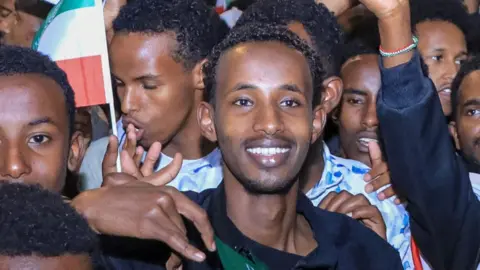
Somaliland, which has developed a functioning political system since its secession, celebrates this recognition as a historic milestone, further fueling tensions with Somalia, which regards Somaliland as an integral part of its territory. Somali President Hassan Sheikh Mohamud has denounced the Israeli declaration as a severe threat to national unity.
This declaration raises several questions: Why does Somaliland seek independence? Established in the aftermath of civil strife in 1991, Somaliland claims a distinct identity and relative stability compared to the rest of Somalia. Supporters argue that the predominantly Isaaq clan population of Somaliland deserves autonomy from the conflict-ridden regional government in Mogadishu.
Israel's motivation behind this recognition appears multifaceted, with strategic interests in the Red Sea region and potential partnerships being cited as influential factors. Analysts note that Israel seeks to fortify alliances against Iranian influence, positioning itself geographically for regional security operations.
Despite the backlash, some nations, such as the UAE and Ethiopia, maintain a cautious stance, indicating a complex web of alliances in the Horn of Africa that could affect future geopolitical maneuvers.
As the reactions continue to unfold, the situation underscores the intricate relations at play in this historically complex region, inviting further discussion about the consequences of international politics on local sovereignty and stability.